
← Back
08/08/2005 • 4 views

Massive Manhunt Follows London Bombings
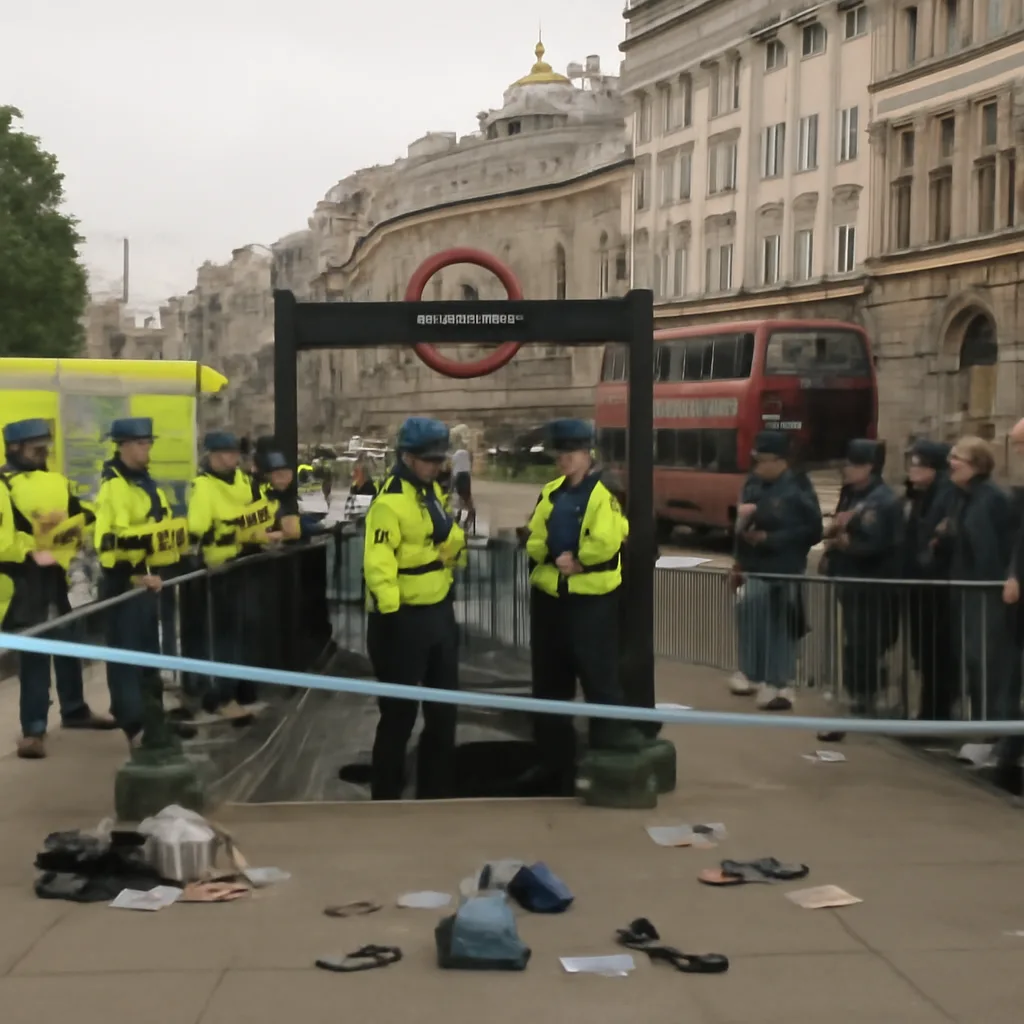
Emergency services and police cordons around a central London Underground station entrance with commuters kept back and an ambulance nearby after explosions.

On 8 August 2005, London police launched a large-scale manhunt and heightened security after explosions struck the city's public transport network, prompting nationwide investigations and emergency responses.


On 8 August 2005, London police initiated an extensive manhunt and security operation after explosions occurred on the city's transport network. The incidents took place during the morning rush, causing multiple casualties and severe disruption across Tube lines and a double-decker bus. Emergency services—police, ambulance, and fire brigades—responded immediately, treating the injured, evacuating stations, and securing scenes while transport authorities suspended services on affected routes.

Police established cordons and urged the public to avoid central London while investigators began gathering forensic evidence, reviewing CCTV footage, and interviewing witnesses. The scale of the response reflected both the number of locations affected and the need to determine whether the blasts were linked or the result of other criminal activity. Counterterrorism units were involved in the operation given the nature and timing of the explosions.

Authorities worked to identify victims and notify next of kin. Hospitals across the capital received casualties, and medical teams prioritized triage and trauma care. Transport operators coordinated with police to provide information to stranded commuters and to begin assessing damage to infrastructure. Communications from city officials emphasized public safety, advised on travel alternatives, and asked for calm while investigations proceeded.

The manhunt included enhanced patrols, checkpoints, and intelligence-gathering measures across the metropolitan area and at key transport hubs. Police appeals requested that anyone with relevant information—including footage from mobile phones or CCTV—come forward. The investigation involved collaboration between local police, national security agencies, and border authorities, reflecting the multifaceted response required for incidents with potential wider implications.

Media coverage was extensive, with live reporting from affected sites and frequent official briefings. Accurate information was critical to dispel rumors and prevent panic; authorities repeatedly warned against spreading unverified reports. Community groups and city services mobilized to support those directly affected, offering shelter, counselling, and practical assistance to displaced commuters and injured civilians.

In the days following, investigators released details as they were confirmed and pursued leads identified through forensic analysis and public tips. The event prompted reviews of emergency preparedness, transport security measures, and interagency coordination. Memorials and public acknowledgements were later held to honour victims and recognise the efforts of first responders.

Historical records of the event focus on the immediate humanitarian response, the investigative steps taken by police and national agencies, and the longer-term policy and security changes implemented in the aftermath. Where specifics of prosecutions, suspect identities, or judicial outcomes are reported, those are documented in contemporaneous official statements and court records rather than this summary.

Share this

Email Share on X Facebook Reddit

Did this surprise you?