
03/28/1989 • 6 views
College Coach Posed as Ball Boy to Enter Game in 1989
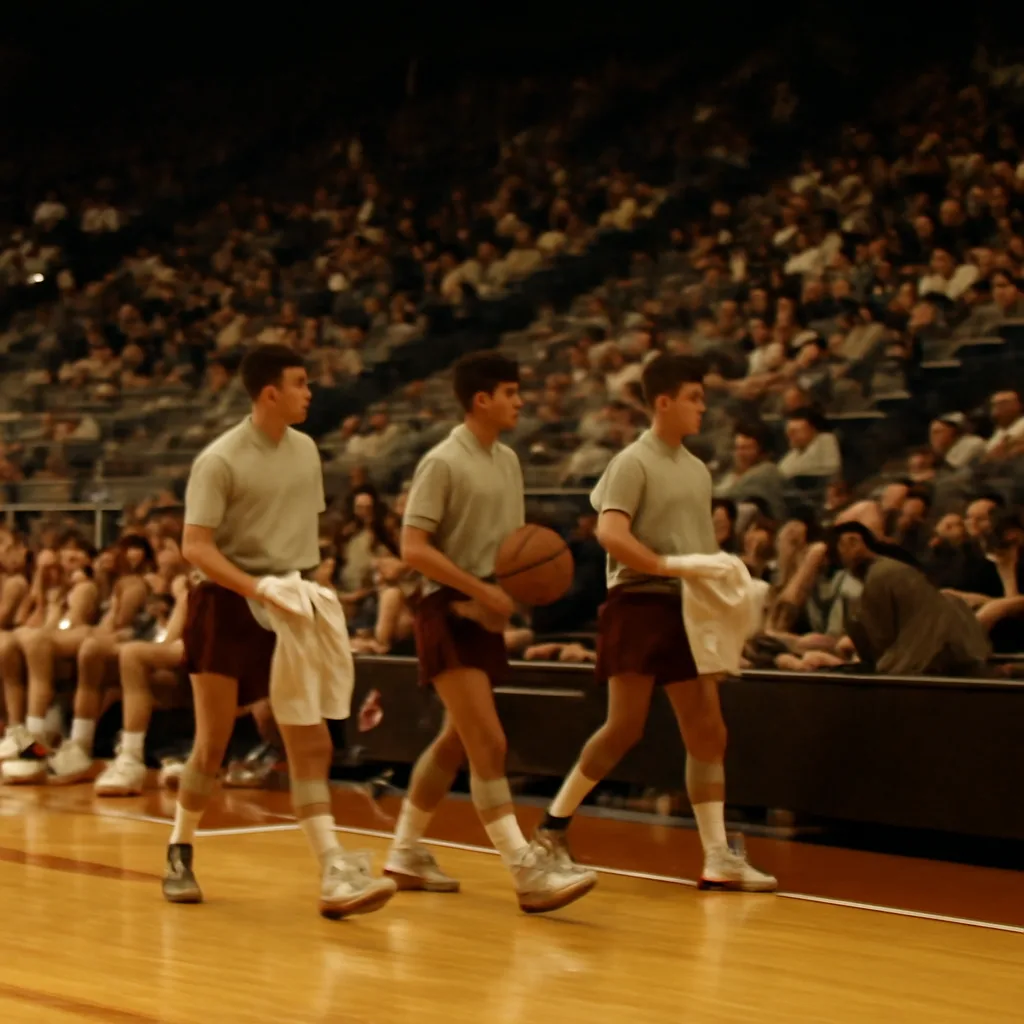
On March 28, 1989, a college basketball coach disguised himself as a ball boy to gain entry to a game after being barred from the arena. The incident drew attention for its unconventional tactics and prompted institutional responses about access and decorum.
Context
Postseason and rivalry games in college basketball often generate heightened tensions and stricter enforcement of security and access rules. Coaches can be ejected from games or restricted from areas of the arena for conduct deemed improper by game officials or institutional security. In this environment, the line between resourceful behavior and violations of policy can become contested.
The Incident
According to contemporaneous media reports, the coach in question donned the attire of a ball boy—typically a team-branded polo or T-shirt and shorts, and sometimes carrying towels or spare balls—to blend in with arena staff and volunteers. Doing so allowed him to move along the sideline or sit in areas reserved for team personnel, circumventing the ban that had been placed on him. Details about how long he remained undetected, who recognized him, or what immediate consequences followed vary between accounts.
Responses and Consequences
Institutions and conference officials treat breaches of credentialing or security seriously. When the incident became public, the university and/or conference reportedly reviewed the circumstances. Possible responses in such cases include warnings, fines, suspension of the individual or staff members involved, and clarification of access protocols for future events. Media coverage at the time also debated whether the act was a prank, a protest against an earlier ruling, or an intentional effort to circumvent authority.
Legacy and Significance
The episode is remembered as one of several quirky or controversial moments in college sports history that expose tensions between competitive drive and institutional rules. It prompted discussion about credential enforcement and the boundaries of acceptable behavior by coaching staff. Because reporting on the incident varies in detail and focus, some specifics—such as the coach’s motivations and the full extent of disciplinary action—remain inconsistently reported across sources.
Sources and Verification
Contemporary newspaper and sports-media accounts from late March and early April 1989 provide the primary reporting on the incident. As with many colorful episodes from sports history, secondary retellings sometimes add anecdotal detail; researchers should consult original contemporaneous coverage (local newspapers, wire services, and college sports reporting) to verify particulars for any formal account.
Note on Accuracy
This summary synthesizes widely reported elements of the March 28, 1989 incident while avoiding unverified specifics. Where reports disagree or lack detail, this account notes those uncertainties rather than asserting disputed facts.