
03/28/1890 • 5 views
Court Upholds First Legal Use of Electric Chair in 1890
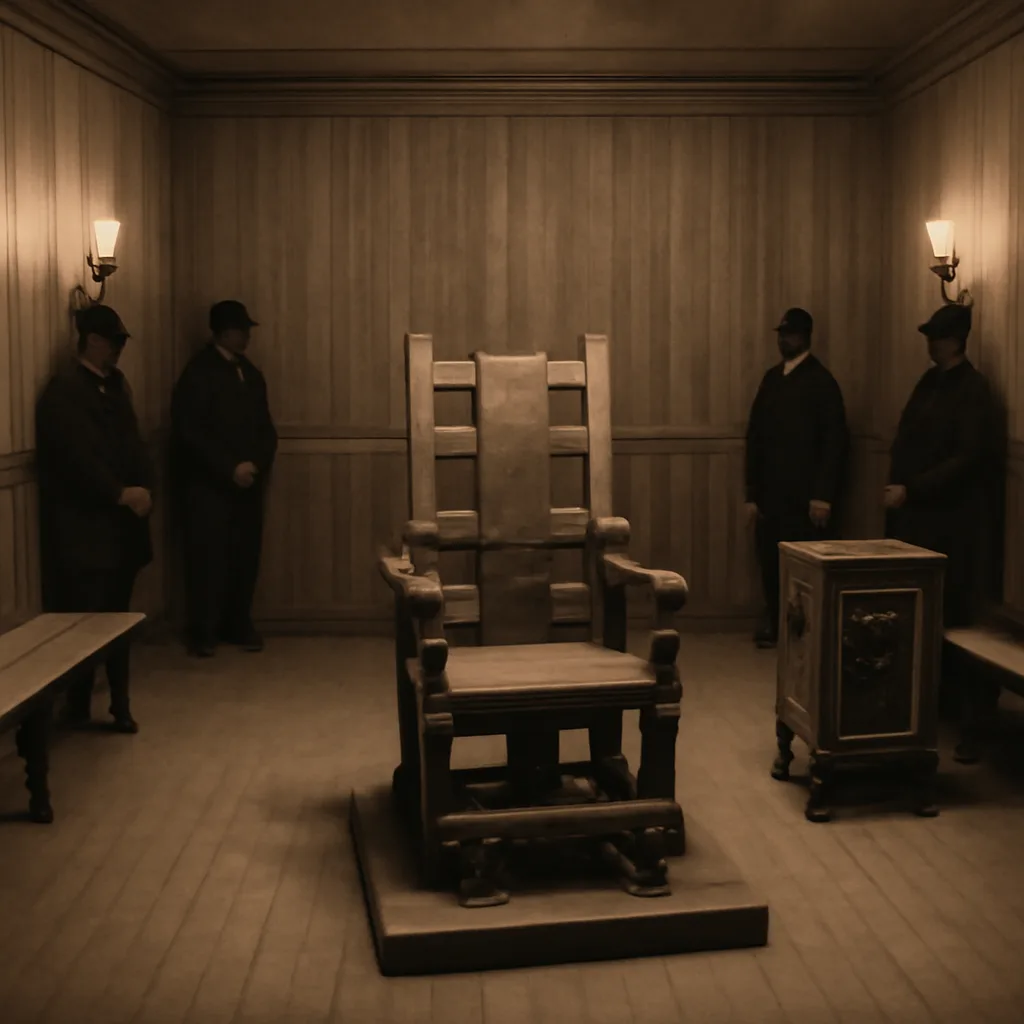
On March 28, 1890, a court ruling affirmed the legality of the United States' first execution by electric chair, resolving an early and contested legal challenge to electrocution as a method of capital punishment.
Background: In the late 1880s, New York led efforts to find a more humane alternative to hanging. Inventors, physicians and legislators debated methods; proponents of electrocution argued that instantaneous death by electrical current would be less painful and more sanitary than hanging. The state legislature authorized use of the electric chair in 1888, and the device was installed at Auburn Prison.
The first scheduled electrocution was that of William Kemmler, convicted of murder in New York. Kemmler’s execution by electrocution took place on August 6, 1890, after protracted legal fights. Although legal challenges over the constitutionality of electrocution began earlier, the March 28, 1890, decision referenced here pertains to an appellate or judicial determination that upheld the legality of using electricity as a method of execution, allowing authorities to proceed with planned executions.
Legal issues and significance: Opponents argued that electrocution could amount to cruel and unusual punishment, in violation of constitutional protections. Supporters countered that the state had a legitimate interest in carrying out lawful sentences in a manner that minimized suffering and public spectacle.
The court’s ruling on March 28 did not resolve all practical and ethical questions. The first actual application in August revealed problems: Kemmler’s initial shock did not kill him immediately, and attendants applied additional shocks, producing widely reported descriptions of a botched procedure. That outcome intensified scrutiny and spurred further debate about execution methods rather than closing it.
Legacy: The March 1890 decision paved the way for electrocution to be adopted by other states in subsequent decades. The electric chair became a prominent symbol of capital punishment in the United States through the early and mid-20th century, even as courts, medical professionals and the public continued to question its humaneness. Over time, legal standards and technologies changed; many states later abandoned the electric chair in favor of other methods.
Historical caution: Specific nomenclature and the precise judicial document tied to the March 28 date can vary in secondary accounts. Some accounts refer to intermediate rulings, stays, or denials of relief in state courts or federal habeas proceedings leading up to the August execution. Where details or attributions differ among historical sources, researchers should consult primary court records and contemporaneous newspaper reports for exact procedural history.