
← Back
01/21/1947 • 5 views

Police Name Suspect in Black Dahlia Case
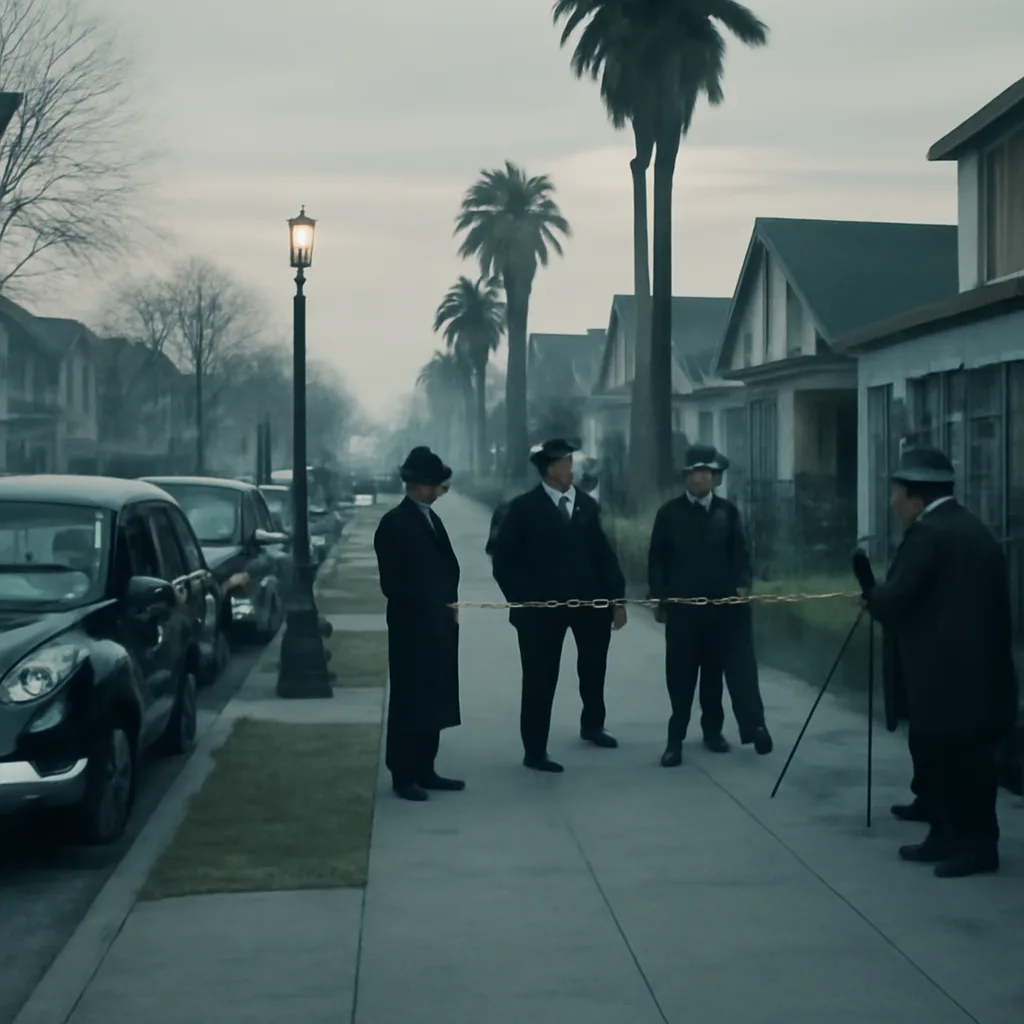
A 1940s Los Angeles street scene near Leimert Park at dawn: vintage cars parked along the curb, uniformed police officers and plainclothes detectives conversing beside a roped-off sidewalk, reporters with notepads; no identifiable faces.

On January 21, 1947, Los Angeles police publicly identified a man they had focused on in the investigation into Elizabeth Short's killing—known in the press as the 'Black Dahlia'—though the case remained officially unsolved and the identification was contested.


On January 21, 1947, Los Angeles police announced they had identified a suspect in the brutal slaying of 22-year-old Elizabeth Short, whose torture and bisected body had gripped the city and national press since her discovery on January 15. The announcement came amid intense media scrutiny and a flurry of tips and false leads. Authorities said they had developed a person of interest in the days following the body's discovery, but the department did not present a final, court-tested case that led to conviction.

The Black Dahlia homicide quickly became one of the most notorious unsolved murders in U.S. history. Short's body was found in Leimert Park, Los Angeles, posed and severed at the waist, injuries that prompted wide public horror and sensational coverage. Police work at the time involved sifting through numerous leads, interviewing witnesses, and examining physical evidence under the technological limits of the era—long before DNA testing and modern forensic tools.

When officials named a suspect on January 21, they did so against a backdrop of conflicting information and evolving investigative theories. Over the months and years that followed, the Los Angeles Police Department and other investigators would consider multiple suspects, and several individuals were publicly linked to the case by journalists and amateur sleuths. No suspect named by police in 1947 was ever convicted for Short's murder, and the case officially remained unsolved.

Historical accounts emphasize both the investigative earnestness of some detectives and the pressures that distorted the inquiry: an overwhelmed department, intense media appetite, and the ran of hoaxes and false confessions. The publicity surrounding the case also fostered persistent myths and competing narratives—some later researchers argue certain leads were inadequately pursued, while others defend the constraints under which detectives worked.

Because of these factors, any specific naming or identification from 1947 should be understood as provisional in the context of a case that produced many suspects and few definitive legal resolutions. Subsequent investigations, books, and documentaries have revisited the evidence and the original police work, but no single post‑1947 development has produced a universally accepted, court-validated resolution to Elizabeth Short's murder.

For readers seeking primary-source detail, contemporary newspaper archives from January 1947 and official LAPD records (where accessible) document the department's public statements and the contemporaneous media reaction. Secondary historical studies compile and evaluate these materials, often noting where information from the period is inconsistent or disputed. The Black Dahlia case remains a subject of ongoing historical and forensic interest because the original investigation combined legitimate detective effort with the limitations and biases of its time, leaving an unresolved crime that continues to attract study and debate.

Share this

Email Share on X Facebook Reddit

Did this surprise you?