
02/14/1945 • 4 views
Manhattan Project Finalizes Bomb Design on February 14, 1945
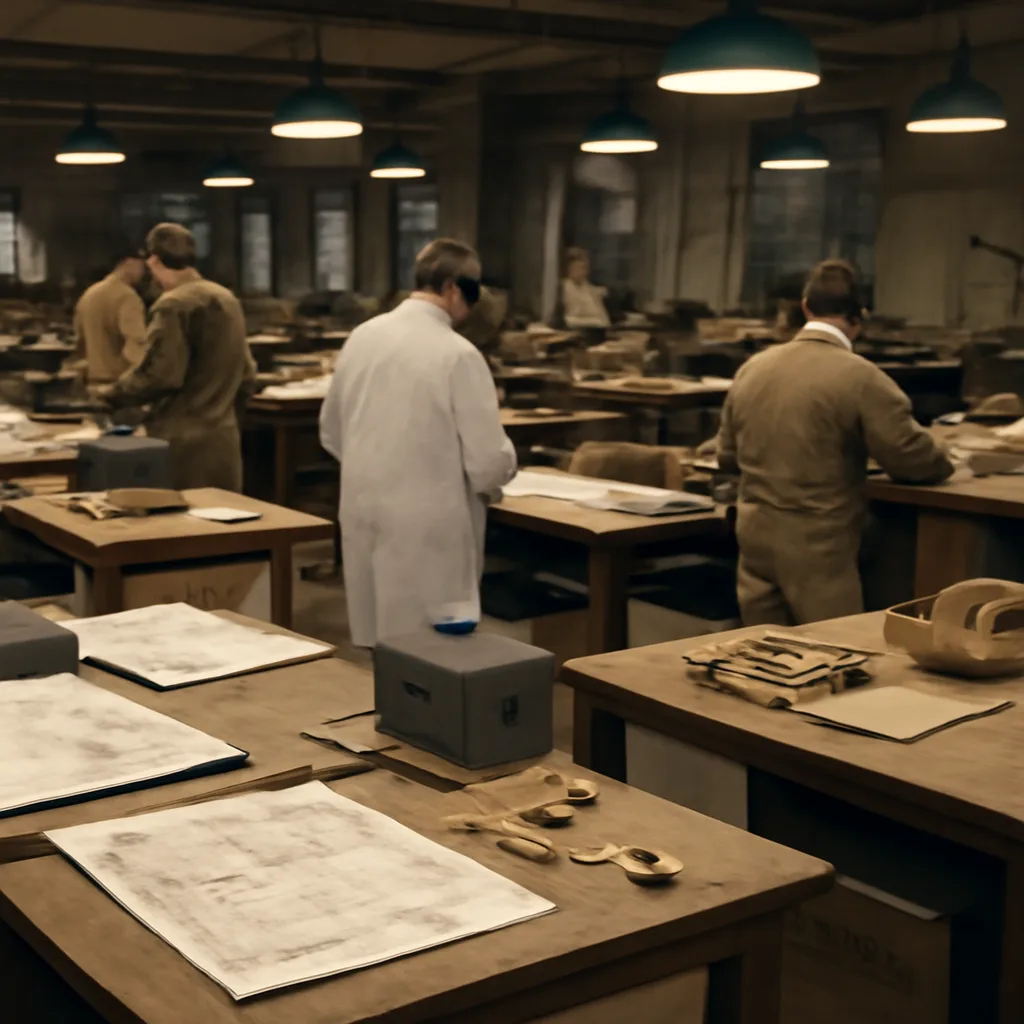
On February 14, 1945, scientists and military leaders in the Manhattan Project completed the final technical design for the first plutonium implosion-type atomic bomb, moving the weapon from experimental tests toward operational use.
Early wartime efforts had identified two pathways to a practical fission weapon: a uranium-235 gun-type design and a plutonium-based implosion design. The gun-type weapon, simpler in concept, was unsuitable for reactor-produced plutonium because reactor plutonium contained a higher proportion of plutonium-240, which tends to cause pre-detonation if assembled slowly. To use plutonium, scientists developed the more complex implosion method, which required compressing a subcritical plutonium core symmetrically using explosive lenses so it would reach supercriticality almost instantaneously.
Throughout 1944 and into early 1945, the implosion concept underwent iterative refinement at sites including Los Alamos (New Mexico), Oak Ridge (Tennessee) and Hanford (Washington). Experimental programs addressed the production and metallurgy of plutonium, the design and manufacturing of shaped explosive lenses, precise timing and triggering systems, and the tamper/reflector and initiator technologies needed for reliable detonation. Radiography, hydrodynamic tests, and non-nuclear test assemblies were used to validate components and timing sequences.
By February 14, 1945, detailed engineering drawings, test results and assembly procedures for the plutonium implosion device were sufficiently consolidated that project leadership accepted the design as the prototype for deployment. This finalized blueprint reflected the culmination of scientific advances (in nuclear physics and high-explosive engineering) and large-scale industrial coordination. It enabled immediate steps toward mass-producing parts, assembling full-scale devices, and planning the operational use and delivery of the weapon.
Following this decision, Los Alamos shifted from experimental prototypes to preparing production-ready units. The finalized design would be tested full-scale at the Trinity test site in July 1945, where a version of the implosion device was detonated to verify performance. Parallel work on the uranium gun-type design continued and produced another weapon used later in 1945.
The February design milestone carried profound strategic and moral implications. For military planners it meant an imminent, deliverable source of unparalleled destructive power; for scientists and technicians it meant their laboratory solutions were transitioning into operational weapons; for policymakers it accelerated decisions about targeting, readiness, and eventual use. Historians note that while the technical blueprint was finalized on this date, further modifications and refinements continued as production and testing proceeded.
Primary documentary traces for this period include Los Alamos technical reports, correspondence among Manhattan Project leaders, and later declassified reports and histories produced by the U.S. government. Secondary historical scholarship has analyzed the technical choices, organizational dynamics, and ethical debates surrounding the project's shift from research to deployment.
This milestone was one step in a swift sequence of events in 1945: the Trinity test in July confirmed the implosion design's effectiveness; in August two atomic bombs were used against Japan—one using the uranium gun-type method and one based on the implosion-plutonium design. The February 14 finalization therefore represents a technical hinge from experimental research to operational weaponization within the broader, contested history of the Manhattan Project and World War II.