First Confirmed Case of Bovine Spongiform Encephalopathy Identified
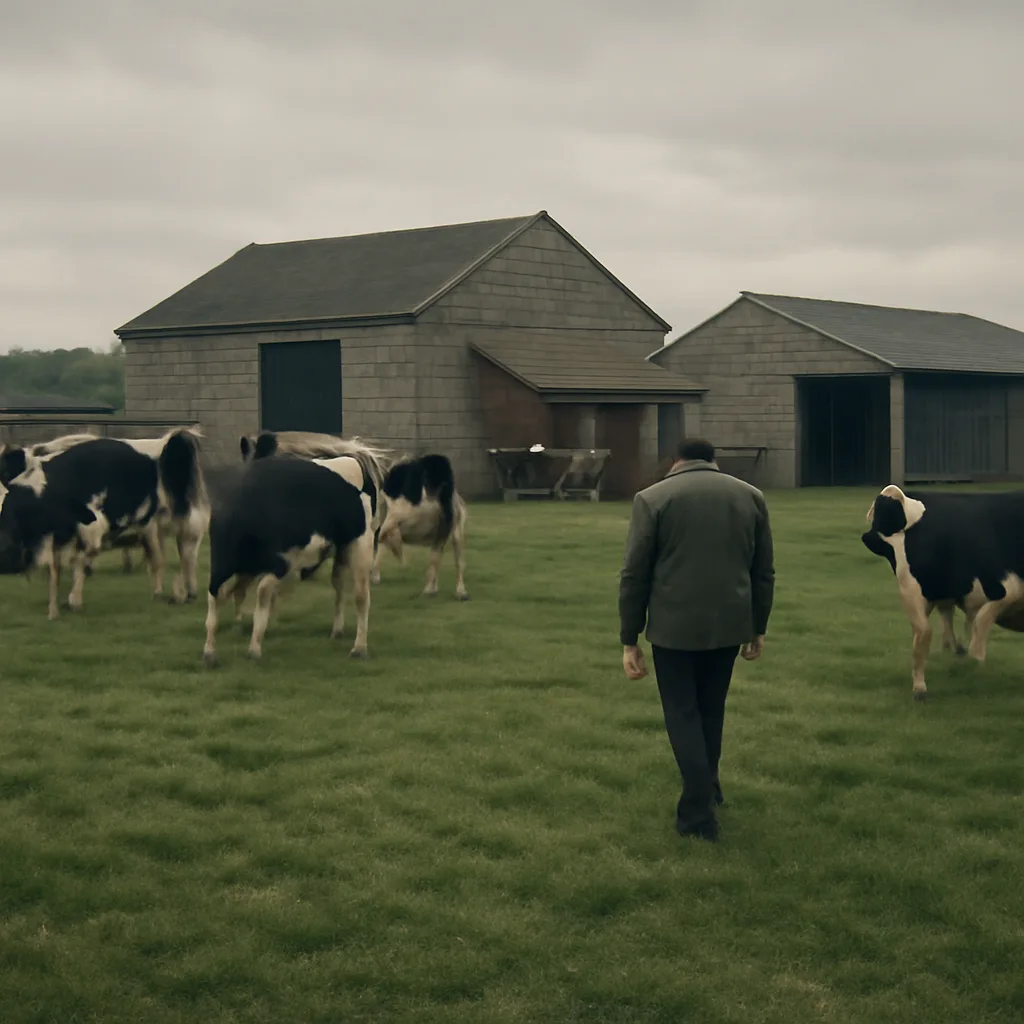
On February 14, 1985, British veterinary authorities identified a case of bovine spongiform encephalopathy (BSE), later known as mad cow disease, marking the first confirmed diagnosis that led to investigations into a novel neurodegenerative cattle disease linked to feed practices.
In mid-February 1985, British veterinary pathologists confirmed the first diagnosed case of bovine spongiform encephalopathy (BSE) in a cow. The animal, a dairy cow showing progressive neurological signs, was submitted for postmortem examination; histopathological analysis revealed characteristic sponge-like lesions in the brain consistent with a transmissible spongiform encephalopathy. This finding prompted further surveillance and investigation by veterinary authorities in the United Kingdom.
BSE was initially recognized as a distinct disease in cattle in the early 1980s when veterinarians reported an unusual cluster of progressive neurological illnesses in adult dairy cattle. Affected animals exhibited behavioral changes, ataxia (incoordination), tremors, and difficulty rising. Routine diagnostic workup at the Central Veterinary Laboratory and other pathology services led to the identification of microscopic vacuolation in neurons and other neuropathological changes that distinguished this syndrome from other known bovine diseases.
Following the confirmation in February 1985, UK agricultural and veterinary agencies undertook retrospective case reviews and expanded surveillance to determine the scope and cause. Early epidemiological work linked cases to cattle fed meat-and-bone meal (MBM), a protein supplement derived from rendered animal carcasses. Over subsequent years, evidence accumulated that the practice of including infected bovine tissue in such feed had propagated the disease among cattle. These conclusions would later form the basis for major changes in feed regulation and rendering practices.
The identification of BSE initiated a complex scientific and public-health response. Research into the agent responsible evolved over decades: the causative agent is now understood as a prion, an abnormal isoform of a normal host protein, which resists standard deactivation methods for viruses or bacteria and induces misfolding of normal proteins in the central nervous system. At the time of the 1985 confirmation, the prion hypothesis was not yet fully established, and investigators considered several possible infectious and noninfectious causes.
Public-policy actions followed as the outbreak grew. The UK introduced progressively stricter controls on animal feed, including bans on feeding ruminant-derived protein to ruminants. Carcass disposal, surveillance of cattle, and controls on the movement and slaughter of suspect animals were implemented. Despite these measures, BSE spread widely in the UK cattle population over the late 1980s and 1990s, peaking in reported cases in the early 1990s. International concern mounted when a variant form of Creutzfeldt–Jakob disease (vCJD) in humans was epidemiologically linked to consumption of BSE-contaminated beef products, a connection that emerged in the mid-1990s.
The 1985 confirmation is therefore significant as the first recognized and documented index point for what became a major animal-health crisis with human-health implications. Over time, the episode led to lasting changes in agricultural regulation, food-safety policy, and techniques for surveillance and diagnosis of transmissible spongiform encephalopathies. Scientific understanding of prion diseases advanced considerably in the wake of the outbreak, influencing both veterinary and medical research.
Uncertainties and disputes remain in some details: retrospective reconstructions of the earliest infected farms and the precise chronology of initial cases have been the subject of investigation, and the full history of how infected material entered the feed chain involves complex rendering and industry practices that were only gradually clarified. However, the February 14, 1985 confirmation stands as the documented date when veterinary authorities first declared a distinct bovine spongiform encephalopathy in Britain.