
← Back
11/21/1965 • 4 views

1965: Football crowd tears down goalposts and attacks match officials
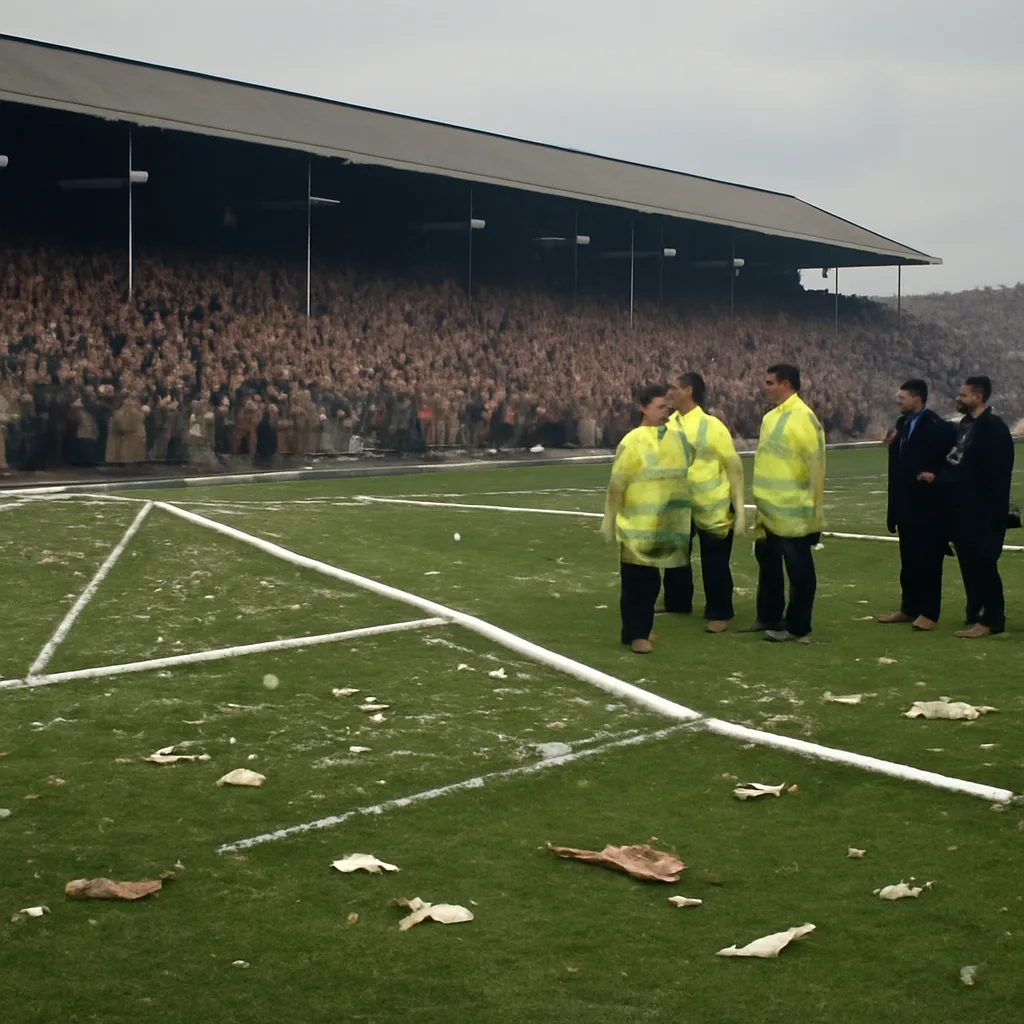
A 1960s-era football pitch after a crowd invasion: goalposts removed and lying on the turf, scattered debris around the touchline, stewards and police standing near the stands.

On 21 November 1965, a pitch invasion at a football match culminated in supporters ripping down goalposts and assaulting officials after a controversial decision, prompting police intervention and later disciplinary action.


On 21 November 1965, a disturbance at a football match escalated into a violent pitch invasion in which supporters tore down the goalposts and attacked match officials. The incident took place in the context of mid-1960s British football, an era marked by large, often poorly segregated crowds, limited crowd-control infrastructure, and growing tensions between supporters and match officials.

Sequence of events
Contemporary press reports and subsequent club records indicate that the match featured contentious refereeing decisions late in the game that inflamed home supporters. Following the final whistle or a late, disputed call (sources vary on the precise trigger), a section of the crowd surged onto the pitch. Several supporters pulled the metal goalposts from their sockets and threw or dragged them across the turf. Match officials were surrounded; some were struck or manhandled as stewards and police moved to extract them. Local constabulary intervened to restore order, escort officials from the ground, and re-seal the pitch.

Immediate consequences
The physical damage to the playing surface and equipment required repair; the club and local authorities later documented costs for replacing or repairing the goalposts and undertaking ground repairs. Several attendees were reported arrested or ejected by police at or after the scene. The refereeing body and the Football Association (FA) opened inquiries into the incident, and the club faced disciplinary review, fines, or match sanctions in accordance with the governing rules of the period.

Wider context
Football-related disorder in the 1960s was not uncommon. Stadiums frequently lacked modern turnstiles, segregated pens, or all-seater arrangements, and policing practices were evolving. Incidents like this one contributed to growing alarm among officials and observers about spectator behavior, influencing later developments in crowd control, stadium improvements, and stricter regulatory oversight by football authorities.

Uncertainties and sources
Details about the exact match, the identities of those involved, and the precise sequence leading to the pitch invasion vary between contemporary newspaper accounts and later retellings. Available records establish the date, the actions of tearing down goalposts, and the assault on officials, but some narratives differ on whether the invasion occurred immediately after a single controversial decision or developed from escalating tensions during the match. Where specific names, quotes, or unique attributions appear in some modern summaries, those claims should be verified against primary sources such as local newspapers from 22–23 November 1965, police reports, and FA disciplinary records.

Legacy
Incidents of this type contributed to a gradual recognition within football governance of the need for better stadium infrastructure, improved stewarding, and clearer protocols for protecting match officials. While not unique to this date, the 21 November 1965 disturbance is an example of mid-20th-century crowd disorder that informed later policy changes aimed at reducing pitch invasions and ensuring official safety.

Share this

Email Share on X Facebook Reddit

Did this surprise you?