
07/01/2000 • 5 views
Russian Oscar-class Submarine Sinks During 2000 Naval Exercise
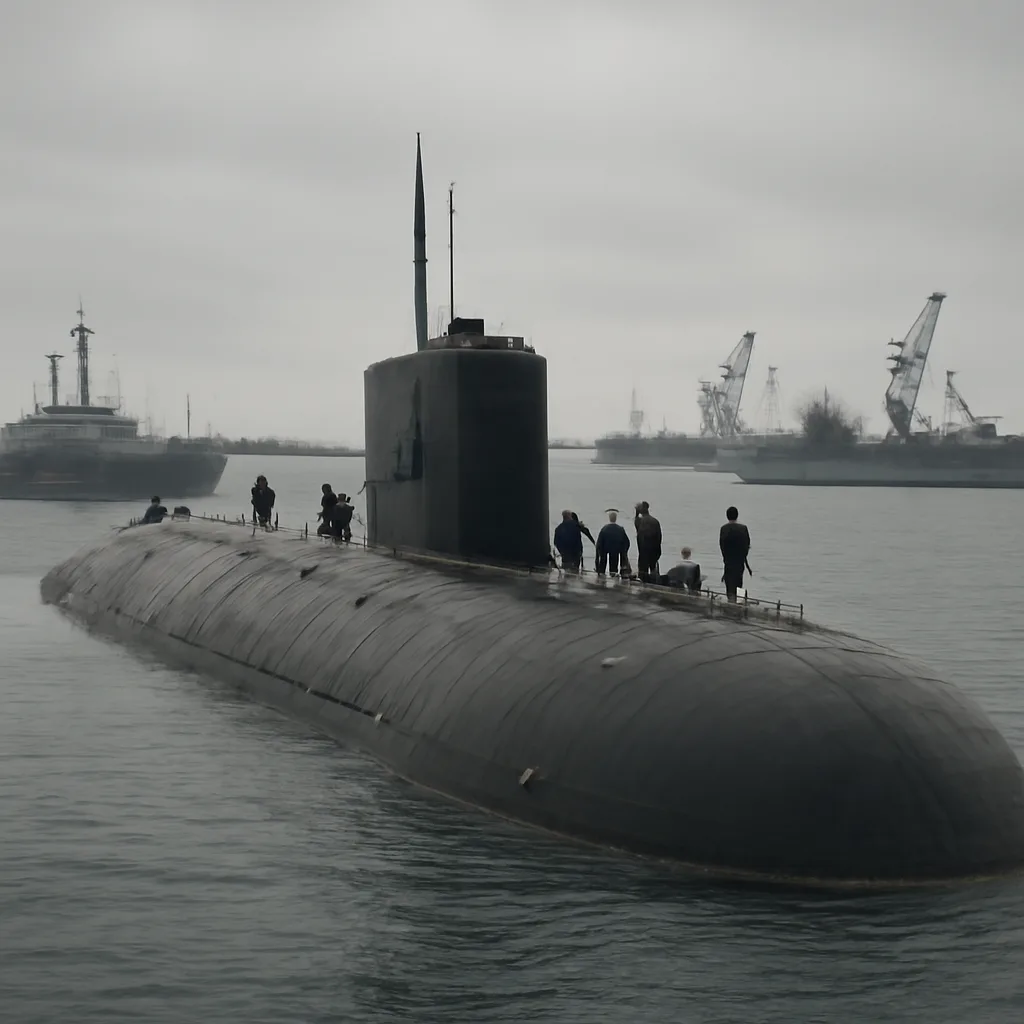
On 1 July 2000 an Oscar-class Russian nuclear-powered cruise missile submarine sank during a Black Sea training exercise; the incident caused casualties and prompted official investigations into safety and crew procedure.
The Oscar-class design dates to the late Cold War: large, nuclear-powered submarines built to carry long-range anti-ship cruise missiles. Several boats of this class remained in Russian service into the 1990s and 2000s. Public Russian and international reporting about the July 2000 sinking was limited and sometimes contradictory; Moscow did release basic confirmations and statements that an accident had occurred and that rescue and recovery efforts were under way. Independent and foreign media sources later reported differing casualty figures and conjecture about causes, but authoritative public details about the precise sequence of technical failures or human errors have remained restricted.
Immediate response and rescue
Russian naval units in the area responded to the accident with search-and-rescue efforts, deploying surface ships and auxiliary vessels. Divers and salvage teams were involved in attempts to reach survivors and recover the submarine. Given the submarine’s size and depth at the site, salvage operations were complex and resource-intensive. Official accounts emphasized efforts to evacuate injured sailors to shore medical facilities and to account for missing crew members.
Casualties and human impact
Available reports indicated multiple fatalities and injuries, though exact numbers reported publicly varied across sources and time. The loss of life and the trauma among survivors and families prompted formal inquiries and drew attention within Russia to the human cost of naval accidents. Public memorials and commemorations for the deceased were held locally and within naval circles, in keeping with Russian military tradition.
Investigation and causes
Russian authorities opened an investigation into the incident. Possible contributing factors discussed in post-incident analysis by observers included technical malfunctions, procedural or training shortcomings, and maintenance issues associated with older vessels operating in a post-Soviet fiscal environment. Western commentators and some Russian analysts highlighted chronic maintenance and funding problems across much of the Russian fleet at the time, but definitive, publicly available attribution of cause to a single factor has not been published in an unambiguous way.
Broader implications
The sinking underscored safety vulnerabilities in aging naval fleets and reinforced calls within Russia for improved maintenance, training, and modernization. It also fed international concern about the handling of nuclear-powered warship incidents, environmental risks, and the transparency of military reporting. In subsequent years Russia continued to modernize parts of its submarine force while retiring or upgrading older platforms.
Historical context
Naval accidents involving submarines have periodically occurred across many navies; the July 2000 sinking became part of a pattern of incidents that highlighted operational risks inherent to complex undersea warfare platforms. The event remains a point of study for naval historians and analysts examining post-Cold War Russian naval readiness, the lifecycle management of nuclear-powered vessels, and the human costs of maritime accidents.
Note on sources and certainty
Public information about the July 2000 sinking is fragmented and sometimes inconsistent. Russian official statements confirmed an accident and rescue operations but did not fully disclose all technical details publicly. Where specifics remain disputed or unconfirmed in open sources, this account avoids definitive attribution and instead summarizes the consensus and plausible factors reported by contemporary and retrospective analyses.