
← Back
07/01/1977 • 5 views

British punk erupts after heated 1977 TV appearance
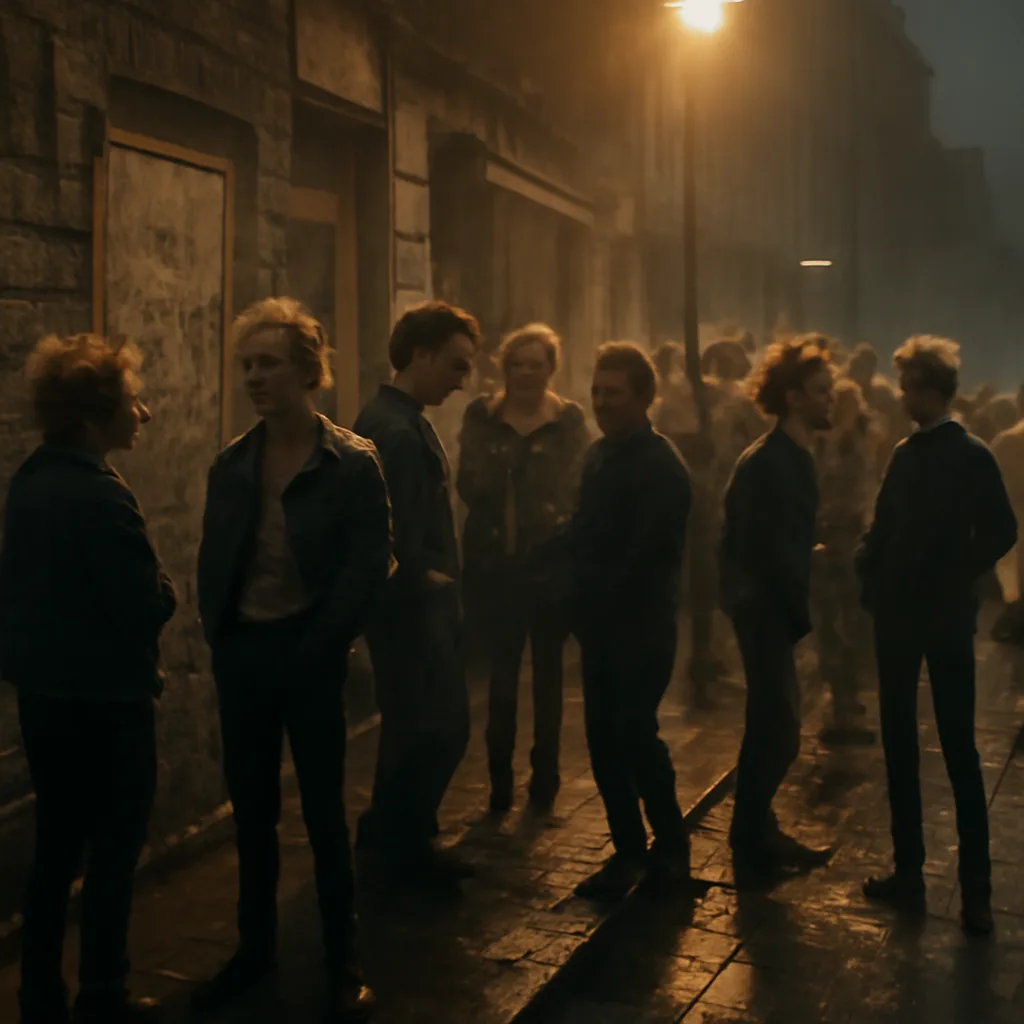
Crowded late-1970s London club exterior at night with young people in punk-influenced clothing — DIY jackets, safety pins, distinctive hairstyles — gathered under streetlamps and shopfronts.

A contentious television spot in July 1977 — widely reported as inflammatory toward mainstream Britain — accelerated public attention and media coverage of the burgeoning UK punk scene, intensifying debates about youth culture, music and social unrest.


In early July 1977 a television appearance that included members of the British punk scene provoked intense public and media reaction, amplifying a cultural movement that had been gaining momentum through small clubs, fanzines and independent record releases. The incident crystallized broader anxieties about the era: economic stagnation, youth unemployment and a generational split over music, fashion and political expression.

Punk in Britain emerged in the mid-1970s from a mixture of musical influences — stripped-down rock, glam, pub rock and proto-punk — and an abrasive visual style characterized by torn clothes, DIY aesthetics and confrontational hairstyles. Bands and performers associated with the scene were already attracting attention in London and other cities via live shows and independent labels. National television exposure in 1977 pushed that localized subculture into the mainstream spotlight.

The televised segment, broadcast in July 1977, became a focal point because participants and presenters clashed with expectations of decorum for a national audience. Accounts from contemporary press show that producers, presenters and some viewers perceived the encounter as disorderly and provocative; tabloids and editorial writers framed it as symbolic of a wider breakdown in taste and civic standards. Conservative commentators used the episode to argue for stricter broadcasting standards and to criticize what they saw as the moral impact of popular culture on young people.

For supporters of punk, the coverage worked as inadvertent promotion. Newspaper stories, magazine columns and radio discussions increased curiosity about the bands and their music, leading to higher attendance at shows and greater interest in punk-related fashion and publications. Independent labels and fanzines reported increased demand, and the scene’s abrasive aesthetics and messages—anti-establishment lyrics, DIY production and visible working-class identity—reached a broader, sometimes hostile, audience.

The broader social context matters: Britain in 1977 was experiencing economic difficulties, with rising inflation and unemployment that disproportionately affected young people. Political debates over the state of the economy, immigration and national identity were particularly fraught that year. Punk’s rise intersected with those tensions, and the TV incident intensified public discussion about the relationship between youth culture and society’s institutions.

Musically, the moment helped consolidate punk as a recognized strand within British pop culture. Record sales for several punk and punk-adjacent acts rose following heightened coverage, and mainstream labels began to take notice of the movement’s market potential. At the same time, established artists and broadcasters debated whether punk represented genuine artistic renewal or merely sensationalist provocation.

Historians and cultural commentators have treated the 1977 television confrontation as one important episode among many that brought punk into public view; it did not by itself create the movement but acted as a catalyst that accelerated public awareness and polarized opinion. Contemporary sources vary in emphasis—some stress the moral panic generated by the coverage, others the practical boost the scene received from national attention.

In the years after 1977, the punk movement diversified into post-punk and other related genres, while its fashion and DIY ethos influenced music, art and youth culture more broadly. The television incident remains a frequently cited early flashpoint in studies of British punk: a moment when a fringe subculture collided with national media, generating both backlash and expanded visibility.

Share this

Email Share on X Facebook Reddit

Did this surprise you?