
← Back
02/14/2003 • 5 views

Pentagon Confirms Cold War 'Doomsday' Drills Were Conducted
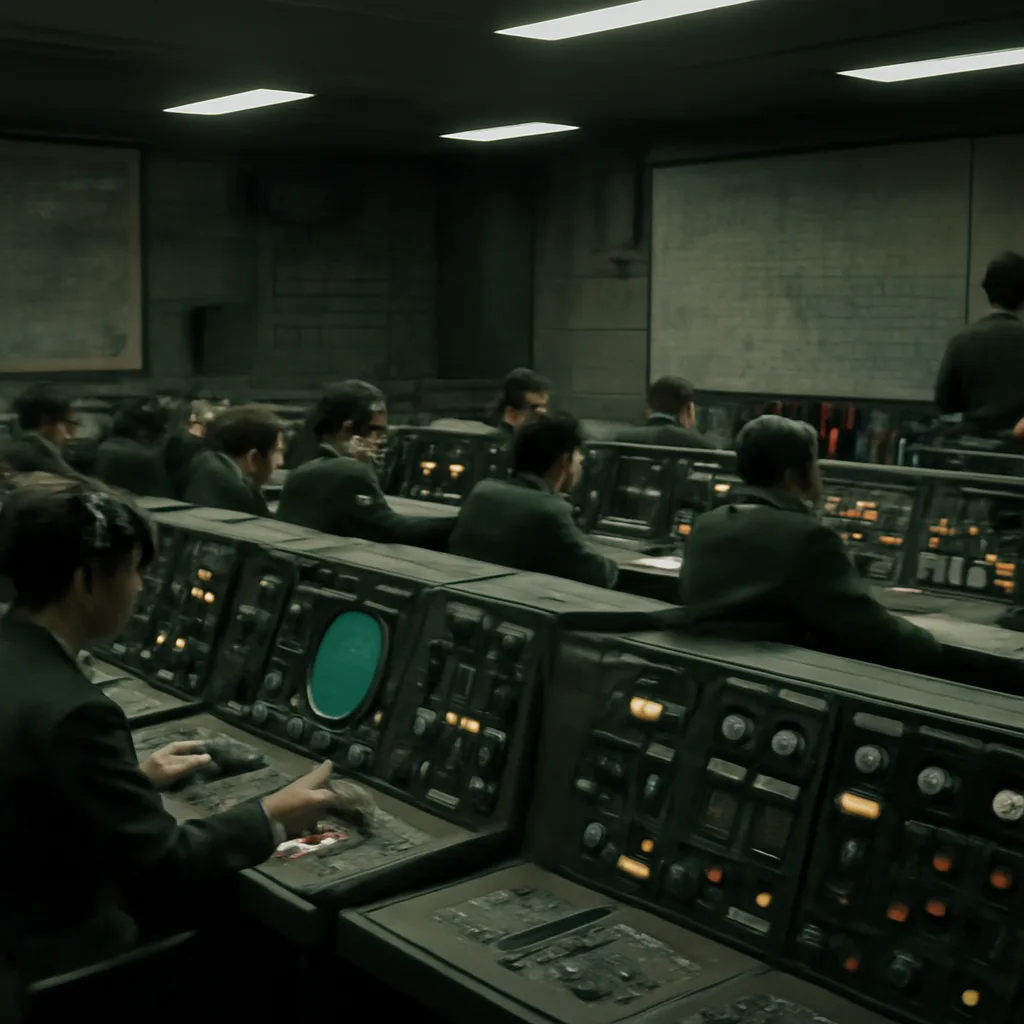
Cold War-era military command center with rows of consoles, maps on the wall, and a tense atmosphere of officers monitoring communications.

The Pentagon acknowledged that at least one Cold War-era exercise involved simulated nuclear command-and-control scenarios that Americans and allies feared could trigger real-world escalation; officials say the drills were intended to test deterrence and continuity plans.


In mid-February 2003, the Pentagon publicly confirmed that during the Cold War it conducted high-stakes exercises simulating nuclear command-and-control stress scenarios—often described at the time in public and private discussions as "doomsday drills." These exercises, carried out in various forms from the 1950s through the 1980s, aimed to test the resilience of U.S. nuclear forces, early-warning systems, and leadership continuity under conditions of extreme crisis.

Officials framing and purpose
Pentagon officials who summarized the records said the exercises were designed to ensure that deterrent forces could be commanded and controlled, that communications would survive attack, and that succession-of-government mechanisms functioned. Documents and after-action reports released or declassified in subsequent years show planners were concerned about false alarms, degraded communications, and the risk that misinterpretation of an exercise could trigger escalation. The drills varied in scale from tabletop command-post exercises to full-alert tests involving airborne alerts and missile crews.

Public concern and secrecy
Details of some exercises remained classified for decades, and public awareness often lagged behind official knowledge. When aspects of these programs surfaced—through declassified files, investigative reporting, or congressional inquiries—they prompted public debate about the wisdom of conducting high-risk simulations during periods of international tension. Critics argued the exercises could increase the chance of accident or miscalculation; defenders emphasized the necessity of realistic testing to maintain credible deterrence and prevent accidental nuclear war.

Case specifics and limitations
The Pentagon’s admission in February 2003 did not indicate a single undisclosed event but reaffirmed that multiple programs and exercises had explored worst-case command-and-control scenarios. The degree to which any specific exercise brought the United States and its adversaries closer to actual use of nuclear weapons is disputed among scholars and former officials. Primary sources—including declassified planning documents, oral histories, and contemporaneous logs—provide varying accounts about the safeguards used to prevent accidental escalation and the communication protocols intended to differentiate exercises from real attacks.

Lessons and legacy
Historians and policy analysts say these Cold War practices influenced later reforms in nuclear command-and-control and verification measures. Concerns about false alarms and miscommunication contributed to investments in more robust civilian and military warning systems, better information-sharing with allies, and clearer policies governing exercises. The disclosures reinforced calls—by some analysts and lawmakers—for greater transparency and tighter congressional oversight of nuclear operations.

Continuing debate
The debate over whether such drills reduced or increased nuclear risk persists. Proponents maintain that rigorous testing was essential to ensure that deterrent forces would function under stress and thereby prevent war. Skeptics counter that realistic simulations, especially those conducted amid heightened tensions, risked accidental escalation. Where documentary evidence is incomplete or contradictory, scholars flag uncertainties rather than assert definitive causal links between particular exercises and later policy outcomes.

Context for readers
The Pentagon’s 2003 acknowledgment fits into a larger pattern of periodic revelations about Cold War military practices that were once secret. Over time, declassification and scholarship have clarified many operational details while leaving some questions open. For contemporary policymakers and the public, those historical debates underscore the enduring tension between preparing for worst-case threats and minimizing the risks that preparedness itself can create.

Share this

Email Share on X Facebook Reddit

Did this surprise you?