
02/14/1998 • 5 views
House Explodes After Resident Lights Cigarette Following Gas Leak
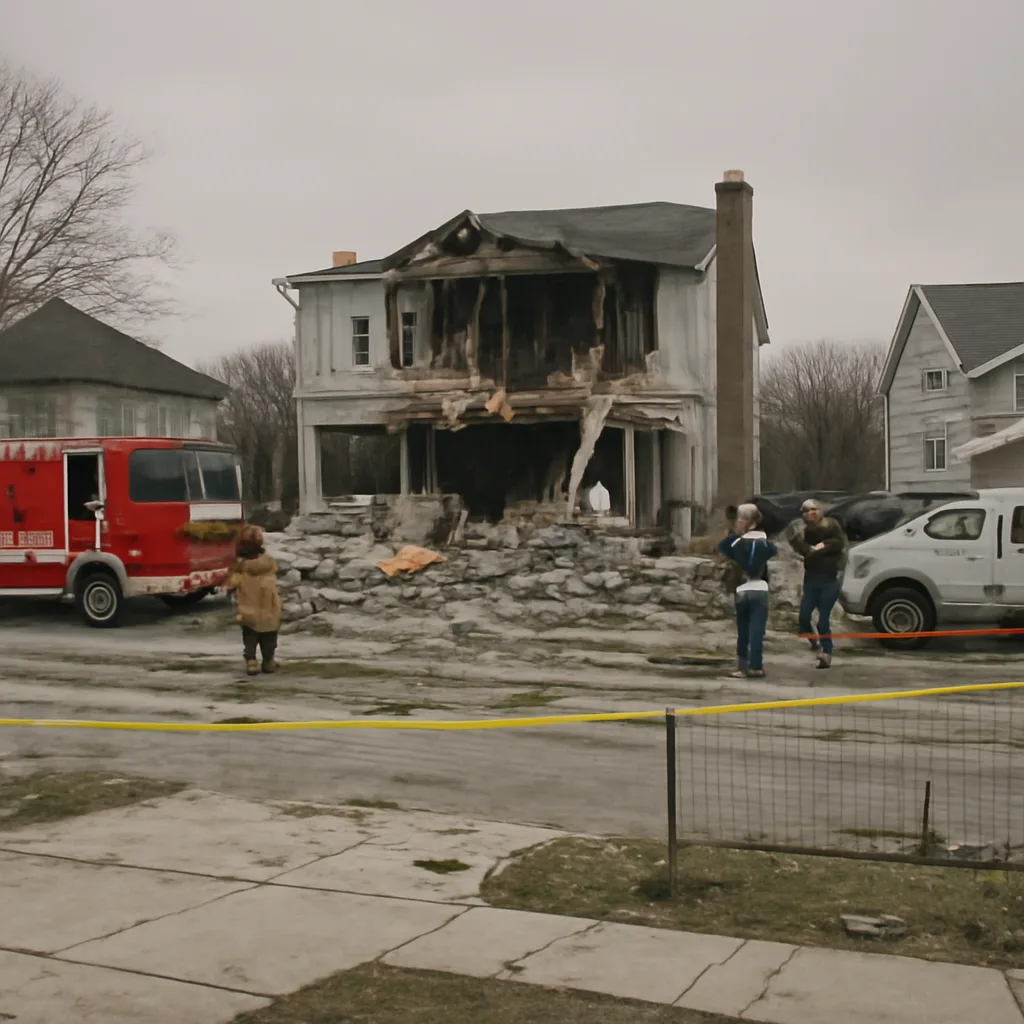
On February 14, 1998, a residential house exploded after a resident reportedly ignited a cigarette following a suspected natural gas leak. The blast caused extensive property damage and prompted an investigation into the source of the leak and adherence to safety protocols.
Initial reports indicated the presence of a strong gas smell inside the home before the explosion. Investigators from the local fire department and utility company inspected the site to determine how the gas accumulated and whether there were leaks in service lines, appliances, or fittings. Damage assessments focused on the origin point within the house, structural compromise, and potential failure of gas infrastructure connected to the property.
In incidents of this type, investigators typically examine appliance installations, flexible connectors, meters, and exterior service lines, and review maintenance and recent work on gas systems. They also interview occupants and neighbors to establish the timeline of events and whether anyone had detected gas earlier. If a cigarette or other open flame is confirmed as the ignition source, officials classify the immediate cause as an ignition of accumulated gas; determining why gas accumulated in dangerous concentrations is a separate part of the inquiry.
Explosions linked to natural gas leaks can produce a range of outcomes: structural collapse, secondary fires, injuries from blast pressure and flying debris, and lingering hazards from damaged gas infrastructure. Utility companies commonly respond by shutting off service to affected lines, performing leak surveys, and coordinating repairs. Public safety messaging after such events typically emphasizes evacuation if residents smell gas, avoiding use of electrical switches or open flames, and calling the gas company or emergency services from a safe location.
Media accounts of the February 14 event focused on the sequence reported by first responders and neighbors. Official determinations about responsibility or contributing factors—such as appliance defects, improper installation, or ground disturbance affecting service lines—require completion of formal investigations and, where applicable, reports from utility providers or regulators. Criminal charges or civil actions can follow if negligence or code violations are found, but such outcomes depend on the specific findings of investigators and prosecuting authorities.
This account summarizes the known sequence—detection of gas odor followed by ignition when a cigarette was lit—and the typical investigative and safety responses that follow such an explosion. Public records from the local fire department, utility company, or news reports from the time would provide additional specific details about injuries, property loss, and any subsequent legal or regulatory action related to this incident.