
12/04/1989 • 5 views
Beijing Tightens Controls After Tiananmen Crackdown
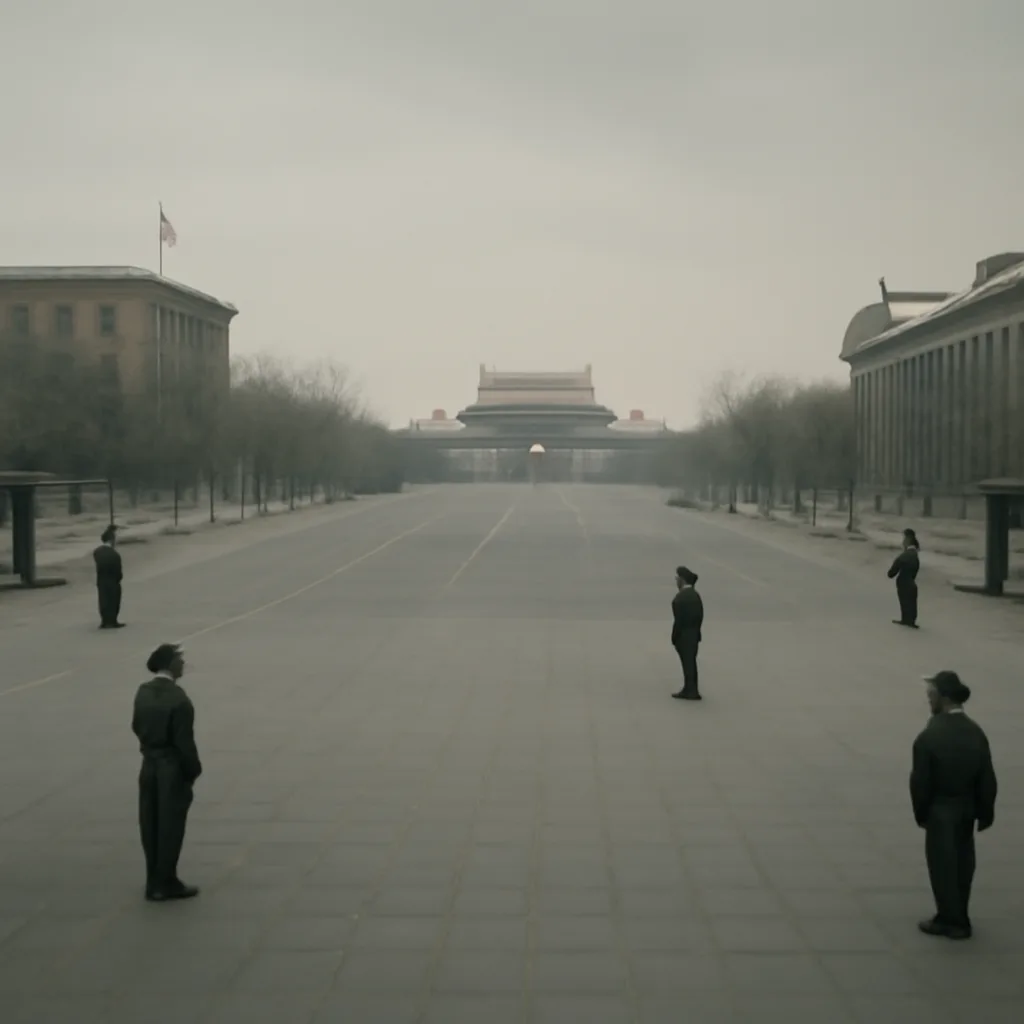
Following the deadly June 1989 crackdown on pro-democracy protests centered in Tiananmen Square, Chinese authorities in December 1989 intensified political controls, media censorship, and security measures across the country to prevent dissent and reassert Party authority.
Legal and administrative steps: Authorities revised and enforced regulations aimed at limiting public assembly, banning unauthorized demonstrations, and tightening registration and oversight of civic organizations. Universities and workplaces implemented stricter political education and disciplinary measures; students and staff associated with the protests faced expulsions, detentions, or barriers to employment and further education. Local governments increased scrutiny of petitions and grassroots activism to intercept potential dissent early.
Security and policing: The state expanded the presence of police, armed police, and security personnel in sensitive urban areas and at key institutions. Surveillance and monitoring of suspected activists, intellectuals, and organizers intensified. Reports from diplomats, journalists, and human rights groups at the time documented detentions, arrests, and sentences for prominent and lesser-known participants in the protests. Travel restrictions, house arrest, and restrictions on foreign contacts were also used against some targets.
Media and information control: December actions reinforced an already broad campaign to control news coverage and public discussion of the protests. Domestic media were tightly guided by Party propaganda departments to frame the events as counterrevolutionary or harmful to national stability; reporting of casualties, military involvement, and political debate was heavily censored or suppressed. Publishers, periodicals, and broadcasting outlets faced personnel changes, closures, or directives restricting coverage. The state also monitored and restricted unofficial publications, leaflets, and emerging alternative networks of information.
Economic and personnel consequences: The leadership sought to separate economic reforms from political liberalization, stressing continued market-oriented reforms while rejecting political pluralism. Officials perceived as sympathetic to the protesters or insufficiently tough faced dismissal or demotion. At the same time, campaigns emphasized economic performance and social order as priorities to regain public confidence.
International ramifications: The crackdown and subsequent domestic tightening prompted immediate international condemnation and led to sanctions, arms embargoes, and diplomatic pressure from several Western governments. Beijing responded by stressing noninterference and portraying the measures as necessary for sovereignty and stability, while working to rebuild foreign relations through economic and diplomatic engagement in the longer term.
Legacy and openness of records: Many of the December 1989 measures must be understood in the context of the Party’s broader response throughout 1989–1990 to reassert control. Precise details about internal deliberations, the full scope of detentions, and some security operations remain contested or partially documented; researchers rely on government documents made public later, memoirs, contemporaneous reporting, diplomatic cables, and human rights investigations to reconstruct events. The period marked a sustained tightening of political space in China that shaped governance and civic life in subsequent decades.
This summary focuses on verifiable policy patterns and documented actions taken after the Tiananmen crackdown; where specific claims remain disputed in the historical record, scholars and primary sources note differing accounts.