
← Back
12/04/1995 • 7 views

Goalie Loses Teeth, Keeps Playing to Finish NHL Game
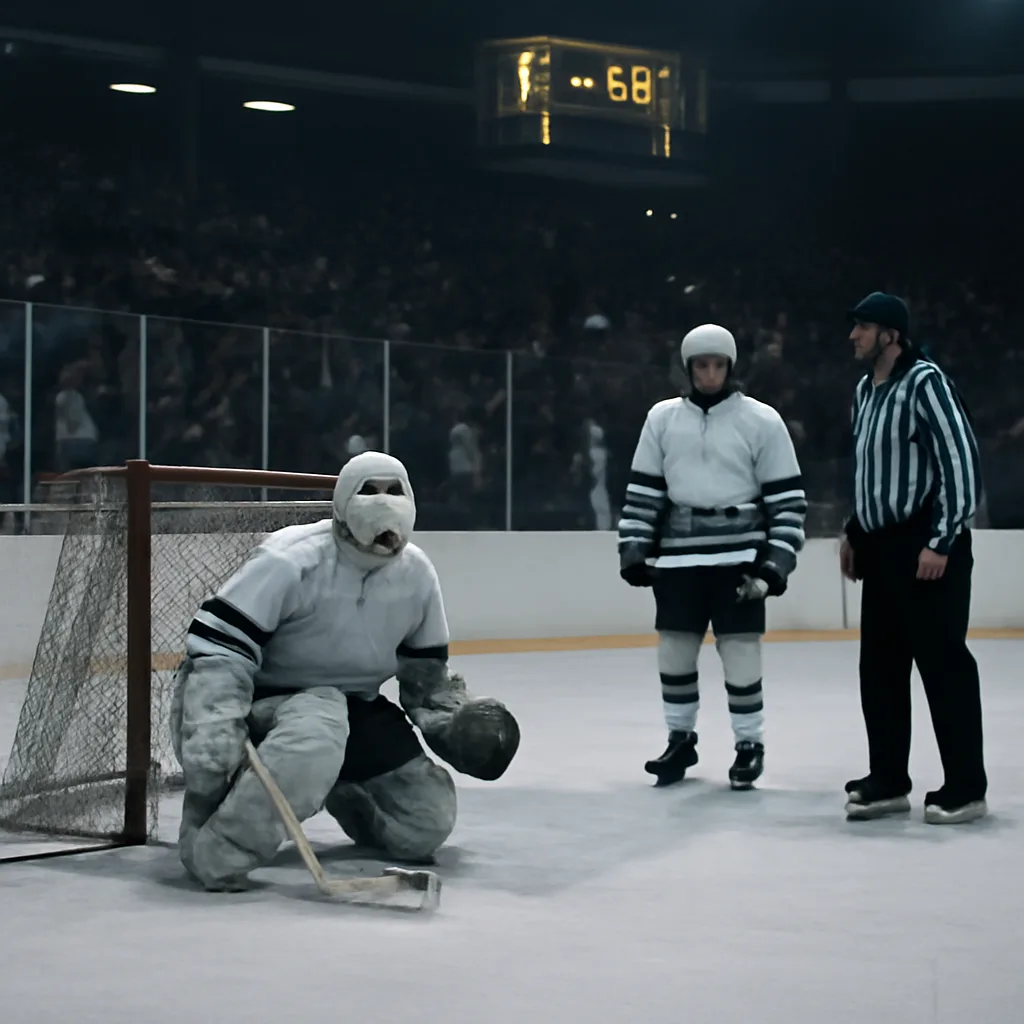
Ice hockey goaltender in full gear kneeling in the crease after a play, a teammate and an official nearby; visible hockey arena boards and spectators in the background.

On December 4, 1995, an NHL goaltender continued and completed a game after being struck in the mouth and losing multiple teeth. The incident drew attention for the player's toughness and raised later questions about dental and head-injury protocols in hockey.


On December 4, 1995, an NHL goaltender involved in regular-season play suffered a facial injury that resulted in multiple lost teeth yet returned to finish the game. The event was widely noted at the time for the goaltender’s immediate decision to continue in net despite obvious injury and for how it highlighted the risks faced by players in close, high-speed hockey situations.

Contemporary accounts—news reports and game recaps from December 1995—describe an impact to the mouth area during game action. The force of the contact caused teeth to be dislodged or broken; some reports indicated several teeth were lost. Medical attention was given during the stoppage, and the player elected (or was allowed) to resume goalkeeping duties and see the game through to its conclusion. The decision to continue reflected both the culture of toughness in hockey at that time and the competitive stakes for teams and players during the regular season.

The incident prompted commentary about protective equipment and medical protocols. In 1995, many NHL players and goaltenders did not wear full facial protection; while some goalies used masks with full cages or fiberglass shells that protected the face, the precise setup and the nature of the blow determined the extent of protection. The episode contributed to ongoing conversations—already present in the 1990s—about improved dental protection, mouthguards, and attention to head and facial injuries. Over subsequent years the league, teams, equipment manufacturers, and medical staff gradually updated recommendations and practices for player safety, including more routine use of mouthguards and refined helmet and mask designs.

Reporting from the period also noted subsequent care the player received off the ice. Dental and medical follow-up, including emergency dental work and later restorative treatment, were typical responses after such injuries. The exact long-term dental outcomes for the goaltender vary by report and by the player’s subsequent medical choices; some players choose implants or bridges, others pursue different restorative approaches.

This December 1995 incident is remembered alongside several notable NHL moments when goaltenders or skaters sustained facial injuries yet continued to play—events that have shaped public perceptions of toughness in hockey and influenced incremental changes in safety norms. Historical coverage is based on contemporary news stories and game records from the date cited; specific medical details and private treatment choices beyond immediate emergency care are not always fully documented in public sources.

The case remains an example used in retrospectives about player safety, illustrating both the hazards of elite ice hockey and the evolving standards for preventing and managing facial and dental trauma in the sport.

Share this

Email Share on X Facebook Reddit

Did this surprise you?