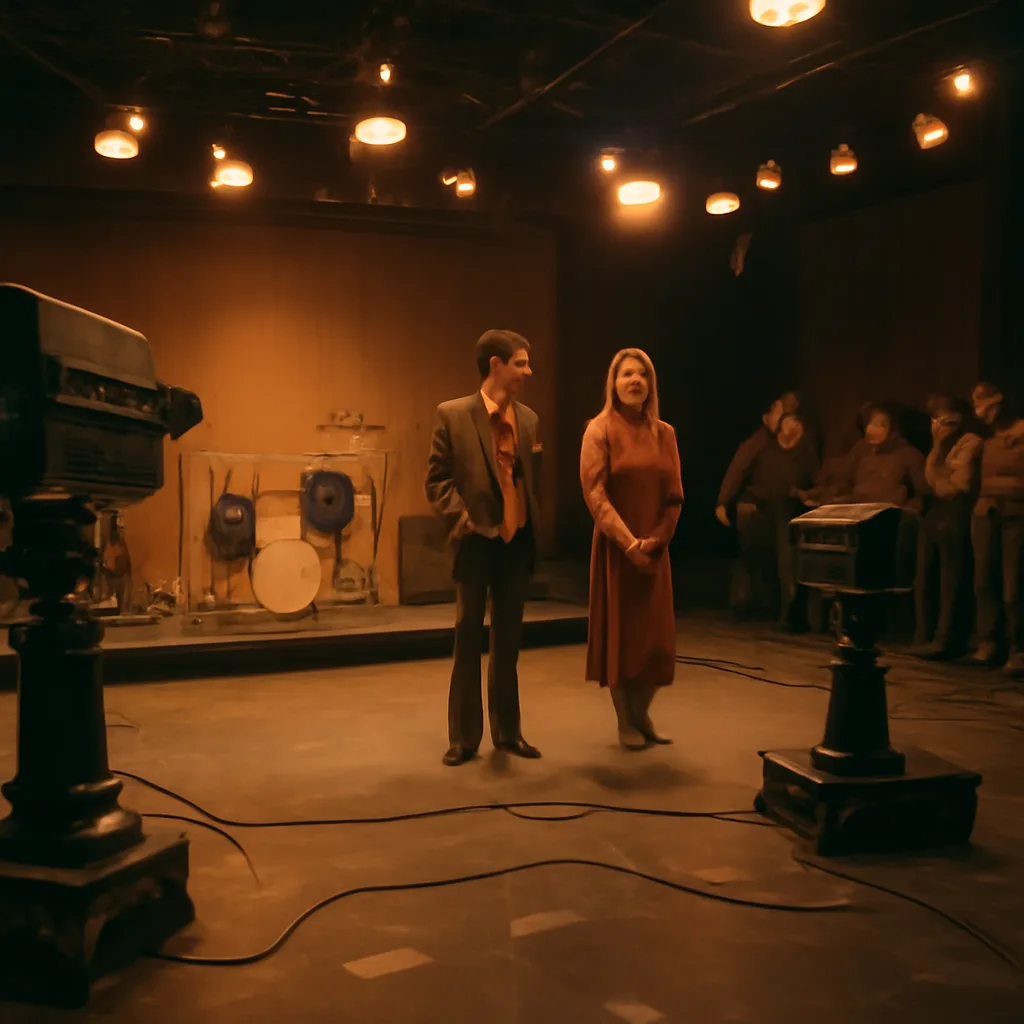
Sex Pistols Cause Outcry on National TV After Profane Interview
On 6 October 1976, the newly formed British punk band the Sex Pistols provoked public and media outrage with a profanity-laced interview on the Granada Television program, which intensified debates about youth culture, censorship and public decency in Britain.
On 6 October 1976 the Sex Pistols—then a recently formed London punk group fronted by Johnny Rotten (John Lydon)—appeared on Granada Television’s late-night programme for a filmed interview and studio segment. The band’s abrasive sound and combative image were still new to many viewers; their appearance on regional television captured national attention because of the programme’s unscripted, confrontational tone and several instances of strong language. The episode quickly became a focal point in public discussions about punk rock, standards in broadcasting and the boundaries of acceptable behaviour on television.
Background
The Sex Pistols had emerged in 1975–76 as part of a nascent British punk scene. Their music and public persona rejected mainstream norms and drew on deliberately provocative fashion and rhetoric. At a time when commercial British television was expected to adhere to relatively conservative standards, an unvarnished television appearance by such a band was likely to trigger controversy.
The television appearance
The band’s segments for Granada included both filmed sequences and studio material. Presenters and production staff later described the television coverage as chaotic: contributors and the band exchanged sharp remarks, and band members used profanity during parts of the broadcast. While some of the footage was edited or curtailed by producers, enough candid material aired that viewers and journalists noted the explicit language and aggressive attitude.
Immediate reactions
Newspapers, broadcasters and viewers responded swiftly. Some critics condemned the broadcast as irresponsible and offensive; others defended it as a revealing moment that exposed cultural tensions between younger and older generations. Media regulators and station managers faced calls to explain how such language reached the airwaves and whether editorial controls had been adequate. The incident fed a broader narrative in the British press that framed punk as a social problem needing containment or moral scrutiny.
Cultural impact
The Granada broadcast amplified the Sex Pistols’ notoriety and helped establish their public identity as provocateurs. For some in the public, the band became emblematic of a perceived decline in public standards; for supporters and many young people, the televised moments validated punk’s anti-establishment message and boosted interest in the movement. The controversy contributed to more intense media coverage of punk bands and prompted broadcasters to reconsider live or lightly edited content involving unpredictable guests.
Longer-term significance
While the Granada appearance was only one episode in the Sex Pistols’ brief but influential career, it is often cited in histories of British punk as an early, unmistakable instance of the genre colliding with mainstream media norms. Subsequent events involving the band—most notably later interviews and high-profile clashes with broadcasters and authorities—built on the notoriety that appearances like this helped create. Historians view the incident as illustrative of wider 1970s Britain debates about youth culture, class, and the limits of acceptable public expression.
Notes on sources and accuracy
Contemporary newspaper reports, broadcaster accounts and later histories of the Sex Pistols document the date and general nature of the Granada broadcast and the reaction it provoked. Specific dialogue and unrecorded backstage exchanges are variously reported and sometimes contested; this account focuses on established facts: the date (6 October 1976), the band involved (the Sex Pistols), the venue (Granada Television programme), and the broad public and media outcry over profanity and confrontational behaviour aired on television.