
← Back
11/17/1962 • 4 views

Supreme Court curbs school-sponsored prayer in public classrooms
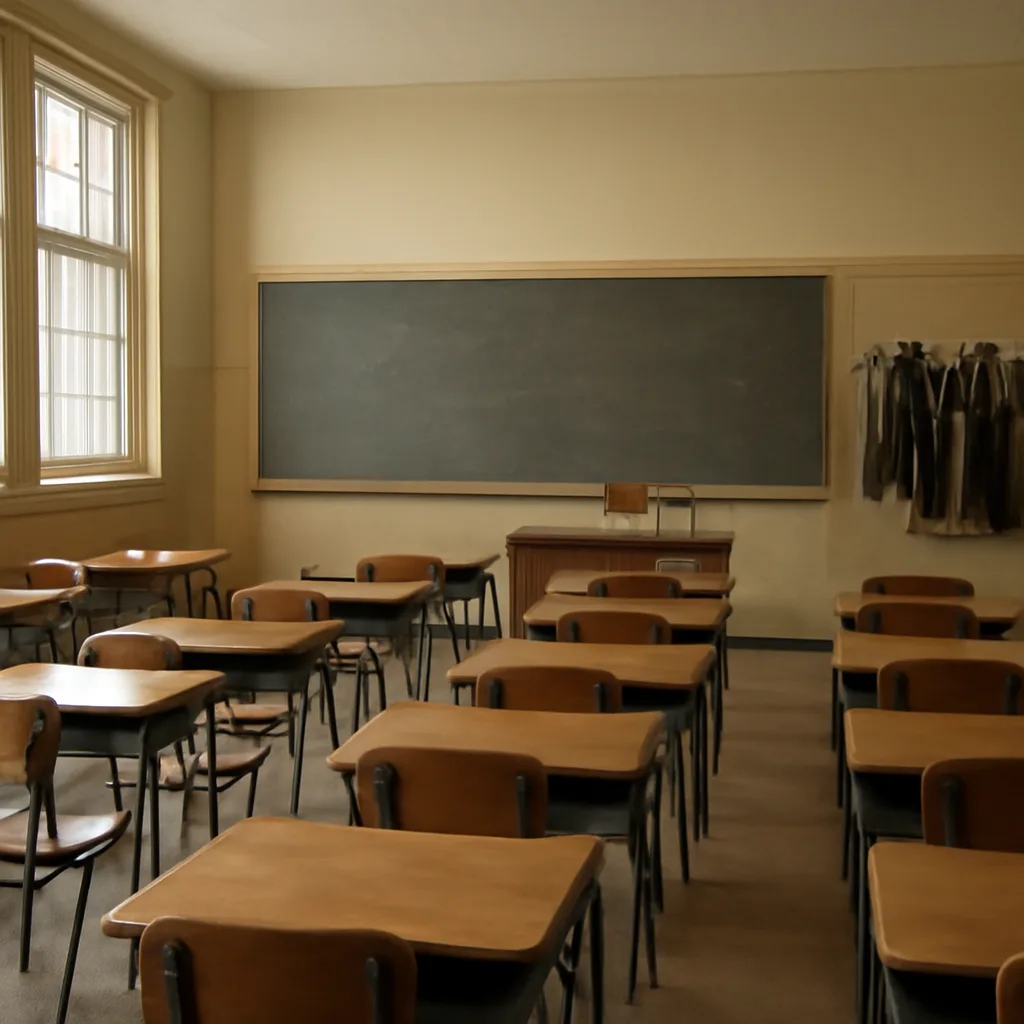
A 1960s-era public school classroom with empty desks and a chalkboard, suggesting a moment of quiet after a change in school prayer practices.

On November 17, 1962, the U.S. Supreme Court ruled that organized prayer in public school classrooms violated the Establishment Clause, a decision that reshaped church–state relations in American public education.


On November 17, 1962, the United States Supreme Court issued a landmark decision limiting school-sponsored prayer in public classrooms. The ruling arose from a challenge to voluntary, state-sanctioned prayer recitation in public schools and marked a pivotal moment in the Court’s interpretation of the Establishment Clause of the First Amendment.

Background

In the post–World War II era, public schools commonly included organized prayer or devotional exercises. Opposition to these practices increased as legal challenges asserted that state involvement in religious activity violated the constitutional prohibition on government establishment of religion. The case that reached the Court involved parents and students who objected to official classroom prayer and sought judicial relief.

The decision

The Supreme Court concluded that government-directed prayer in public school classrooms amounted to government endorsement of religion and therefore contravened the Establishment Clause. The Court held that even if participation was technically voluntary, the school’s role in composing, endorsing, or supervising the prayers created coercive pressures on students and conveyed a message of state preference for religious observance.

Legal reasoning and implications

The Court’s reasoning emphasized the special context of public education, where young persons are particularly susceptible to influence by state authority. The decision focused on the presence of state involvement in religious exercises rather than only the content of individual belief. By treating classroom prayer as an unconstitutional government action, the ruling drew a line between private religious expression, which remains protected by the Free Exercise Clause, and official school-sponsored religious activity, which public institutions may not promote.

The ruling produced immediate and longer-term effects. Public-school administrators and school boards had to revise routines that included organized prayer, leading to changes in graduation ceremonies, classroom practices, and other school-sponsored events. The decision also became a foundation for subsequent rulings that further defined the boundary between permissible private religious activity by students and impermissible government endorsement of religion.

Contemporary significance

This 1962 decision is often cited in discussions about religious liberty, pluralism, and the role of religion in public life. Supporters viewed it as a reaffirmation of government neutrality in matters of faith, protecting students of diverse beliefs from coercion. Critics argued that the ruling removed traditional religious elements from public life and interfered with majority cultural practices. The case remains a central precedent in Establishment Clause jurisprudence and continues to shape litigation and policy concerning religion in public schools.

Notes on sources and interpretation

Historical summaries of the case are based on the Supreme Court’s published opinion and contemporaneous reporting. Some factual contours—such as the precise local practices challenged and the range of responses in different communities—varied across jurisdictions and evolved in the years after the decision. Where details are contested in the historical record, this account emphasizes the core legal holding and its widely recognized effects on public education policy.

Share this

Email Share on X Facebook Reddit

Did this surprise you?