
← Back
08/01/1919 • 4 views

Eight White Sox Players Accused of Fixing the 1919 World Series
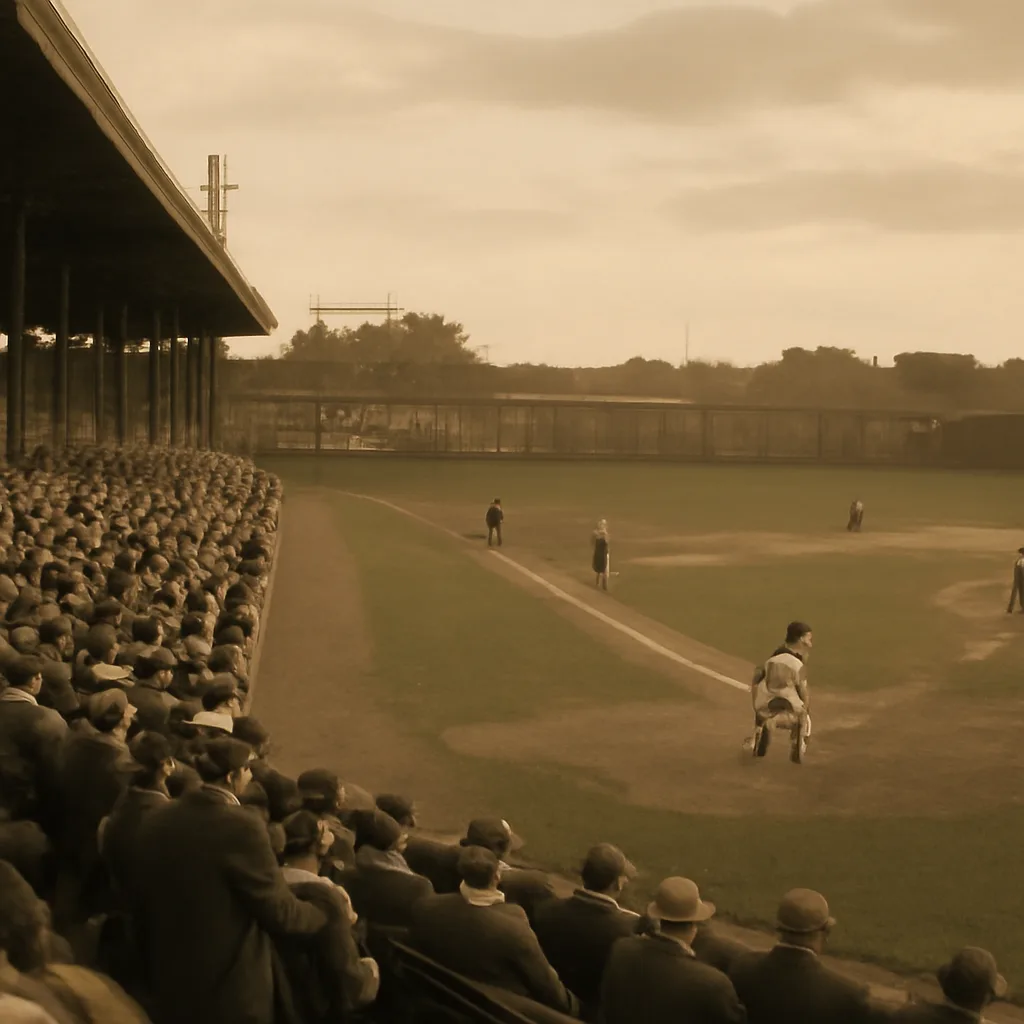
Early 20th-century baseball stadium interior with players in period uniforms on the field and a crowd in the wooden grandstands under gaslight-style lighting.

In 1919, eight members of the Chicago White Sox were accused of conspiring with gamblers to throw the World Series against the Cincinnati Reds, triggering one of baseball’s most infamous scandals and long-lasting legal and institutional consequences.


In October 1919 the Chicago White Sox lost the World Series to the Cincinnati Reds in eight games. Soon afterward allegations emerged that several White Sox players had conspired with gamblers to deliberately lose games. The accusations centered on a group of prominent White Sox players, including pitchers and position players, who were alleged to have accepted money and deliberately underperformed in key moments of the series.

Reports and testimonies in the months that followed described meetings between players and known gamblers and payments made to players in advance of the Series. The scandal became public and drew intense media attention; the investigation that followed was pursued by both team owners and, later, by criminal authorities. In 1920 Cincinnati-area grand juries returned indictments against eight players, and the case moved through the courts amid sensational press coverage.

In spite of the indictments, a 1921 criminal trial in Chicago resulted in acquittals for the accused players. Regardless of the jury verdict, the newly appointed Baseball Commissioner, Kenesaw Mountain Landis, conducted his own inquiry into the integrity of the game. Citing the damage to baseball’s public standing, Landis imposed lifetime bans on the eight players involved, barring them from organized professional baseball even though they had been acquitted in criminal court. Those banned included some of the era’s best-known White Sox stars.

The fallout reshaped professional baseball. Owners supported a central disciplinary authority with sweeping powers to restore public confidence. The scandal also led to increased scrutiny of gambling’s influence on sports and to changes in how leagues monitored player conduct and relations with bookmakers. For decades the event remained a touchstone in discussions of sports ethics, gambling, and governance.

Historians continue to debate aspects of the episode, including the extent of involvement by specific individuals, the motivations of the players, and the adequacy of evidence used in civil and criminal proceedings. Some archival research and retrospective accounts have nuanced earlier narratives, but the broad facts—the alleged payments, criminal indictments, acquittals, and lifetime bans—are well documented and remain central to the story’s legacy.

The 1919 scandal has had a lasting cultural impact beyond baseball: it is frequently cited in conversations about integrity in sports, the regulatory role of leagues, and the persistent risks posed by gambling. The episode also shaped the reputation of the banned players and the White Sox franchise for generations, and it remains one of the earliest and most consequential examples of match-fixing allegations in American professional sports.

Share this

Email Share on X Facebook Reddit

Did this surprise you?