
06/14/1917 • 4 views
Pioneering Facial Reconstruction Surgery Performed in 1917
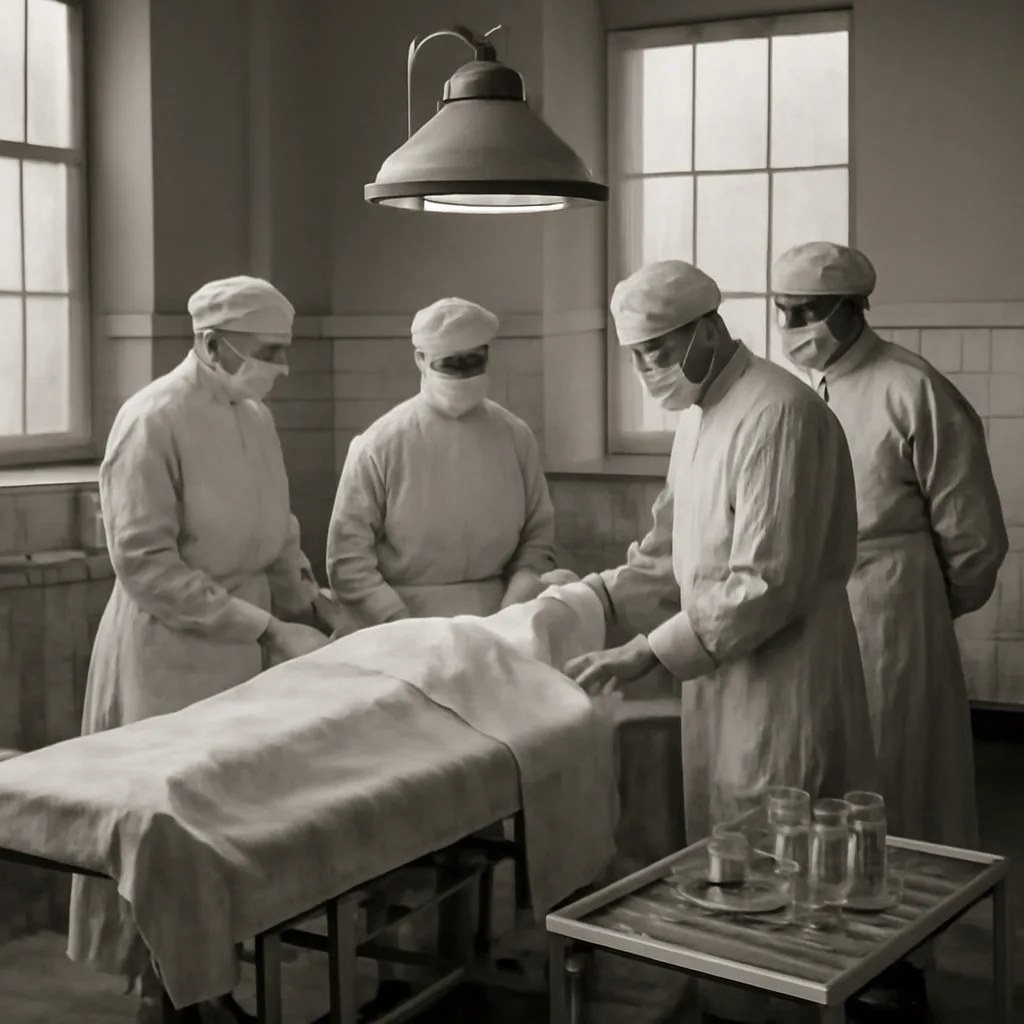
On June 14, 1917, surgeons performed one of the first widely documented successful facial reconstruction operations on a British soldier wounded in World War I, marking an important milestone in reconstructive surgery amid wartime necessity.
On June 14, 1917, a case that has often been cited in histories of plastic surgery involved a British serviceman who underwent a staged reconstructive procedure that achieved functionally and cosmetically significant repair. The operation drew on emerging techniques developed and refined by surgeons such as Sir Harold Gillies, a New Zealand–born surgeon practicing in Britain, who is widely credited with founding modern plastic surgery during World War I. Gillies and his contemporaries pioneered methods including pedicled skin grafts, local flap transfers and staged reconstruction to rebuild facial structures while preserving blood supply.
The June 1917 operation exemplified the shift from primary wound closure toward deliberate, staged reconstruction. Surgeons used tissue flaps harvested from adjacent areas of the face or scalp — still attached by a vascular pedicle — to fill defects, cover exposed bone, and restore contours. These procedures were often performed in multiple stages: initial debridement and stabilization, creation and delayed transfer of flaps, and subsequent refinements to improve symmetry and function. In addition to soft-tissue techniques, surgeons began addressing mandibular and dental defects with bone grafting and prosthetic appliances to restore chewing and speech.
Clinical teams also expanded supportive care, including prolonged rehabilitation, dental prosthetics, and psychological support, recognizing that recovery extended beyond the operating theatre. Specialized units, such as the Queen’s Hospital in Sidcup (established under the direction of Gillies in 1917), centralized expertise, enabled systematic refinement of techniques, and documented outcomes. These centers trained teams of surgeons, dentists, and prosthetists and collected photographic records and case notes that later informed civilian plastic surgery.
While earlier individual attempts at facial repair existed, the work done in 1917 represented a turning point because it combined surgical innovation, organized multidisciplinary care, and systematic documentation that demonstrated reproducible, meaningful improvement in patients’ appearance and function. Historians of medicine note that attributing a single “first” successful facial reconstruction to one date or surgeon can oversimplify a rapid, collaborative evolution of practice occurring across several hospitals and countries during the war.
The legacy of the 1917 procedures is twofold: they established technical principles (pedicled flaps, staged reconstruction, integration of dental and prosthetic care) that underpin modern reconstructive surgery, and they prompted the creation of institutions and training that sustained the specialty after the war. Contemporary reconstructive and craniofacial surgery trace many foundational techniques to this wartime period, though later advances in microsurgery, implants and imaging have transformed capabilities beyond what was possible in 1917.
Sources for this account include contemporary surgical reports and later historical analyses of World War I medicine and Sir Harold Gillies’s published work. Because wartime records were dispersed and multiple surgeons developed overlapping techniques, some details about who performed specific early operations and the exact dates can be disputed; historians therefore often describe this period as a collective breakthrough rather than a singular firsts-focused event.