
06/26/2003 • 4 views
Supreme Court invalidates sodomy laws in landmark 2003 ruling
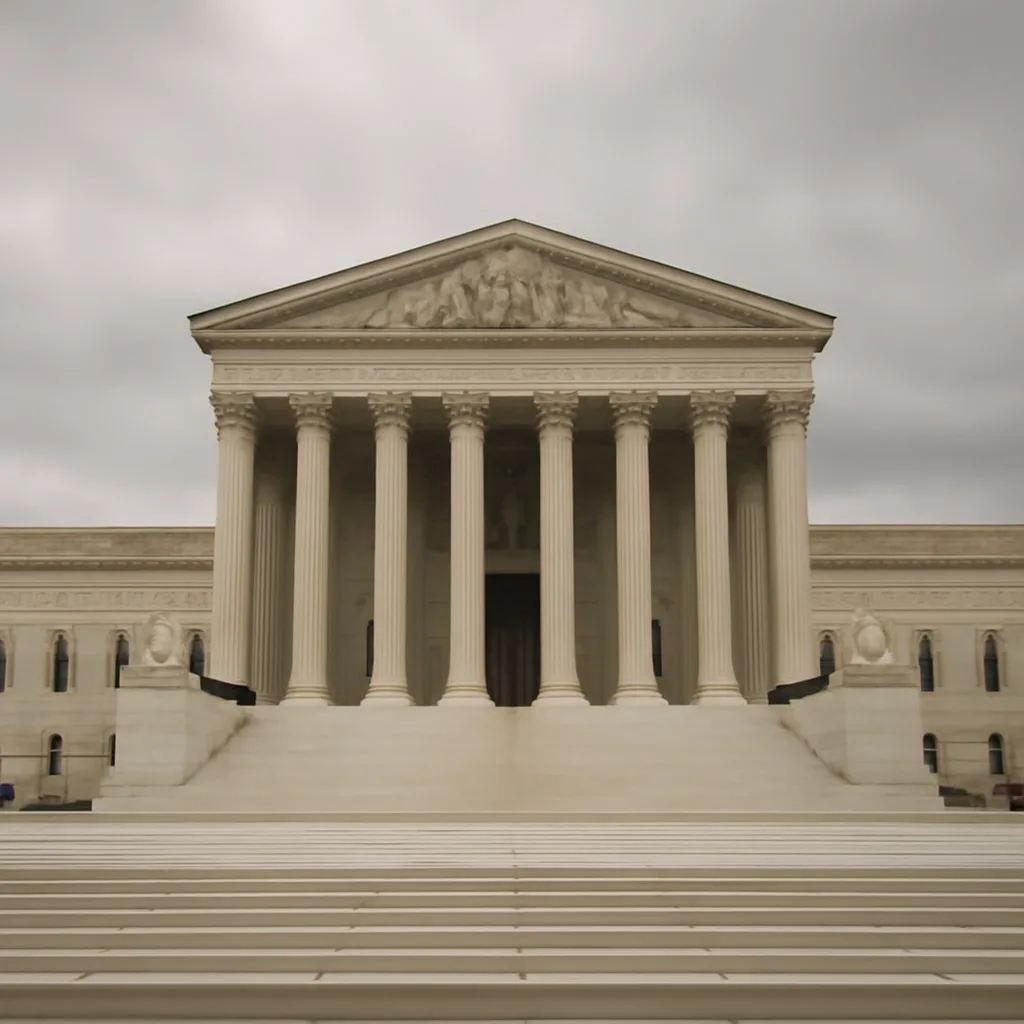
On June 26, 2003, the U.S. Supreme Court ruled in Lawrence v. Texas that state laws criminalizing consensual adult same-sex sexual conduct are unconstitutional, overturning prior precedents and reshaping privacy and equality law in the United States.
Background and legal context
The decision directly overturned the Court’s 1986 precedent in Bowers v. Hardwick, which had upheld a Georgia sodomy law and rejected a constitutional protection for private homosexual conduct. After Bowers, many states retained or enacted statutes that criminalized same-sex sexual relations. In Lawrence, the petitioner challenged a Texas statute under which he had been prosecuted, arguing that the law violated his constitutional rights to liberty and privacy.
Majority opinion
Justice Anthony Kennedy wrote the majority opinion, joined by five other justices. The opinion emphasized the broad principles of liberty and autonomy protected by the Due Process Clause, explaining that adults are entitled to engage in private, consensual conduct without government intervention. The Court held that moral disapproval alone was not a sufficient justification for laws that intruded on private intimate conduct.
Concurrences and dissents
Justices John Paul Stevens and Ruth Bader Ginsburg each wrote concurring opinions that agreed with the judgment but offered different doctrinal bases; both stressed equality and dignity considerations, with Ginsburg focusing on equal protection implications for gays and lesbians. The dissent, authored by Justice Antonin Scalia and joined by Chief Justice William Rehnquist and Justice Clarence Thomas, argued that the Court improperly overruled precedent and that the Constitution does not confer a right to engage in the conduct at issue.
Immediate legal and social effects
Lawrence v. Texas invalidated sodomy laws in the 13 states that still had statutes criminalizing same-sex sexual activity and effectively made such laws unenforceable nationwide. The ruling had significant legal ripple effects: it removed a major legal barrier that had been used to justify discrimination against lesbian, gay, bisexual, and transgender people, and it was cited in later decisions expanding LGBT rights and recognition. Notably, the reasoning in Lawrence was referenced in the Court’s 2015 decision in Obergefell v. Hodges, which recognized a constitutional right to same-sex marriage.
Limitations and subsequent developments
While Lawrence struck down criminal sanctions for consensual adult same-sex sexual conduct, it did not itself create a comprehensive framework for LGBT equality. The decision addressed privacy and liberty rather than establishing a broad equal protection doctrine. Subsequent litigation and legislation continued to address related issues—employment discrimination, parental rights, and public accommodations—under different constitutional or statutory theories.
Historical significance
Lawrence v. Texas is widely regarded as a turning point in U.S. constitutional law and in the broader movement for LGBT civil rights. By repudiating Bowers and affirming a constitutional protection for private consensual intimacy, the Court removed a longstanding legal stigma and paved the way for further advances in recognition and protection of LGBT people under U.S. law. The ruling remains a foundational precedent for cases concerning privacy, liberty, and sexual autonomy in the United States.