
06/26/1948 • 5 views
Allied Airlift Begins Supplying West Berlin as Soviet Blockade Starts
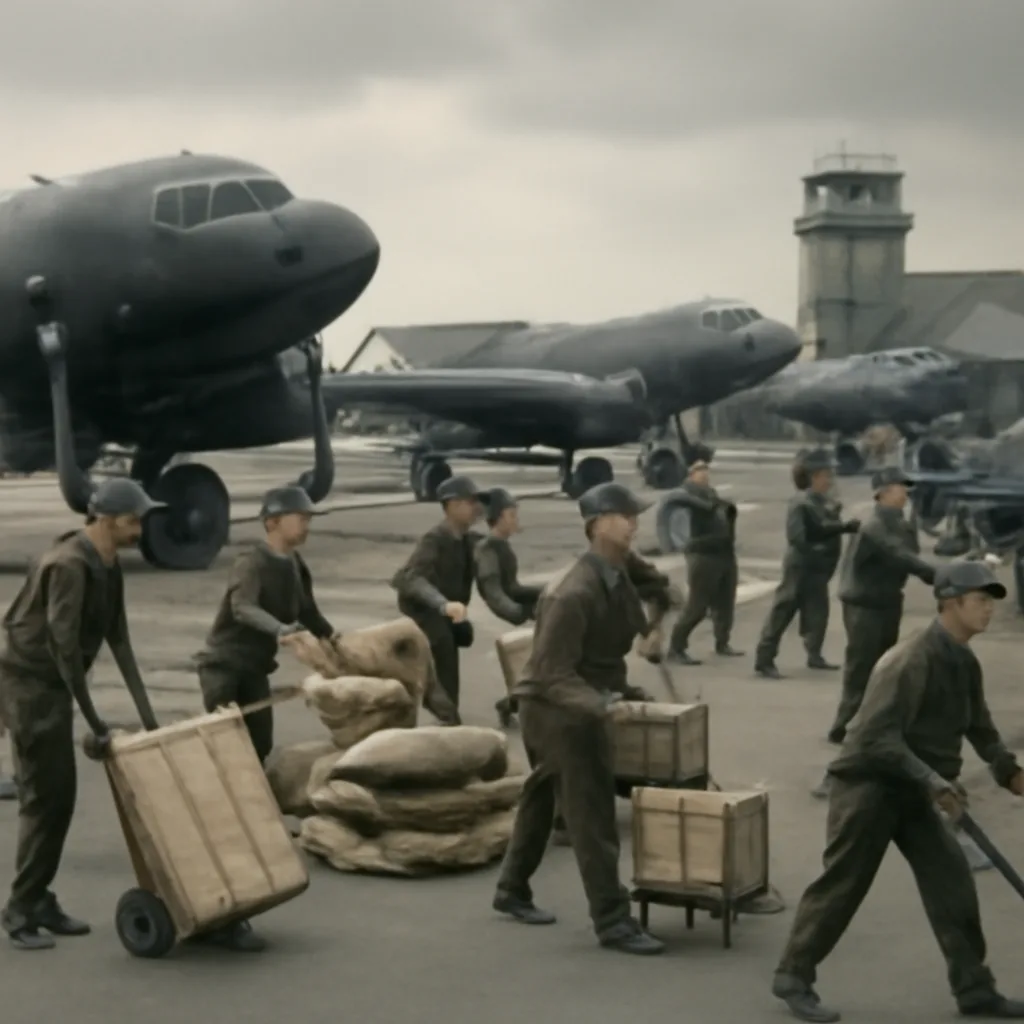
On June 26, 1948, Western Allies launched a large-scale airlift to supply West Berlin after Soviet authorities blocked land and water routes into the city, marking a pivotal early crisis of the Cold War.
Background
Following Germany’s defeat in 1945, the country and its capital were divided into occupation zones administered by the United States, the United Kingdom, France and the Soviet Union. Tensions between the Western Allies and the Soviet Union increased over governance, currency reform and political orientation in postwar Germany. In June 1948, the Western Allies introduced a new currency for their zones and for West Berlin to stabilize the economy. The Soviet Union regarded these moves as a threat and on June 24 ordered the closure of all ground and water access to West Berlin, aiming to force the Western Allies to abandon the city or accept Soviet terms.
The Airlift Begins
With land routes blocked, Western planners concluded that only sustained air supply could prevent a humanitarian crisis in the isolated sectors of Berlin. On June 26, 1948, U.S. and British aircraft began regular flights into the city’s airfields, including RAF Gatow and the U.S. airfields at Tempelhof. Early flights carried food, coal and medical supplies. The initial operation used transport types available at the time—such as the Douglas C-47 Skytrain and larger C-54 Skymaster—while additional aircraft and crews were mobilized in the following weeks.
Scale and Strategy
What began as a stopgap effort quickly became a large, highly organized logistical operation. Air corridors negotiated earlier for access to Berlin—three air corridors from West Germany to the city—allowed Allied aircraft to fly without interference, and flights were scheduled around the clock. The Allies prioritized essential commodities: powdered milk, flour, sugar, medicine and, critically during winter, coal for heating and power. Loading and unloading procedures, maintenance, and air-traffic control were intensified to increase throughput. Over time flight rates grew dramatically, and airlift planners refined techniques to reduce turnaround time and maximize cargo delivered per sortie.
Political and Human Impact
The airlift was both a practical lifeline and a political statement. For West Berliners, it prevented a collapse of daily life under blockade conditions and bolstered civilian morale. For the Western governments, it demonstrated a commitment to defending access to West Berlin short of military confrontation. The Soviets maintained the blockade for nearly a year; they publicly framed it as a response to Western policy but did not directly attack Allied aircraft. The airlift underscored the emerging Cold War division of Europe and became an early test of Western resolve.
Outcome and Significance
The airlift continued through the winter of 1948–1949 and into 1949, with the Allies steadily improving capacity and efficiency. In May 1949, facing little success in forcing the West out of Berlin and wary of escalating tensions, Soviet authorities lifted the blockade. The airlift remained a landmark logistical achievement: by some postwar counts, hundreds of thousands of flights delivered thousands of tons of supplies to West Berliners. The episode solidified the city’s division and accelerated the formal political separation of Germany into East and West, while boosting the reputation of the U.S. and British air transport services.
Historiography and Sources
Contemporary government records, memoirs of participants, Allied and Soviet press dispatches, and subsequent historical studies document the blockade and airlift. Some details—such as exact daily tonnages at particular early stages—vary among sources, but the overall chronology and core facts of the blockade beginning in late June 1948 and the Allied airlift commencing on June 26 are well established.