
← Back
01/21/1979 • 5 views

Jackie Smith drops would-be touchdown in Super Bowl XIII
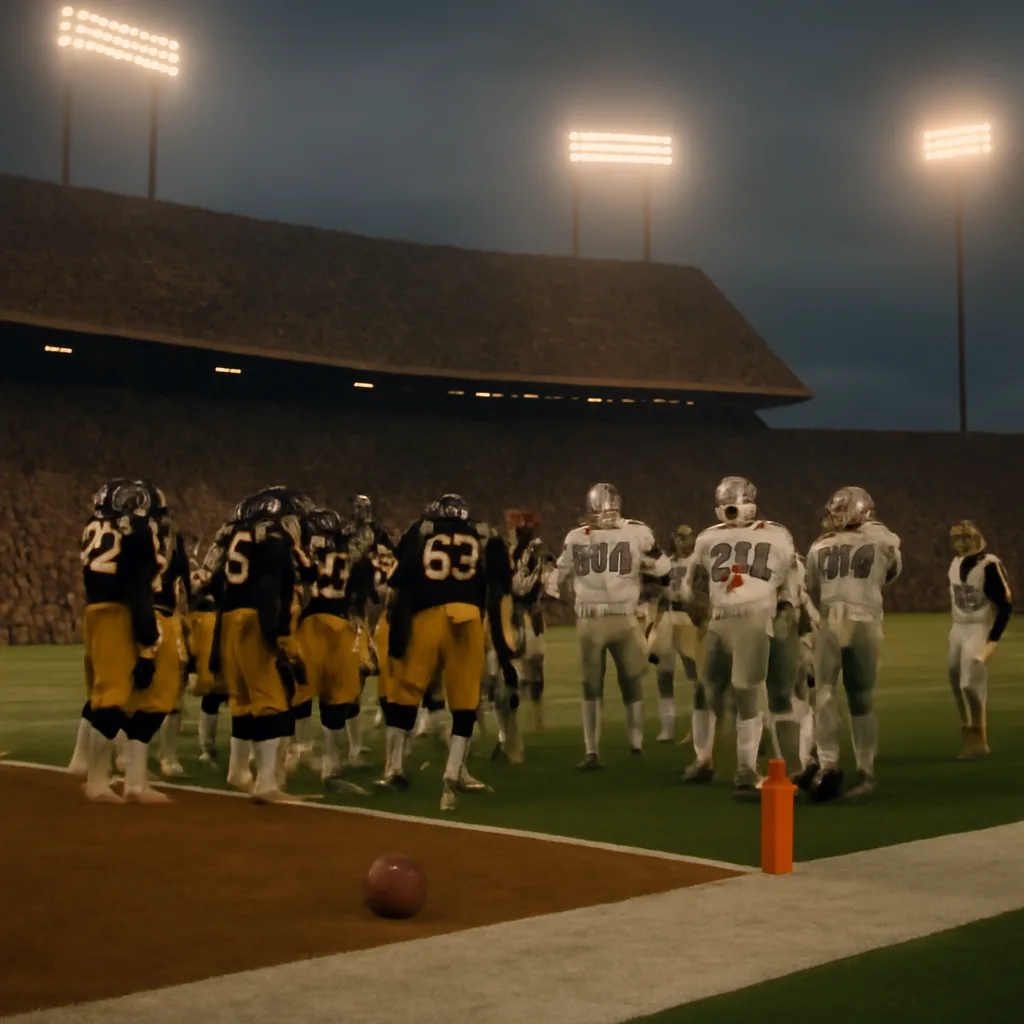
Late-1970s stadium scene showing teammates and opponents around the goal line during a Super Bowl play; a football on the field near the end zone, players in vintage Steelers and Cowboys uniforms, Orange Bowl turf and crowd in the background.

In Super Bowl XIII (January 21, 1979), Cowboys tight end Jackie Smith dropped a pass in the end zone late in the first half that would have tied the game; the play is remembered as one of the most consequential drops in Super Bowl history.


On January 21, 1979, Super Bowl XIII at the Orange Bowl in Miami featured the Pittsburgh Steelers and the Dallas Cowboys in a matchup widely regarded as one of the NFL’s classic title games. Late in the second quarter, Dallas was mounting a drive that had reached the Steelers’ 1-yard line. A pass from Cowboys quarterback Roger Staubach to tight end Jackie Smith was thrown into the end zone; Smith appeared to secure the ball but it slipped from his hands as he came down in the end zone, resulting in an incomplete pass rather than a touchdown.

The drop occurred with less than a minute remaining before halftime. Had the catch been ruled complete, Dallas would have tied the game and momentum heading into the locker room could have shifted. Instead, the Cowboys settled for a field goal attempt that was missed, and the Steelers maintained a lead. Pittsburgh ultimately won the game 35–31.

Contemporaneous accounts and subsequent analyses have treated the play as pivotal: it deprived Dallas of what would have been a tying score at a critical juncture. The play is often cited in retrospectives about momentum swings in championship games and is frequently included among notable Super Bowl miscues. It also had a personal impact on Jackie Smith’s career legacy; though he was a Pro Bowl player and later inducted into the Pro Football Hall of Fame in 1994, the dropped pass remained a lingering, much-discussed moment.

Reports and film of the play show that Smith got both hands on the ball as he reached for the end zone, but the ball came loose on contact with the ground. At the time, the rulebook required control through the process of the catch and maintain possession upon hitting the ground; officials ruled the play incomplete. There is no record of a turnover or penalty on the play itself. Staubach and Smith continued to play that season, and the Cowboys remained competitive in the years that followed.

Historical accounts of Super Bowl XIII emphasize the overall quality of the game—big plays, strong defensive efforts, and a high-scoring finish—rather than reducing the contest to a single mistake. Nevertheless, the Smith drop has endured in public memory because of its timing and potential game-changing consequences. When assessing the play in historical context, it is important to note that game film and contemporary reporting confirm the sequence: pass into the end zone, apparent initial control, ball dislodged on or after contact with the ground, incomplete ruling by officials.

No credible evidence suggests that the play was overturned by rule interpretation at the time; the play stands in the official record as an incomplete pass. Discussions about ‘‘what might have been’’ are speculative, and while the dropped pass was consequential, the Steelers’ victory reflected their performance across four quarters. Historical accounts should treat the moment as one significant episode within a tightly contested Super Bowl rather than the sole determinant of the outcome.

Share this

Email Share on X Facebook Reddit

Did this surprise you?