
04/16/1931 • 8 views
First recorded airplane hijacking occurred on April 16, 1931
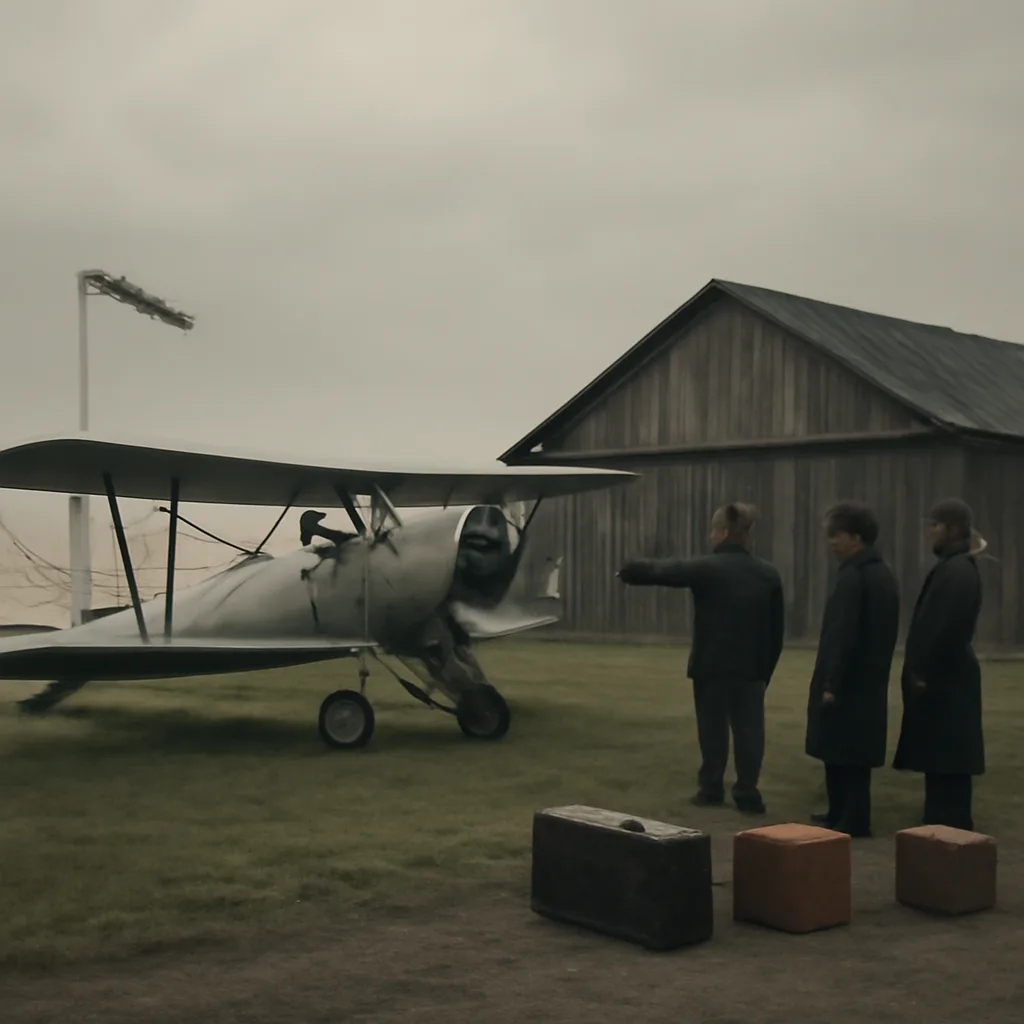
On April 16, 1931, what is widely described as the first recorded airplane hijacking took place when a Romanian airline pilot was forced to divert a flight; the incident marks an early case in aviation criminal history though some details remain disputed.
Context
In the interwar period, civil aviation was expanding rapidly across Europe, but regulatory frameworks, onboard security, and standardized procedures for responding to criminal acts in flight were rudimentary or non-existent. Aircraft cabins were accessible and carried fewer passengers and less formal screening than later decades, making successful interference by a passenger more feasible.
The 1931 incident
Sources from the period describe a flight on April 16 in which a passenger, reportedly armed or threatening crew, forced the pilot to alter the planned route. Accounts vary on the passenger’s motives, the precise demands made, and whether the act was intended as political protest, an escape, or a criminal act with other aims. Press coverage at the time focused on the sensational nature of an airborne seizure but often lacked consistent detail. Romanian police and aviation authorities investigated, and the event was reported in domestic and some international newspapers.
Documentation and uncertainty
Historians treating early aviation crime note this 1931 case as the earliest well-documented example of a forced diversion of a civil aircraft. However, scholarship also acknowledges gaps and inconsistencies in the surviving records: contemporary reports sometimes conflict, official archives may be incomplete, and later retellings occasionally conflate this event with other criminal incidents of the era. Because of these uncertainties, some researchers treat the April 16, 1931 episode as the first clearly reported hijacking while allowing the possibility that undocumented or poorly recorded incidents could have occurred earlier.
Significance
Whether unique or representative, the 1931 seizure illustrates the vulnerability of early civil aviation to onboard crime and the need that emerged for international norms and security measures. Over subsequent decades, recurrent hijackings prompted national governments and international organizations (notably the International Civil Aviation Organization, founded in 1947) to develop legal frameworks, air marshals, screening procedures, and technical measures to protect aircraft, crew, and passengers.
Legacy
Acknowledging the 1931 incident helps trace the evolution of aviation security and criminal law relating to aircraft. It also highlights challenges historians face when reconstructing early aviation events: reliance on sometimes-contradictory contemporary journalism, incomplete official records, and differing definitions of terms such as "hijacking," "seizure," or "forced diversion." As a result, while April 16, 1931 is commonly cited as the first recorded airplane hijacking, accounts of the event and its interpretation should be treated with careful attention to the available evidence.