Lockerbie bombing: Pan Am Flight 103 destroyed over Scotland, 270 killed
On December 21, 1988, Pan Am Flight 103 exploded over Lockerbie, Scotland, killing all 259 aboard and 11 people on the ground; the attack led to a long international investigation, trials, and disputed responsibility.
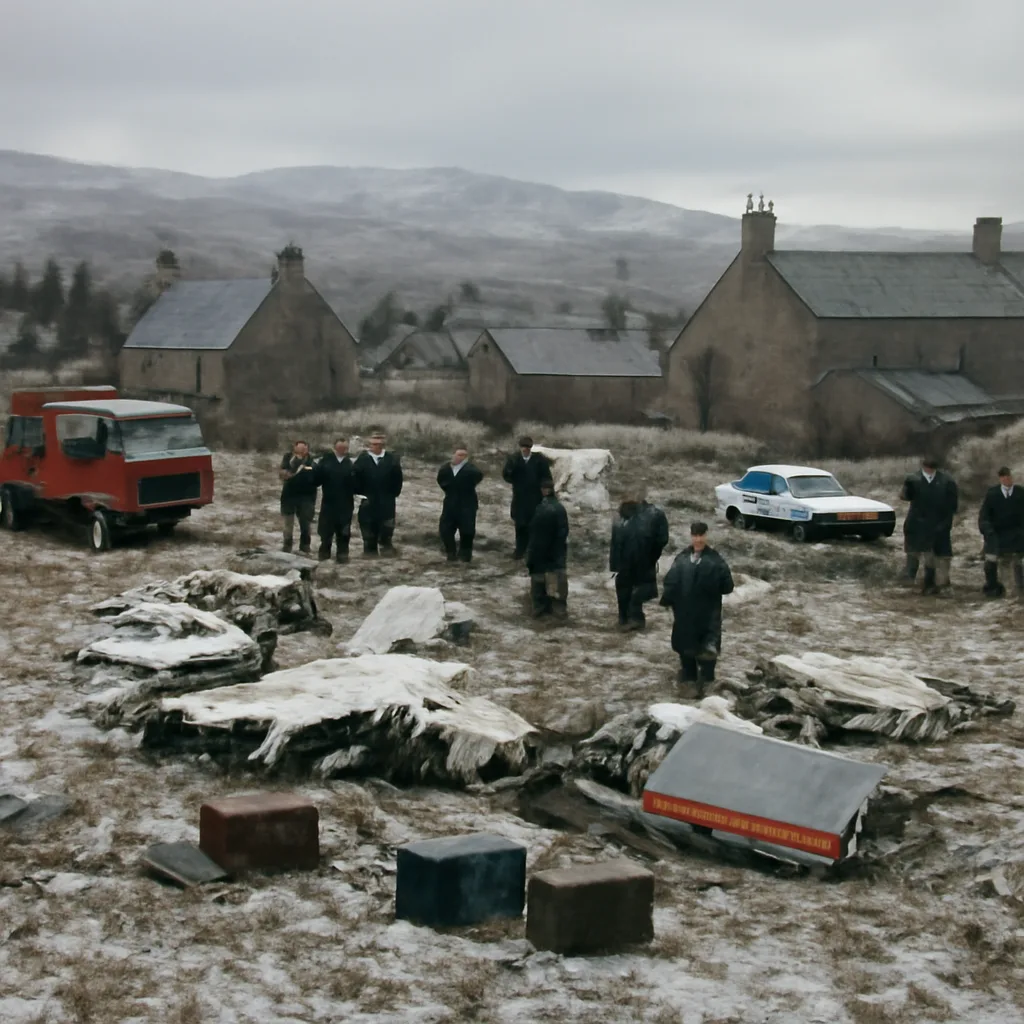
On the morning of December 21, 1988, Pan Am Flight 103, a Boeing 747-121 operating a transatlantic service from London Heathrow to New York JFK, broke apart in flight and crashed into the town of Lockerbie (Dumfries and Galloway), Scotland. The explosion killed all 259 passengers and crew aboard and 11 residents in Lockerbie, bringing the immediate death toll to 270. Large sections of the aircraft and wreckage scattered across a wide rural area, causing fires and extensive damage to homes.
The investigation was one of the largest and most complex in aviation history. Early inquiries established that the aircraft had been brought down by an improvised explosive device hidden inside a piece of luggage placed on the aircraft via an interline transfer. Investigators from the UK, the United States, and other countries collaborated under the lead of the Dumfries and Galloway Constabulary and the U.S. Federal Aviation Administration, alongside forensic teams that reconstructed portions of the aircraft to trace the origin of the blast.
For years, attention focused on Libyan intelligence services. In 1991, the United Nations Security Council imposed sanctions on Libya after it failed to hand over two suspects. In 1999, following prolonged negotiations, Libya handed over Abdelbaset al-Megrahi and Lamin Khalifah Fhimah to stand trial under Scottish law in a specially convened court in the Netherlands. In 2001 a Scottish court sitting in Camp Zeist convicted Abdelbaset al-Megrahi of 270 counts of murder and acquitted Fhimah. Megrahi was sentenced to life imprisonment with a minimum term recommended by the court, though legal and political controversies continued.
The case remained contentious. Libya long denied official responsibility. In 2003 Libya accepted responsibility for the actions of its officials and agreed to pay compensation to the victims’ families, while still denying that the Libyan government had ordered the attack. International and independent observers, family members of victims, and some legal analysts disputed aspects of the investigation, evidence, and the fairness of procedures. Over time, calls persisted for further review of the evidence. In 2009, Megrahi was released from Scottish prison on compassionate grounds because of a terminal illness, a decision that provoked strong reactions worldwide; he returned to Libya and died in 2012.
The Lockerbie bombing had wide-ranging consequences. It prompted changes in aviation security, particularly regarding baggage screening, the tracking of interline luggage transfers, and the adoption of new international procedures to reduce the risk of concealed explosive devices. The attack also had diplomatic repercussions, contributing to sanctions against Libya through much of the 1990s and affecting international counterterrorism cooperation.
Remembrance of the victims has continued through memorials in Lockerbie, at Heathrow, and in the United States, as well as through ongoing efforts by families and advocacy groups to keep public attention on unresolved questions about the case. While significant portions of the investigative record are public, debates over specific evidentiary issues and whether all responsible parties were held to account have meant the event remains a subject of legal, political, and historical scrutiny.