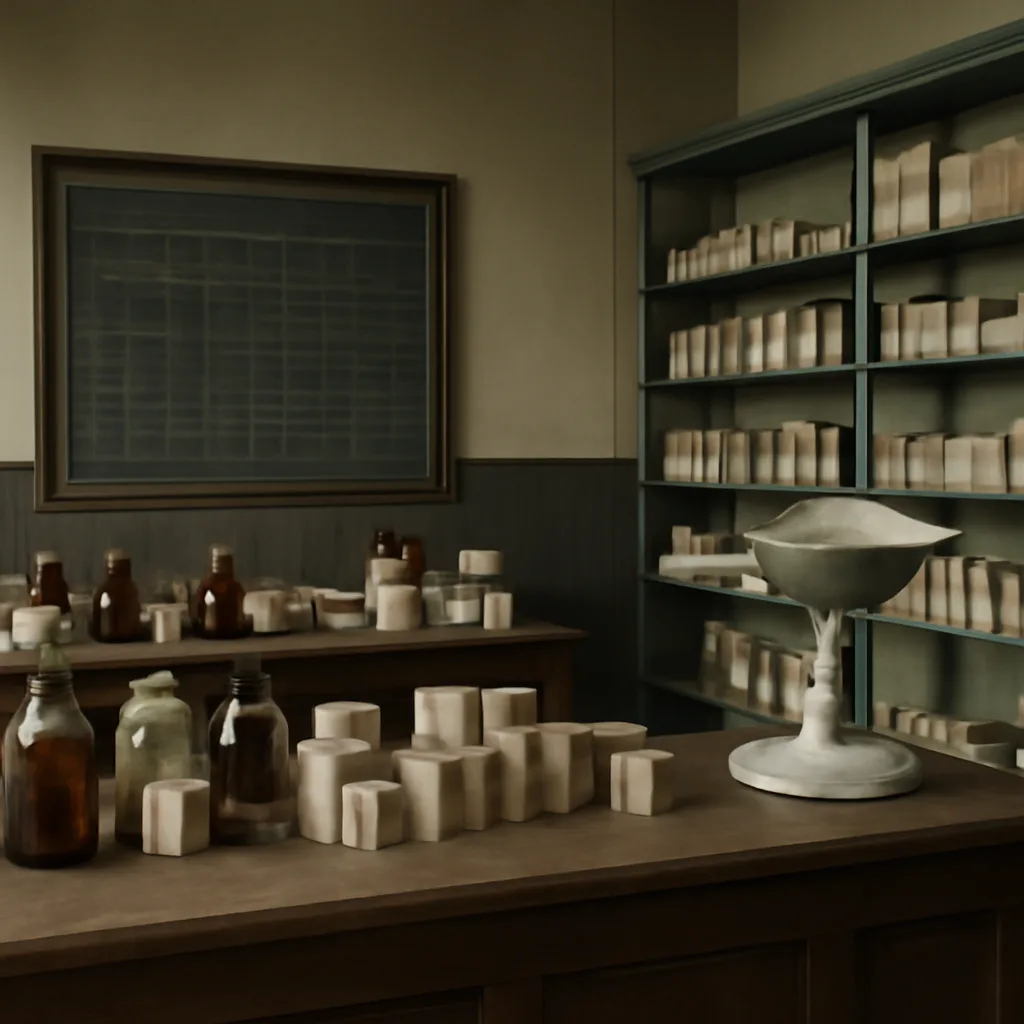
1947 report links deaths to counterfeit medicine for first time
On June 22, 1947, authorities reported what is widely described as the first documented mass deaths attributed to counterfeit medicine—raising early postwar concerns about drug quality, regulation, and criminal manufacture.
On June 22, 1947, health officials and press reports identified a cluster of deaths tied to counterfeit pharmaceuticals, marking the first widely reported case in which counterfeit medicine was blamed for fatalities. The incident occurred in the immediate post‑World War II period, when disrupted supply chains, shortages of raw materials, and an expanding pharmaceutical market created vulnerabilities that counterfeiters could exploit.
Contemporary reporting and later historical accounts describe victims presenting with severe poisoning symptoms after taking tablets or tonics that had been purchased through ordinary commercial channels. Investigations at the time found that the implicated products did not contain the claimed active ingredients or contained harmful substitutes and contaminants. While recordkeeping and forensic capabilities were more limited in 1947 than today, medical examiners and public health authorities concluded that the spurious composition of the products was the likely cause of the deaths.
The episode drew attention to multiple systemic problems. Wartime and immediate postwar disruptions had left regulatory agencies underresourced and drug supply networks attenuated. Packaging and labeling standards varied widely between manufacturers and countries, making it easier for illicit operators to introduce look‑alike products. In addition, consumer demand for scarce medicines and tonics meant that sellers and middlemen sometimes handled products whose provenance was unclear.
Responses included criminal inquiries, recalls of suspect lots where possible, and calls for stronger oversight of pharmaceutical manufacturing and distribution. The case contributed to early efforts to tighten controls, standardize labeling and testing, and improve international cooperation on drug quality. It also fed public debate about the responsibilities of manufacturers, pharmacists, and regulators to ensure safe medicines.
Historians caution that this 1947 incident should be situated within a longer history of adulterated and fraudulent remedies. Prior centuries saw many examples of harmful or ineffective “patent medicines,” and isolated cases of contaminated or improperly manufactured medicines occurred earlier than 1947. What distinguishes the 1947 reports is that investigators at the time linked deaths specifically to what they described as counterfeit medicines—products intended to imitate legitimate pharmaceuticals or marketed under false pretenses—rather than to general contamination or poor manufacturing practices.
Because contemporaneous forensic methods were limited and some records are incomplete, aspects of the 1947 investigations remain debated among researchers. Exact numbers of victims, the identities of all responsible parties, and certain supply‑chain details are not universally agreed upon in secondary accounts. Nonetheless, the episode is commonly cited in public‑health histories as a catalytic moment that underscored the lethal risks of falsified medicines and helped spur mid‑20th‑century reforms in drug regulation.
The legacy of the 1947 case is twofold. It highlighted the human cost of inadequate oversight and the ease with which harmful products can enter commerce during times of disruption. It also helped mobilize technical and legal improvements—better assays for verifying active ingredients, more rigorous manufacturing standards, and stronger penalties for fraudulent production—that underpin later advances in medicine safety. These measures have been repeatedly tested in subsequent decades whenever shortages, conflict, or criminal networks have enabled new waves of counterfeit or falsified medicines, showing the enduring relevance of the lessons first emphasized in 1947.