
06/13/1995 • 4 views
France Conducts Nuclear Test in South Pacific, 13 June 1995
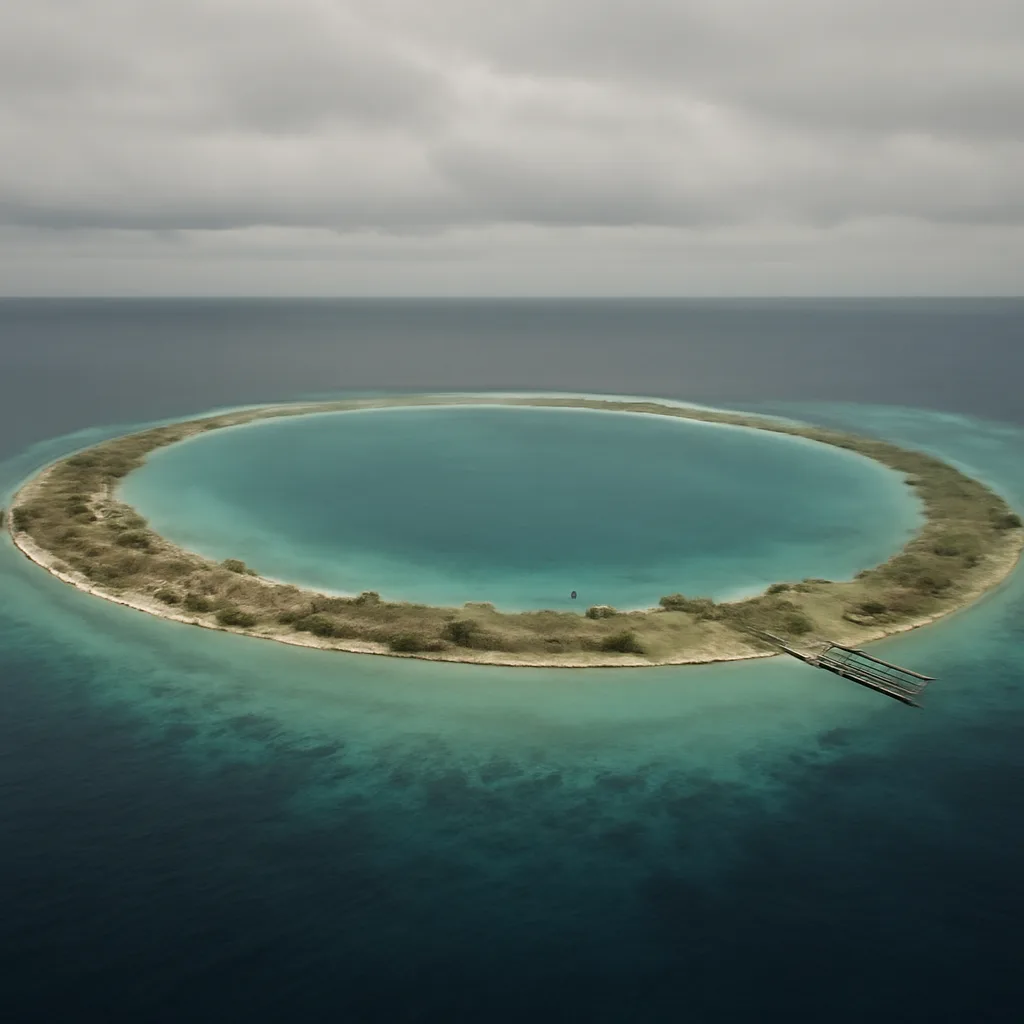
On 13 June 1995 France detonated a nuclear device in the South Pacific as part of its nuclear testing programme at the Mururoa atoll, renewing international protest and intensifying debates over nuclear testing and colonial-era test sites.
Background: France began nuclear testing in the Pacific in 1966, moving from sites in the Algerian Sahara to atolls in French Polynesia. Tests at Moruroa and Fangataufa continued for decades under the authority of the French state, used to develop and validate the country’s nuclear arsenal. By the 1990s, many countries and international organizations had called for a moratorium or comprehensive ban on nuclear testing. France had conducted both atmospheric and underground tests; following international pressure and technical changes, later tests were carried out underground to limit radioactive release.
The 1995 tests: In 1995 France announced it would resume nuclear testing after suspending tests for several years. The decision to proceed with further tests at Mururoa drew immediate protests from Pacific nations, environmental groups, and governments worldwide. Demonstrations occurred in Paris and other cities, while several countries publicly condemned the tests and some imposed diplomatic measures. Within French Polynesia, local leaders and residents expressed concern about potential health and environmental consequences, though information and assessments about long-term effects were contested and remain subjects of debate.
International reaction: The test heightened tensions in international forums. Pacific Island nations, Australia, and New Zealand were particularly vocal, citing proximity, shared oceanic ecosystems, and the precedent of colonial-era testing. The European Union and the United States expressed concern; some governments balanced criticism with diplomatic ties to France. Non-governmental organizations and scientific bodies criticized the testing on environmental and humanitarian grounds and called for an immediate halt and a move toward a comprehensive test ban treaty.
Aftermath and legacy: The 1995 tests accelerated diplomatic efforts around nuclear testing. France announced the end of its nuclear testing programme in 1996 and later signed the Comprehensive Nuclear-Test-Ban Treaty (CTBT) in 1996, though debates over ratification and verification continued. In subsequent years, attention turned to the health, environmental and social legacies in French Polynesia, including demands for further study, compensation and remediation. French authorities have undertaken some studies and acknowledgement steps, but activists and local groups have continued to press for fuller transparency and assistance.
Historical significance: The 13 June 1995 test is remembered as a late-stage episode in the era of national nuclear testing, occurring when most other nuclear states were moving toward moratoria or treaty-based prohibitions. It underscored tensions between national security policies and growing global norms against nuclear testing, and it reinforced calls for attention to communities affected by decades of tests in colonial or overseas territories.
Notes on sources: This summary is based on historical records of France’s nuclear testing programme, contemporary news reporting and later governmental and scholarly reviews. Specific scientific assessments of environmental and health impacts involve ongoing study and, in some areas, contested conclusions.