
← Back
02/28/1997 • 5 views

CIA Acknowledges Funding Foreign Propaganda Films
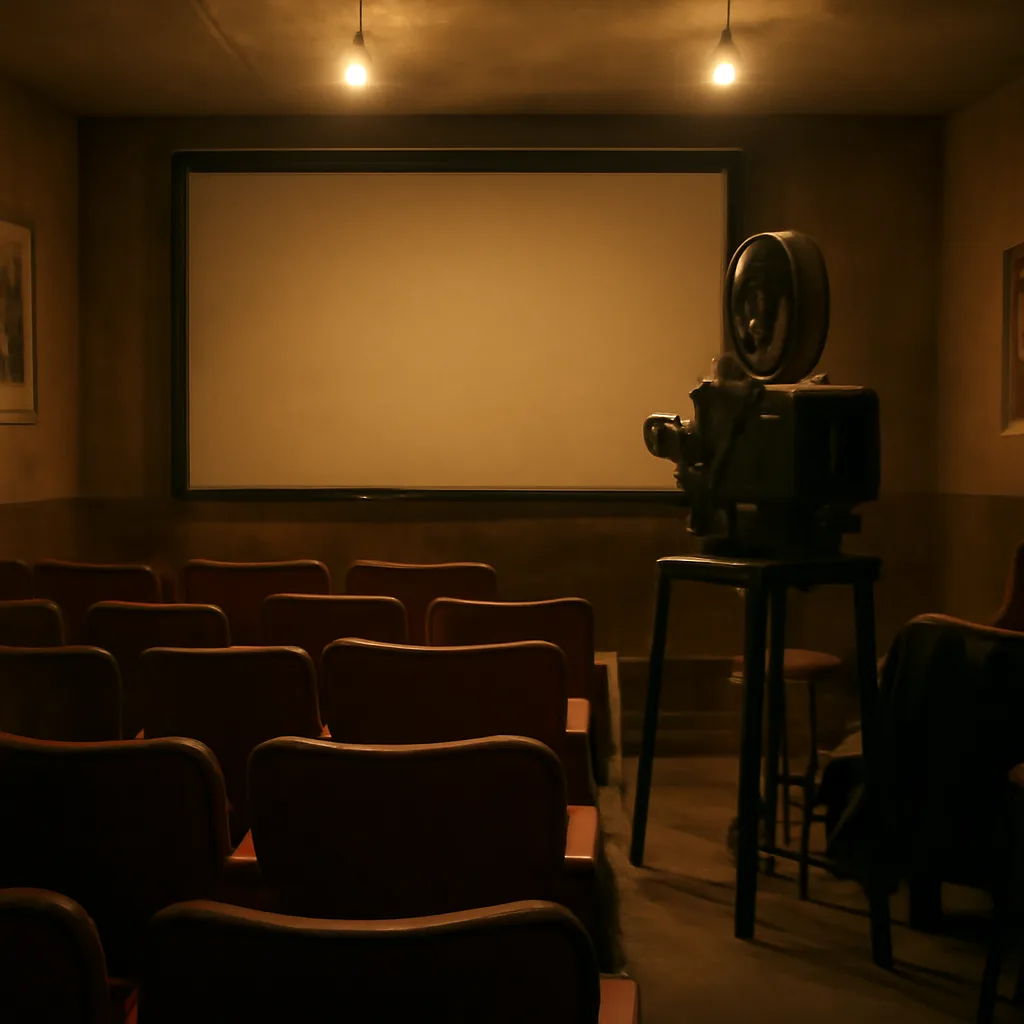
Archive-style scene of a 1960s film screening in a foreign theater—projector, film canisters, and an empty stage—suggesting covert support for cinema during the Cold War.

On Feb. 28, 1997, U.S. government documents and agency officials confirmed that the CIA had secretly funded or supported the production of foreign-language films and cultural projects during the Cold War and afterward as part of psychological operations and public diplomacy efforts.


Background

Throughout the Cold War and into the post–World War II decades, the Central Intelligence Agency engaged in covert cultural programs intended to influence foreign audiences. These activities included support for publications, radio broadcasts, theater, and film. The goal, according to declassified materials and congressional investigations, was to counter Soviet propaganda, promote U.S. perspectives, and bolster friendly governments or movements.

The Feb. 28, 1997 Acknowledgment

On Feb. 28, 1997, the CIA publicly confirmed aspects of that cultural work in response to ongoing media reporting and declassification requests. The agency acknowledged that it had provided funding, logistical help, or other assistance to a number of film and media projects produced outside the United States. The admission was tied to a larger pattern of disclosures about the agency’s covert support for cultural activities dating back to the 1950s and 1960s.

Scope and Methods

Declassified documents and scholarly research show the CIA’s involvement ranged from direct financing to indirect support via foundations and private organizations set up to conceal government ties. The agency sometimes subsidized film productions, festivals, screenings, or distribution channels to ensure that certain narratives reached targeted audiences. In several well-documented instances, funding was routed through nonprofit foundations or shell organizations to avoid overt government attribution.

Notable Context and Examples

Scholars and journalists have traced CIA cultural programs to efforts like the Congress for Cultural Freedom, which sponsored journals and events in Europe, and to covert funding streams that reached artists, critics, and media producers. Specific film titles and the extent of CIA involvement vary in the record; some projects received modest logistical support, while others benefited from larger sums routed indirectly. Because many records remain classified or partially redacted, the full catalog of projects and precise motivations in each case have been the subject of academic study and debate.

Public Reaction and Oversight

The 1997 acknowledgment followed earlier revelations in the 1970s — notably the Church Committee reports — that exposed broad CIA covert actions domestically and abroad and prompted Congressional oversight reforms. Media coverage of the agency’s cultural activities prompted criticism from journalists, artists, and cultural institutions about the ethics of covertly sponsoring art and the distortion of independent cultural life. Defenders argued that such efforts were a form of wartime information policy aimed at competing with Soviet state-sponsored cultural diplomacy.

Limits of the Record

While the CIA confirmed that it had funded or otherwise supported foreign film and cultural projects, the historical record is incomplete. Many primary documents remain classified, and available records are sometimes heavily redacted. As a result, scholars rely on a combination of declassified agency files, memoirs, congressional reports, foundation archives, and contemporary press accounts to reconstruct the programs. Where details remain uncertain or disputed, historians note varying interpretations of intent and impact.

Aftermath and Legacy

The disclosures influenced debates about government funding of the arts, transparency, and the boundaries between public diplomacy and covert action. They also prompted cultural institutions and independent scholars to scrutinize funding sources more closely. In subsequent decades, official cultural diplomacy has generally moved toward more transparent, publicly acknowledged channels, although discussions about influence operations and information campaigns persist in new media environments.

Conclusion

The CIA’s 1997 acknowledgment confirmed a long-standing pattern of covert cultural engagement that included film funding and support for media projects abroad. The episode remains a significant episode in Cold War and post–Cold War histories of propaganda, cultural diplomacy, and the ethics of government-sponsored art. Ongoing archival releases and scholarship continue to refine understanding of the scope and consequences of those activities.

Share this

Email Share on X Facebook Reddit

Did this surprise you?