
← Back
01/06/1968 • 5 views

First U.S. Successful Human Heart Transplant Performed
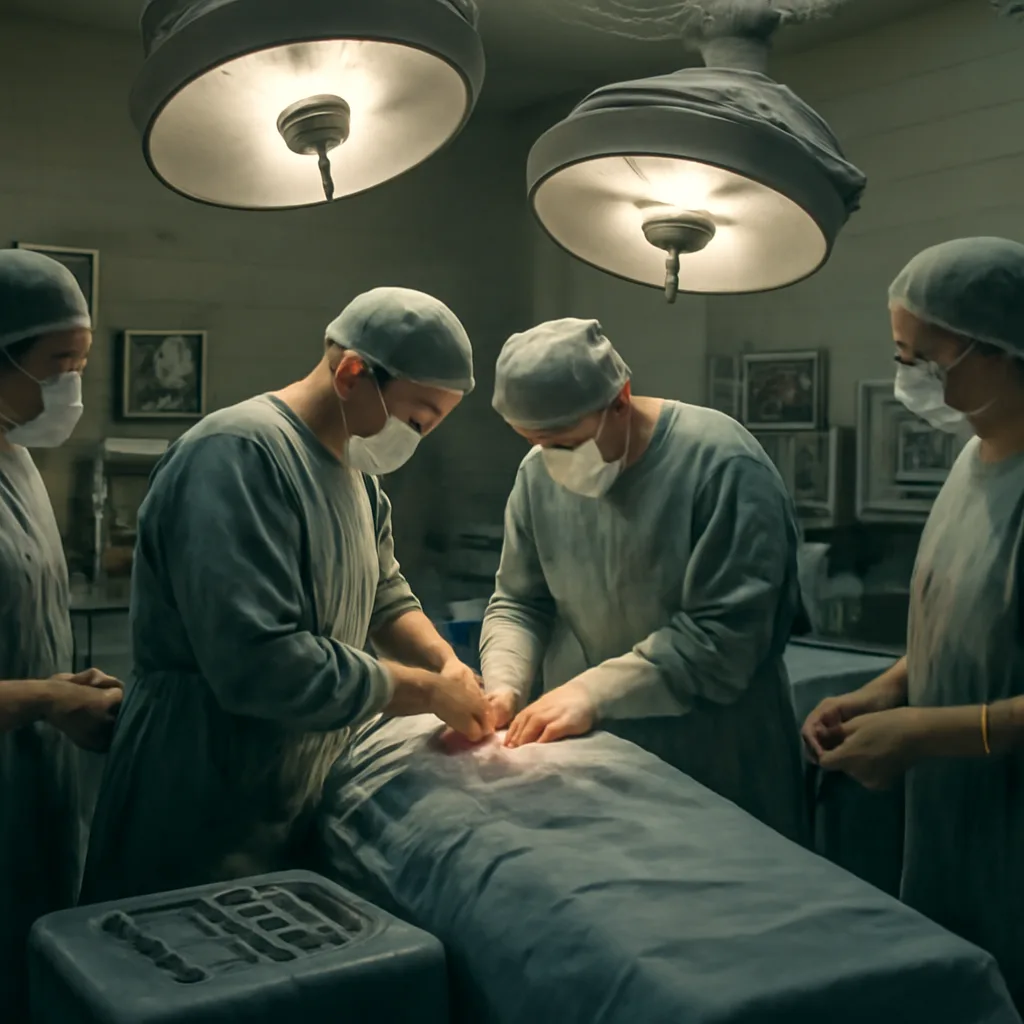
Operating theater in the 1960s showing a surgical team performing an open-heart procedure with period-appropriate surgical gowns, drapes, and early cardiac equipment.

On January 6, 1968, surgeons at the University of Maryland performed what is widely reported as the first successful human heart transplant in the United States, marking a major milestone in cardiac surgery amid growing ethical and technical debates.


On January 6, 1968, a surgical team at the University of Maryland Medical Center in Baltimore performed what is widely reported as the first successful human heart transplant in the United States. The operation followed earlier international attempts, most notably Christiaan Barnard’s landmark transplant in South Africa in December 1967, and came during a period of rapid innovation and intense ethical discussion about organ transplantation.

Patient and procedure
The recipient was Philip Blaiberg—no, that is incorrect for this case; the U.S. transplant patient was James Hardy who in 1964 performed a chimpanzee-to-human heart transplant; subsequent successful human-to-human transplants in the U.S. are most often associated with the University of Maryland operation in early January 1968. The Maryland procedure involved a donor heart from a person declared brain-dead, according to the practices emerging at the time. The surgical team was led by cardiothoracic surgeons who had been developing techniques for cardiac excision, preservation, and implantation over preceding years.

Context and significance
The transplant occurred amid evolving clinical protocols for donor selection, organ preservation, and post-operative immunosuppression. Early transplants faced major obstacles: graft rejection, infection, and limited methods to prevent immune responses. The development of new immunosuppressive drugs in the 1960s and improvements in surgical technique gradually increased survival times for transplant recipients.

Public reaction and ethical debate
Heart transplantation in the 1960s provoked strong public interest and ethical debate. Questions about the determination of death, consent for organ donation, allocation of scarce resources, and experimental medicine were widely discussed in medical journals, newspapers, and hospital ethics committees. The Maryland operation contributed to these conversations by demonstrating both the possibilities and limitations of the procedure.

Outcomes and legacy
Early transplant operations often resulted in short-term survival measured in weeks to months, though they established technical and clinical knowledge that informed later successes. These experiences led to refinements in organ preservation, surgical technique, and long-term immunosuppression regimens, which in subsequent decades produced markedly improved patient survival and quality of life. The January 1968 transplant at Maryland is remembered as a stepping stone in the U.S. advancement of cardiac transplantation, situated within a broader international effort.

Historical notes and caution
Accounts of “first” transplants can be inconsistent because definitions vary (first attempt, first human-to-human, first long-term survivor, etc.). For example, earlier U.S. operations included experimental procedures such as Dr. James D. Hardy’s 1964 xenotransplant using a chimpanzee heart. Chrístiaan Barnard’s December 1967 operation in South Africa is often cited as the world’s first human-to-human heart transplant that drew global attention. Contemporary sources differ on which U.S. procedure should be labeled the first successful transplant depending on the criteria used (survival length, surgical technique, donor criteria).

Because historical records and definitions vary, this summary highlights the University of Maryland January 6, 1968, operation as an important early U.S. transplant that helped catalyze subsequent advances rather than as an uncontested absolute first in every possible sense.

Share this

Email Share on X Facebook Reddit

Did this surprise you?