
06/30/1988 • 5 views
Vatican Quietly Declares Excommunication of Archbishop Marcel Lefebvre
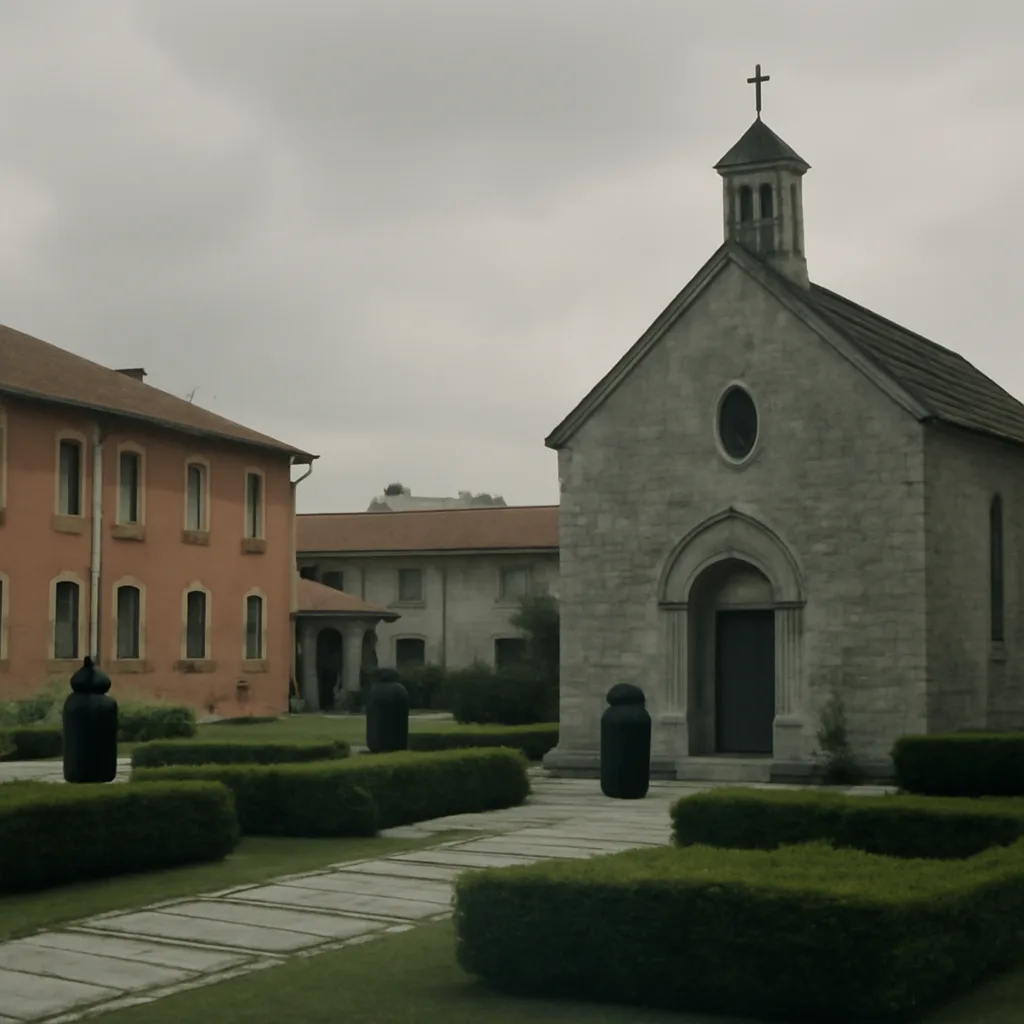
On June 30, 1988, the Vatican declared that Archbishop Marcel Lefebvre and three bishops he consecrated had incurred automatic excommunication for unauthorized episcopal consecrations, marking a major rupture between the Holy See and traditionalist Catholic opponents of Vatican II reforms.
Background
Marcel Lefebvre was a French archbishop and founder of the Society of Saint Pius X (SSPX), established in 1970 as a traditionalist clerical society opposed to certain reforms of the Second Vatican Council (1962–1965), especially changes in liturgy and ecumenical approaches. Over the 1970s and 1980s, Lefebvre and the Vatican engaged in negotiations intended to regularize the status of the SSPX within the Catholic Church. Rome sought assurances that the society would accept the authority of the pope and the doctrinal teachings of Vatican II; Lefebvre sought guarantees preserving the traditional Latin Mass and other pre-conciliar practices.
Immediate events
In the months before the June 1988 consecrations, the Vatican made efforts to prevent a schismatic outcome. On May 5, 1988, Cardinal Joseph Ratzinger (then Prefect of the Congregation for the Doctrine of the Faith) and other curial officials issued communications warning that consecrating bishops without pontifical mandate would be a schismatic act with serious canonical consequences. Lefebvre, asserting an urgent pastoral need to ensure continued traditionalist episcopal succession, proceeded with the consecrations on June 30.
The Vatican response
The Holy See responded by issuing a declaration that those involved in the consecrations had incurred automatic excommunication. The canonical penalty cited was rooted in the requirement that episcopal ordinations obtain a papal mandate; violating that norm was treated as a grave offense against ecclesial unity. The declaration emphasized the seriousness of unauthorized episcopal acts and framed the measure as a juridical consequence rather than a personal condemnation of the individuals’ faith.
Reactions and consequences
The excommunications deepened the division between Lefebvre’s followers and the Holy See. Lefebvre and many within the SSPX viewed the consecrations as necessary to preserve Catholic tradition and episcopal ministry in the face of what they considered widespread doctrinal and liturgical departures. Supporters depicted the Vatican’s action as politically and pastorally misguided. The Vatican and many bishops, by contrast, stressed the importance of canonical order and communion with the pope.
Over subsequent decades, the canonical status of Lefebvre’s movement remained a point of negotiation and controversy. Some diocesan bishops and local faithful maintained informal pastoral contact with SSPX priests, while Rome pursued doctrinal discussions aimed at possible reconciliation. In 2009 Pope Benedict XVI lifted certain restrictions allowing priests of the SSPX to validly and licitly hear confessions in the context of sacramental pastoral needs, and in later years the Holy See continued doctrinal talks with the society’s representatives. However, the 1988 consecrations and resulting penalties continued to symbolize a rupture whose legacy shaped relations between traditionalist groups and the post-conciliar Church.
Historical assessment
Scholars and Church officials generally treat the 1988 events as a canonical and pastoral crisis stemming from deeper theological and liturgical disagreements that followed Vatican II. While the precise legal categorization and pastoral handling have been debated, the factual sequence—Lefebvre’s unauthorized consecrations on June 30, 1988, and the Vatican’s declaration that those acts incurred excommunication—remains well documented in Vatican statements and contemporary reporting. The episode highlights tensions between efforts to preserve tradition and the Church’s institutional norms governing episcopal ministry and unity in the years after the council.