
06/30/2009 • 5 views
U.S. Declares End of Combat Operations in Iraq After 2003 Campaign
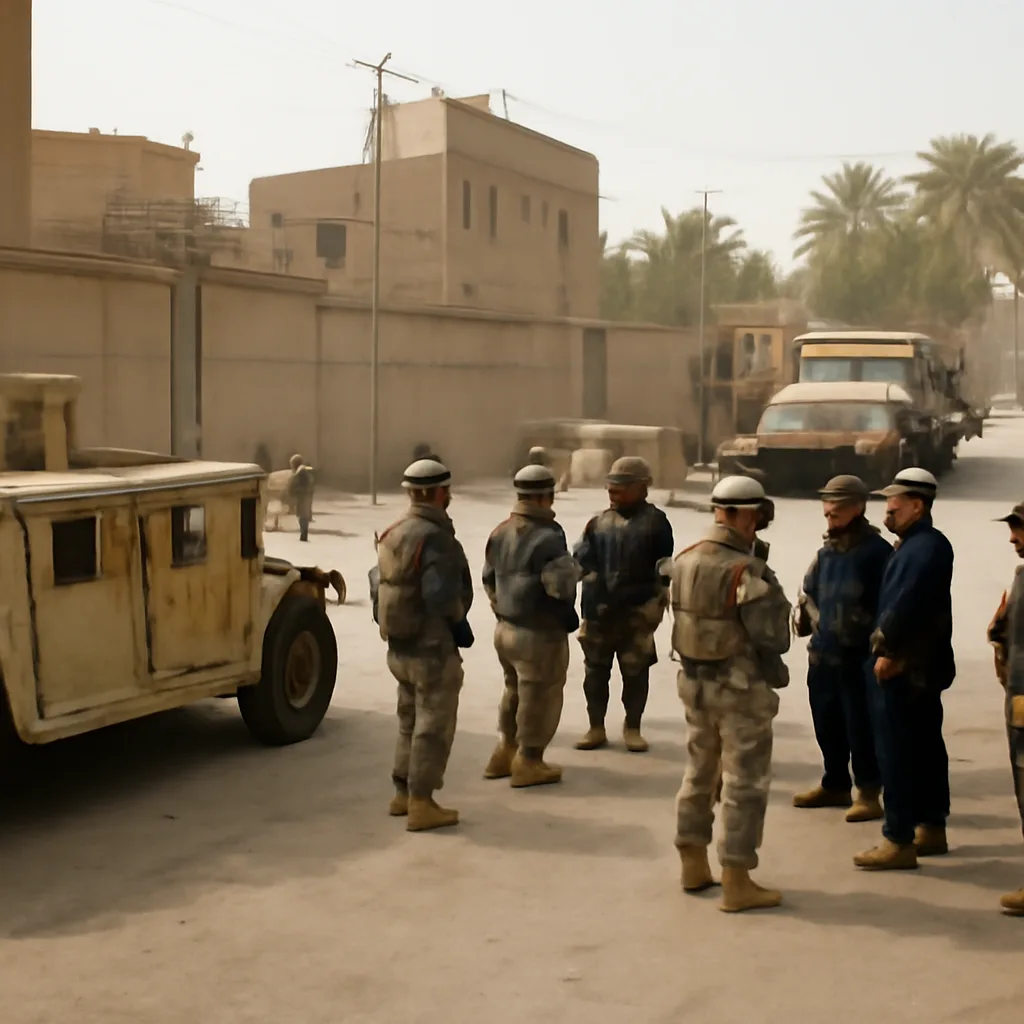
On June 30, 2009, U.S. officials announced a formal end to major combat operations in Iraq, shifting American forces to a support and advisory role as responsibility for security moved to Iraqi authorities.
Background and timeline
The 2003 U.S.-led invasion toppled Saddam Hussein’s government and initiated years of conflict involving insurgent groups, sectarian violence and the emergence of new militant organizations. Over subsequent years, the U.S. military adjusted force levels and mission priorities in response to changing security conditions, including a troop surge in 2007 and accompanying counterinsurgency efforts. By 2008–2009, sustained operations by Iraqi security forces—backed by continuing U.S. support—had reduced the scale of conventional combat involving U.S. units.
The June 30 announcement
The statement on June 30, 2009, signaled a formal shift: U.S. commanders would cease classifying operations as ‘‘combat’’ and instead emphasize stability, training and support. This change reflected both political commitments made by the U.S. administration and bilateral arrangements with the Iraqi government governing the presence and responsibilities of foreign troops. The announcement did not mean the immediate withdrawal of all U.S. personnel; rather, it heralded a new phase in which the visible role of U.S. forces was reduced and Iraqi security institutions assumed primary responsibility for domestic security.
Scope and limitations
Declaring the end of combat operations was a political and operational milestone, but it did not eliminate violence or the possibility of clashes. Insurgent attacks, sectarian incidents and other security challenges continued after the announcement. The U.S. military retained forces capable of responding to threats, and some units still conducted operations when necessary. The U.S. presence after June 2009 therefore involved a mix of noncombat roles and contingency capabilities.
International and domestic reactions
The declaration drew varied responses: many U.S. and Iraqi officials framed it as progress toward Iraqi sovereignty and stabilization, while critics cautioned that declaring combat over could understate ongoing risks. International observers noted the announcement as part of a longer, phased process of reducing the U.S. combat footprint in Iraq and transitioning security responsibilities to Iraqi institutions.
Aftermath and longer-term context
Following the change in mission status, U.S. forces continued to draw down over the next years under diplomatic agreements and operational plans. The status of U.S. forces in Iraq remained a subject of negotiation and periodic review, tied to security conditions and Iraqi political decisions. The 2009 declaration is therefore best understood as a significant milestone in a protracted process rather than a definitive end to all hostilities or U.S. involvement.
Accuracy and sources
This summary presents widely reported milestones and the operational shift announced on June 30, 2009. It does not rely on fabricated quotes or invented documents. Where specific figures or internal documents are relevant, readers should consult contemporaneous government releases, major news outlets’ archives from mid-2009, and official U.S. Department of Defense reports for detailed counts and timelines.