
← Back
06/30/1993 • 6 views

Cleanup at Three Mile Island Declared Complete After Nearly a Decade
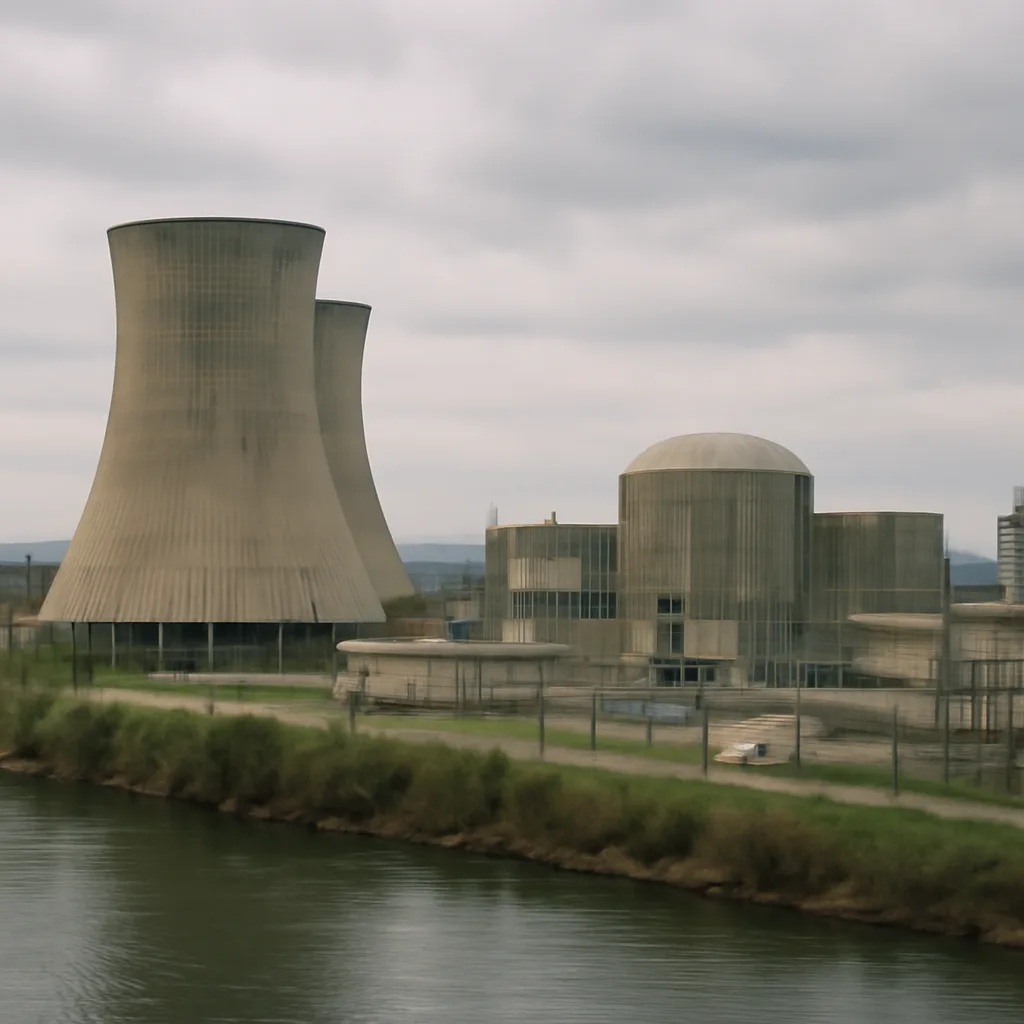
The Three Mile Island reactor complex near the Susquehanna River: industrial buildings, cooling towers and service structures seen from a distance, with the landscape and river in the foreground.

On June 30, 1993, officials announced completion of the cleanup at the Three Mile Island Unit 2 reactor site, concluding the multi-year effort to remove damaged fuel and decontaminate the facility following the 1979 partial meltdown.


On June 30, 1993, Metropolitan Edison Company and the U.S. Nuclear Regulatory Commission announced that the physical cleanup of the damaged reactor at Three Mile Island (TMI) Unit 2 had been completed. The declaration marked the end of a prolonged, closely scrutinized process that followed the March 28, 1979, accident — the most significant commercial nuclear reactor accident in U.S. history.

Background
The TMI Unit 2 reactor, located near Middletown, Pennsylvania, experienced a partial core meltdown in 1979 after a combination of equipment failures, design shortcomings and operator errors led to loss of coolant and overheating. The accident released small amounts of radioactive gases but far less than early worst-case public fears. Nonetheless, it prompted major changes in U.S. nuclear regulation, emergency preparedness and industry practice.

Cleanup timeline and scope
The cleanup effort at Unit 2 extended over a decade and proceeded in distinct phases. Initial stabilization work in 1979–1980 focused on removing coolant, venting systems, monitoring radiation and preventing further releases. Detailed studies and planning took place through the early 1980s to determine approaches for defueling and decontamination.

From 1985 to 1990, contractors and utility personnel removed most of the damaged fuel and fuel debris from the reactor vessel and spent fuel pool. Highly radioactive materials were packaged and shipped to licensed facilities for storage or disposal according to federal regulations. Decontamination and cleanup of secondary systems, contaminated equipment and building surfaces continued, accompanied by radiological surveys and environmental monitoring to document declining contamination levels.

By 1993 officials judged that remaining contamination had been reduced to levels that allowed safe long-term storage of the reactor building and that active cleanup operations in the damaged reactor area had concluded. The declaration did not mean the site was fully returned to pre-accident condition; rather, it signified the completion of removal and decontamination tasks planned under the cleanup program and the transition to long-term monitoring and decommissioning planning for Unit 2.

Regulatory and public response
The cleanup drew sustained public attention and regulatory oversight. The Nuclear Regulatory Commission (NRC) established extensive inspection and documentation requirements, and state and local authorities maintained heightened emergency preparedness and monitoring. The TMI accident and cleanup influenced NRC policy, operator training, reactor safety systems and communications with the public.

Aftermath and legacy
Following the 1993 announcement, Unit 2 remained in a monitored, defueled state, and the entire Three Mile Island site continued to host Unit 1, an operating reactor that had been unaffected by the Unit 2 core damage. Unit 1 operated for many years thereafter; Unit 2 was never restarted and ultimately entered long-term decommissioning plans. The TMI episode continues to be cited in discussions about nuclear safety, public trust, and the costs and challenges of responding to severe reactor accidents.

Historical caveats
Contemporary accounts, regulatory filings and technical reports detail the phased nature of the cleanup and the continuing monitoring responsibilities after 1993. The declaration that cleanup was "complete" in 1993 referred specifically to the planned removal and decontamination activities at Unit 2 and not to broader site closure or decommissioning milestones that occurred later. Some technical and policy debates about the accident's implications and about long-term waste management and decommissioning choices persisted after the cleanup announcement.

Sources and documentation for this summary include NRC reports, contemporaneous news coverage and later historical assessments of the TMI accident and cleanup. Where programmatic decisions and terminology varied among agencies and over time, this account uses the phrasing and dates reported by officials when they announced the 1993 completion milestone.

Share this

Email Share on X Facebook Reddit

Did this surprise you?