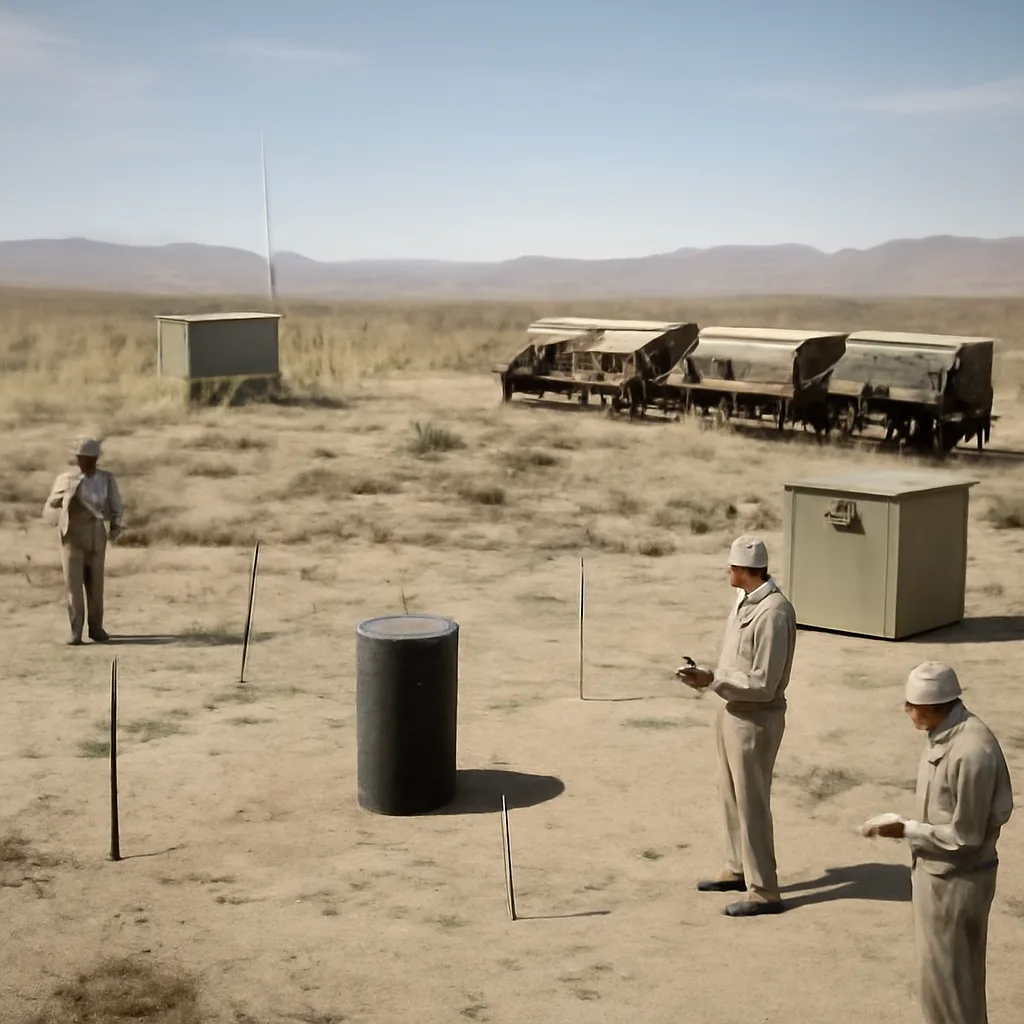
U.S. Conducts Underground Nuclear Test on August 17, 1962
On August 17, 1962, the United States detonated a nuclear device underground as part of its Cold War testing program, continuing a series of subsurface tests designed to limit atmospheric fallout while evaluating weapon designs and effects.
On August 17, 1962, the United States carried out an underground nuclear detonation as part of its ongoing weapons testing program during the Cold War. By this time, atmospheric testing had become politically and publicly contentious; in 1963 the Limited Test Ban Treaty would prohibit nuclear explosions in the atmosphere, in outer space and under water. Underground testing was therefore increasingly used to reduce radioactive fallout while allowing continued development and assessment of nuclear warheads, delivery systems and related technologies.
The test on August 17, 1962, took place within the broader U.S. series of nuclear tests conducted in the late 1950s and early 1960s. Most U.S. underground tests during this period were conducted at the Nevada Test Site (now the Nevada National Security Site) and at various locations in the Pacific Proving Grounds. Underground detonations involved emplacement of the device in a shaft or tunnel, stemming (sealing) of the emplacement point, and instrumentation to record seismic, radiological and weapons-performance data.
Underground testing aimed to measure yield, evaluate weapon design changes, and study effects such as seismic signals and ground shock. Compared with atmospheric tests, subsurface detonations greatly reduced direct airborne dispersal of radioactive debris, though venting—unintended release of gases and particulates to the surface—remained a risk. Test programs included precautions and monitoring to detect and quantify any surface release and to study containment effectiveness.
Records from the era include technical test reports, Department of Defense and Atomic Energy Commission documentation, and later historical and declassified materials that describe locations, yields and objectives for many individual shots. Details for specific tests can vary in publicly available sources: some test names, precise yields or exact emplacement configurations are documented in declassified archives, while other particulars remained restricted for years and in some cases were revised as records were released.
The August 1962 underground detonation should be understood in that context: as part of systematic testing to ensure reliability and effectiveness of the United States’ nuclear arsenal amid strategic competition with the Soviet Union. The test preceded the 1963 Partial Nuclear Test Ban Treaty, which significantly curtailed atmospheric testing but permitted underground explosions that did not cause radioactive debris to cross national borders.
Historical assessments note both technical achievements and environmental and health concerns associated with nuclear testing. Even underground tests produced local contamination and contributed to long-term environmental impacts in and around test sites. Declassified health and environmental studies, veterans’ accounts, and ongoing site remediation efforts have documented these consequences and informed compensation and cleanup programs in subsequent decades.
For those researching this test specifically, primary sources include declassified government test logs, scientific publications from national laboratories, and archival collections maintained by U.S. federal agencies. Secondary sources include histories of the U.S. nuclear weapons program and scholarly analyses of Cold War arms testing. Where specific technical details or site identifications are disputed or remain classified in some records, researchers should consult multiple declassified documents and archival catalogs to verify particulars.