
← Back
02/21/1743 • 6 views

Debating the Earliest Documented Case of Spontaneous Human Combustion (1743)
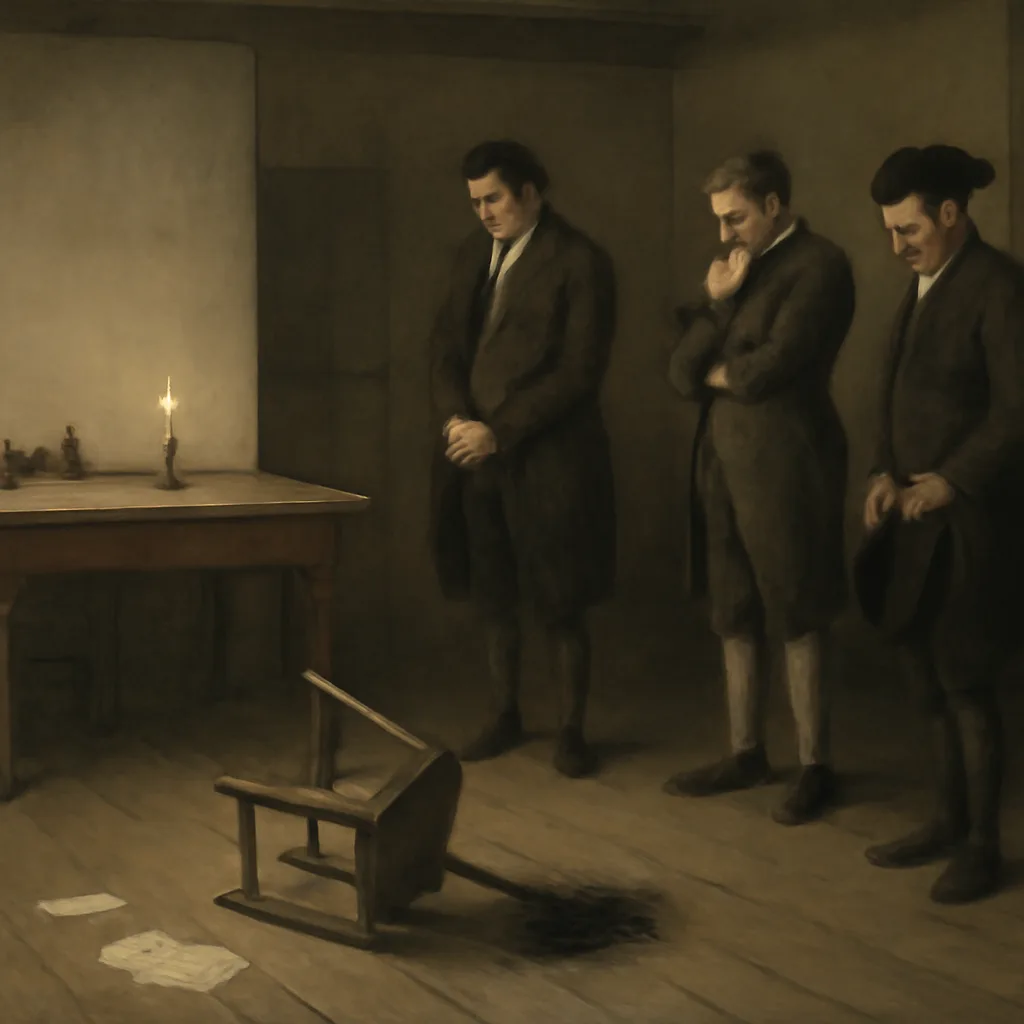
An 18th-century interior showing a modestly furnished room with a charred area on the floor and investigators in period dress examining the scene; no identifiable faces.

A 1743 medical report of a charred corpse has long been cited as the first documented case of spontaneous human combustion; historians and scientists dispute the cause, with explanations ranging from accidental ignition to misinterpreted forensic evidence.


On 21 February 1743 a report circulated in medical circles describing a death that would later be invoked as an early instance of spontaneous human combustion (SHC). The case, often linked to accounts published in 18th- and 19th-century periodicals, described a heavily burned body found in circumstances that contemporaries found puzzling. Over the following centuries the event has been repeatedly cited by proponents of SHC and scrutinized by skeptics and forensic historians alike.

What the contemporaneous record shows

Primary documentation from 1743 is limited to brief medical and newspaper notices rather than a full modern forensic report. Those notices described a body that had been substantially burned while surrounding materials remained relatively intact — a detail that later commentators emphasized. The original accounts did not use the modern phrase "spontaneous human combustion"; that expression was coined later as writers and popularizers grouped such incidents together as a peculiar phenomenon.

Why the case attracted attention

Two features made the 1743 notice notable to later readers: the apparent disparity between the degree of damage to the corpse and the limited burning of nearby objects, and a lack of an immediately apparent external ignition source in descriptions available to later commentators. In an era before modern fire investigation and toxicology, these ambiguities invited speculation. By the 19th century, compilations of unusual deaths amplified the case as part of a broader catalogue of SHC incidents.

Modern reassessments and competing explanations

Historians and scientists approaching the 1743 case emphasize the weaknesses of the surviving evidence. The short contemporary notices lack detailed witness statements, scene descriptions, or postmortem examinations by modern standards. As a result, interpretations rely on inference and comparisons with better-documented later cases.

Skeptical explanations offered in modern literature include accidental ignition (for example, a dropped pipe or ember), the "wick effect" (where clothing soaked with body fat sustains a slow, intense burn), and postmortem exposure to external fires. The wick effect is supported by controlled experiments showing that a human body can be consumed in a localized, intense burn while nearby objects are relatively spared. Advocates of SHC as a distinct phenomenon point to cases where no clear external ignition source was reported, but even proponents often acknowledge that weak or lost documentation can leave such conclusions tentative.

Limitations and contested points

The main limitation in assessing the 1743 record is documentary scarcity. Short, secondhand notices are prone to omission and embellishment when retold. Additionally, 18th-century reporting practices and understandings of fire behavior differ markedly from modern forensic methods, making retrospective diagnosis difficult. Some historians caution against treating the 1743 notice as a definitive proof of any single cause; instead, they recommend situating it within a wider pattern of poorly documented, combustible deaths from the period.

Why the debate matters

The 1743 case illustrates how gaps in historical evidence can produce enduring puzzles. It also shows how scientific advances — in fire dynamics, chemistry, and forensic medicine — change how researchers interpret past events. Whether viewed as an early example of SHC, a misinterpreted accidental death, or an instance where a plausible explanation cannot be reconstructed from surviving sources, the 1743 notice remains a focal point for discussions about evidence, inference, and the limits of historical certainty.

Conclusion

The event dated 21 February 1743 is best described as an early, ambiguous report of a death later associated with spontaneous human combustion. Surviving records are too sparse to support a definitive causal claim. Scholars continue to debate the case, generally converging on the view that the original notice is intriguing but insufficiently documented to establish SHC as the only or most likely explanation.

Share this

Email Share on X Facebook Reddit

Did this surprise you?