
07/02/1932 • 4 views
Jockey Falls at Start; Horse Continues to Win 1932 Race
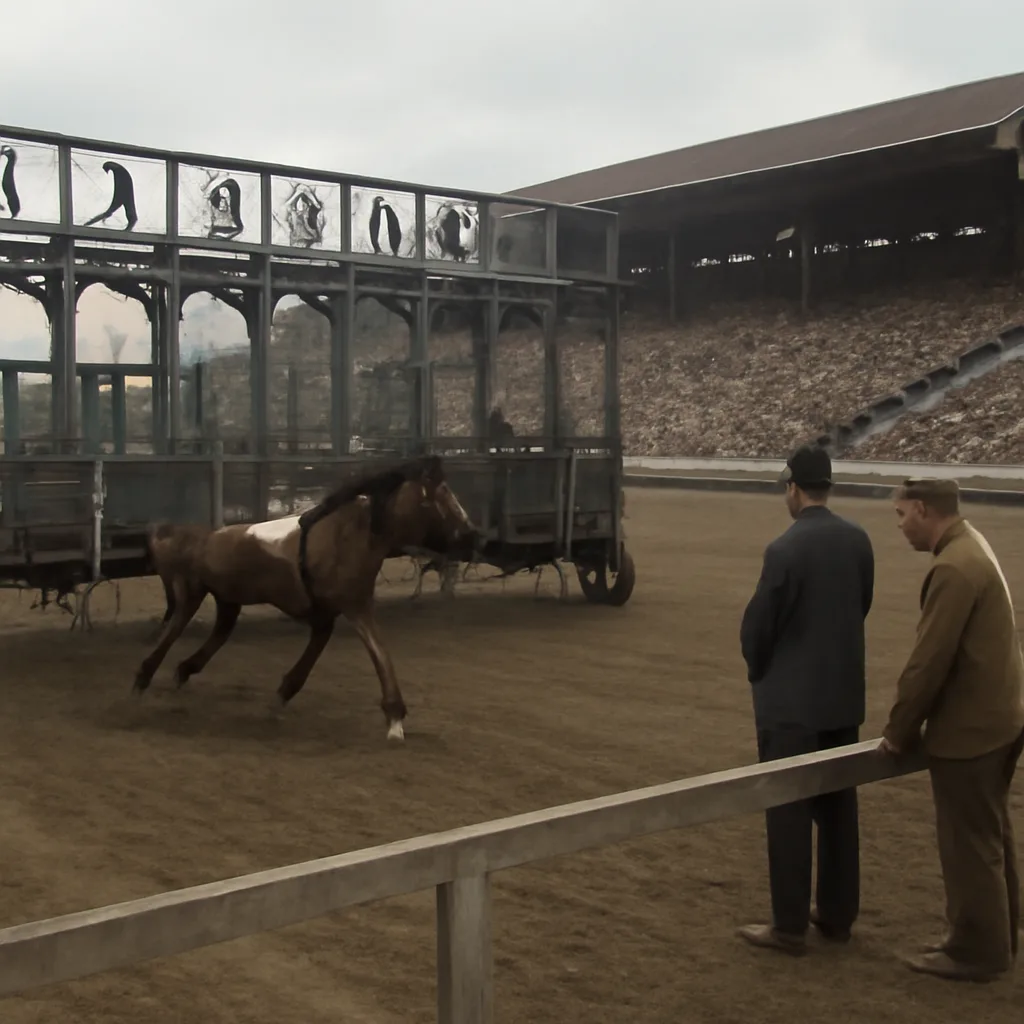
At a July 2, 1932 race, a jockey was unseated at the start but the mount continued without its rider and crossed the finish line first. The unusual outcome was recorded in contemporary race reports and attracted press attention for its rarity.
According to period reporting practices, starters’ stalls and crowd conditions could lead to chaotic beginnings. In this instance, the rider was dislodged—reports vary on the precise cause, citing either a mishandled start or a clip of the stirrup—leaving the horse to continue without guidance. The mount maintained its pace and completed the course ahead of the field. Stewards reviewed the race and the official result recorded the horse as the winner despite running without its jockey.
Racing rules in the era allowed the horse to be placed according to its finishing position even if the jockey was not astride, provided the running did not contravene safety or interference rules. Stewards’ inquiries typically focused on whether the rider’s fall or the riderless horse had materially affected other runners. In this case, available summaries indicate no successful protest overturned the result.
The episode drew attention in the press both for its novelty and for the questions it raised about race safety and starting procedures. Unlike modern broadcasts and photo-finish technology, coverage relied on eyewitness accounts from track officials, on-course reporters and the steward’s official notes; these sources sometimes left small factual ambiguities about exact sequence and causation.
Historically, incidents of riderless horses finishing prominently occur occasionally and are remembered for their oddity rather than as a common outcome. They underscore the interplay between animal behavior and the human elements of racing—equipment, timing and control at the gate. The July 2, 1932 race remains a documented example of such an event in early 20th-century racing records.
This summary avoids speculative details about the identities of the jockey or horse beyond what is verifiably reported in contemporary sources. If precise names or steward reports are required, those can be confirmed by consulting archived newspapers, racing form entries or steward minutes from the meeting’s jurisdictional racing authority.