
02/16/1999 • 5 views
Vatican Revises Official Exorcism Rites
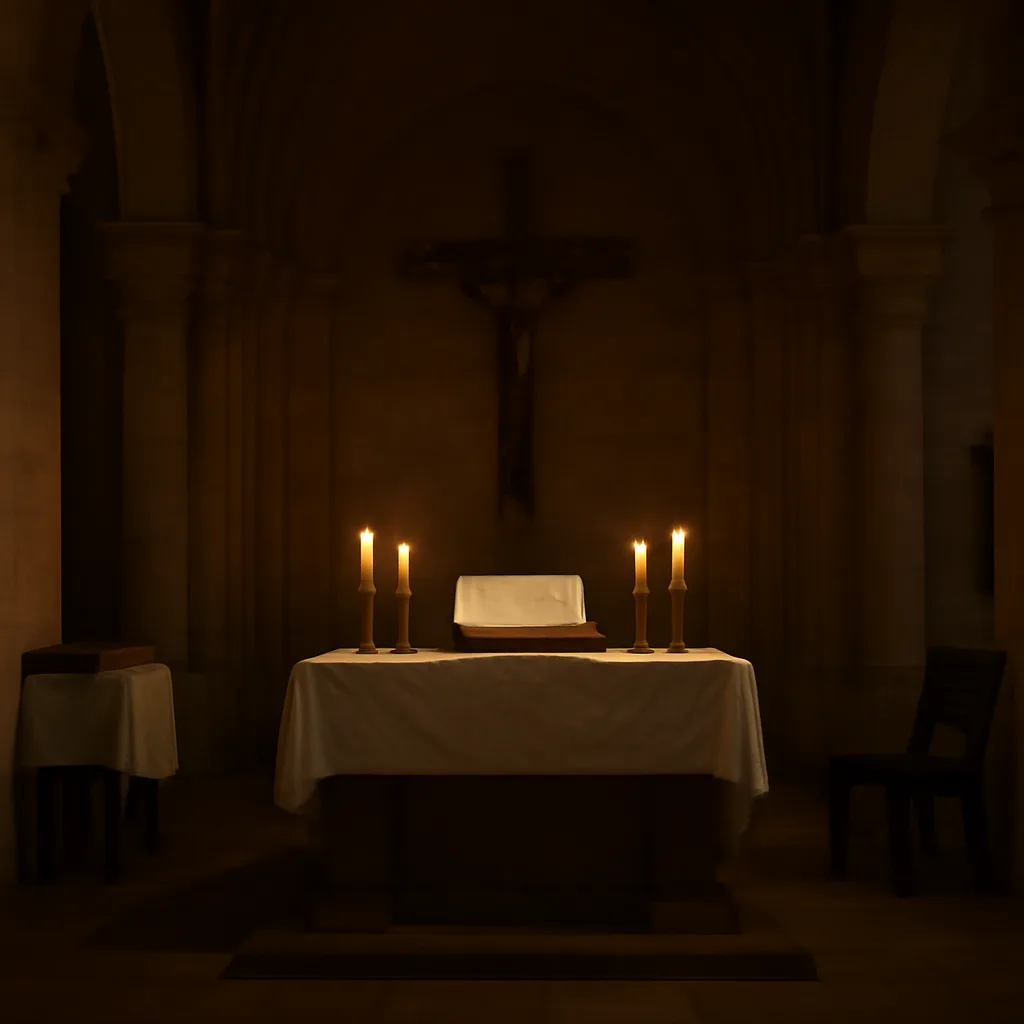
On Feb. 16, 1999, the Vatican issued revisions to its official Rite of Exorcism, updating language and pastoral guidance while reaffirming the Church’s caution in distinguishing medical and psychiatric conditions from cases requiring an exorcist.
Background and purpose
The Church has long maintained a formal rite for exorcism. The 1999 revision did not constitute an entirely new ritual but updated the existing rite used by Catholic exorcists. Its stated purpose was to offer more precise rubrics and pastoral guidance, encourage collaboration with medical and psychological professionals, and ensure that exorcisms be carried out with appropriate authority and caution.
Key features of the 1999 revision
- Language and prayers: The rite’s prayers and formulae were revised for clarity and liturgical language that reflected post‑Conciliar sensibilities. Translations into vernacular languages were encouraged, subject to proper ecclesial approval.
- Pastoral safeguards: The document emphasized that an exorcism should not be used as a substitute for medical diagnosis or psychiatric treatment. It called for consultation with healthcare professionals when symptoms could have natural explanations.
- Ecclesial authority and procedure: Only a priest duly appointed by the local bishop could perform solemn exorcisms, and bishops were advised to establish criteria and oversight for those permitted to exercise this ministry. The rite stressed prudence, pastoral charity and anonymity for those involved when appropriate.
- Use of sacramentals and sacramental law: The revision clarified the use of sacramentals (prayers, blessed objects) within the rite and reiterated their subordinate role to the Church’s sacraments.
Context and reception
The update came amid renewed public interest in exorcism in the late 20th century and ongoing debates within the Church about how to balance traditional practice with modern medical knowledge. Church officials and many scholars framed the revision as an attempt to prevent abuses—such as performing exorcisms on people with treatable medical or psychological conditions—while preserving a pastoral response for cases discerned to involve genuine spiritual affliction.
Some commentators welcomed the emphasis on medical consultation and episcopal oversight; others saw the revision as a reaffirmation of the Church’s continued belief in the reality of demonic influence and an authorization of a controlled pastoral response. The revision did not resolve all disputes over criteria for possession, and individual bishops’ approaches have continued to vary by diocese and cultural context.
Historical continuity
The 1999 revision is part of a long liturgical history: exorcism rites appear in earlier editions of the Rituale Romanum and in rites used by local churches. The revision sought to maintain continuity with that tradition while adapting to contemporary liturgical norms and pastoral needs.
Sources and verification
Primary sources for the facts above are the official liturgical texts and statements issued by the Congregation for Divine Worship and the Discipline of the Sacraments in 1999 and related Church documents on pastoral care and liturgy. Secondary commentary appears in liturgical studies and contemporary reporting from the late 1990s. Where assessments of reception or controversy are noted, they summarize documented debates rather than attributing specific unverified claims to named individuals.
Significance
The 1999 revision underscores the Vatican’s attempt to balance respect for longstanding sacramental and liturgical traditions with increased attention to pastoral prudence and scientific understanding. It remains a reference point for how the Catholic Church officially frames and regulates the ministry of exorcism in the modern era.