
← Back
02/10/1980 • 6 views

Ted Bundy Sentenced to Death in Florida
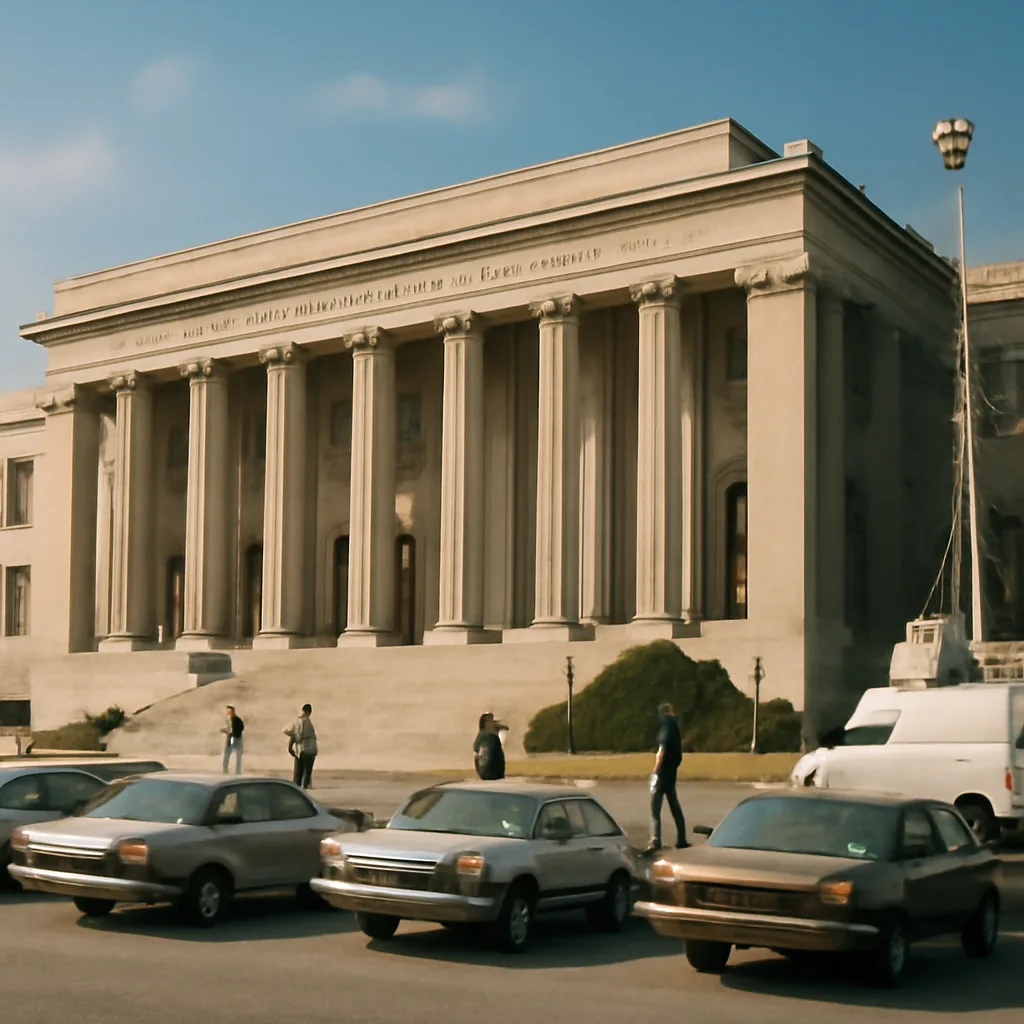
Exterior of a Florida courthouse in 1980, with period-appropriate cars parked outside and small groups of people on the steps; no identifiable faces.

On February 10, 1980, Ted Bundy was formally sentenced to death in Florida for the 1978 murders of Kimberly Leach and other crimes, marking the culmination of one of the most publicized criminal cases in U.S. history.


On February 10, 1980, Theodore Robert Bundy was sentenced to death at a Florida court proceeding following his conviction for the 1978 abduction, sexual assault, and murder of 12-year-old Kimberly Leach and related charges. Bundy—already linked through earlier trials and investigations to a series of murders across several states during the 1970s—had been convicted by a jury that recommended the death penalty, a decision later formalized by the presiding judge.

Background: Bundy had a long, complicated criminal history that unfolded publicly throughout the 1970s. Initially arrested in Florida in 1978 on suspicion of kidnapping, he became the suspect in multiple disappearances and murders that spanned Washington, Oregon, Utah, Colorado, Idaho, and Florida. Bundy escaped custody twice in 1977 before his final capture in 1978. The Florida prosecutions focused on homicides that occurred in that state, including the high-profile Lake City area cases and the abduction of Kimberly Leach from her school in Lake City in February 1978.

Trial and sentencing: The trial that led to the February 1980 sentence emphasized both physical evidence and witness testimony linking Bundy to the Leach homicide and other crimes. Prosecutors sought capital punishment; the jury’s recommendation for death reflected the aggravating factors presented at trial under Florida law. On the sentencing date, the court entered a death sentence consistent with that recommendation. Bundy’s death sentences in Florida followed earlier convictions and numerous investigations in other jurisdictions; his case prompted extensive media coverage and public attention.

Aftermath and litigation: Bundy’s sentencing initiated a lengthy period of appeals and motions, as is common in capital cases. Defense attorneys pursued appeals on multiple grounds over the ensuing years; state and federal courts reviewed various aspects of his convictions and sentences. Bundy continued to attract media scrutiny and public fascination; he also provided information to investigators about additional victims in later interviews. Ultimately, Bundy remained on death row in Florida while his post-conviction proceedings were litigated.

Historical significance: Bundy’s prosecution and sentencing had broader impacts on criminal justice and public perceptions of serial crime in the United States. The case highlighted challenges of coordinating investigations across multiple states, the role of forensic evidence and victim testimony, and debates over capital punishment. Bundy became one of the most notorious American serial killers, and his crimes and legal battles have been the subject of extensive reporting, academic study, and documentary treatments.

Notes on sources and contested details: Precise counts of Bundy’s victims remain subject to ongoing investigation and debate; Bundy confessed to many murders while denying or qualifying others. Dates, locations, and the scope of his crimes are drawn from court records, contemporary reporting, and subsequent investigative work. This summary focuses on the February 10, 1980 sentencing event in Florida and does not attempt to list all alleged victims or every legal action that followed.

Share this

Email Share on X Facebook Reddit

Did this surprise you?