
← Back
02/09/1958 • 5 views

February 9, 1958: First widely reported poltergeist case draws attention
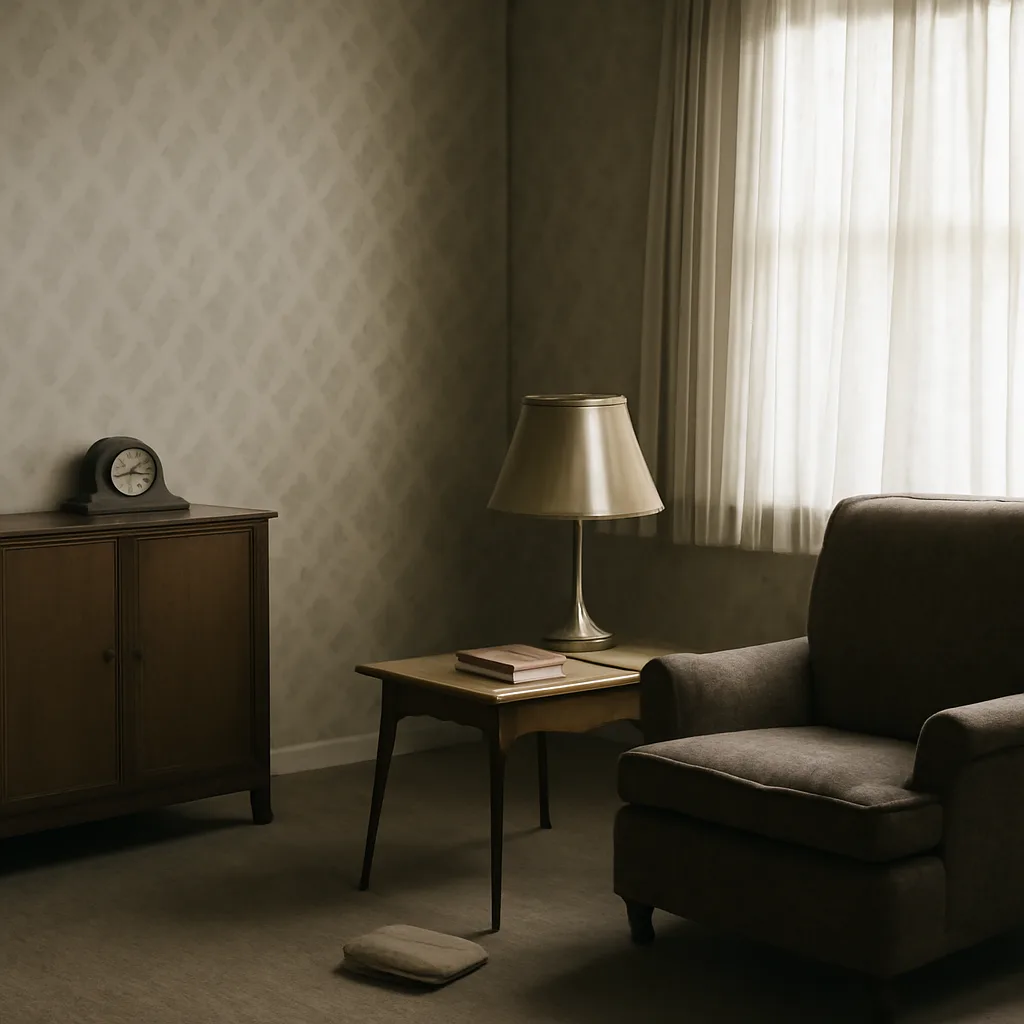
Mid-20th-century suburban interior showing a modest living room with overturned objects and a household ledger on a table, suggesting a scene of disturbance; no identifiable people.

On February 9, 1958, investigators and journalists began documenting what became the first widely publicized case described as poltergeist activity in the English-speaking press — a sequence of unexplained noises, moving objects and physical disturbances centered on a private home. Contemporary accounts mixed observation with skepticism.


On 9 February 1958 a domestic household in the United Kingdom became the focus of sustained media and investigator attention after residents reported repeated noises, objects shifting without obvious cause, and other physical disturbances. Although accounts and interpretations varied, this episode is commonly cited as the first widely reported case identified specifically as poltergeist activity in mid-20th-century English-language sources.

Contemporary reporting described phenomena such as raps and knocks on walls, small objects being displaced, and occasional localized damage. Reports emphasized that the disturbances were concentrated around a small number of household members and that they occurred repeatedly over days to weeks. Journalists who covered the story noted both the unusual nature of the events and the difficulty of verifying them under controlled conditions. Skeptical commentators—ranging from local police to scientific-minded journalists—urged caution, warning that pranks, misperception, or ordinary mechanical causes could account for many observed effects.

Investigators with differing perspectives visited the scene. Some were paranormal researchers who compiled detailed timelines of incidents and interviewed witnesses; others were skeptics who looked for natural explanations. Neither approach produced consensus. Where proponents pointed to timing, patterns, and witnesses’ consistent descriptions as evidence of an unexplained agent, critics highlighted the lack of reproducible phenomena in controlled settings, the potential for suggestion and expectation to shape testimony, and the absence of independently verifiable measurements.

The publicity surrounding the case had several consequences. It stimulated further press coverage of similar domestic disturbances and contributed to the adoption of the term "poltergeist" in popular discourse to describe noisy, object-moving phenomena associated with private homes. The episode also influenced later investigative protocols: researchers increasingly recognized the need for careful documentation, independent observation, and sensitivity to social dynamics within the household.

Historians and researchers examining the 1958 reports stress that the records reflect a mixture of first-hand testimony, editorial framing, and investigative bias. Surviving newspaper articles, investigator notes, and later summaries provide material for study, but they do not offer definitive proof of a paranormal cause. Modern scholarship tends to treat the incident as historically significant for how it shaped public and professional responses to similar claims, rather than as conclusive evidence of a nonphysical agent.

In short, the February 9, 1958 episode remains notable as a formative, widely publicized case in the history of alleged poltergeist phenomena. It illustrates the recurring challenge in such cases: distinguishing between anomalous experience and explanations grounded in human behavior, environmental factors, or reporting practices. Where evidence is ambiguous, historians emphasize careful reading of sources and restraint in drawing extraordinary conclusions.

Share this

Email Share on X Facebook Reddit

Did this surprise you?