
← Back
02/05/1954 • 6 views

First U.S. Murder Trial Broadcast on Television Begins
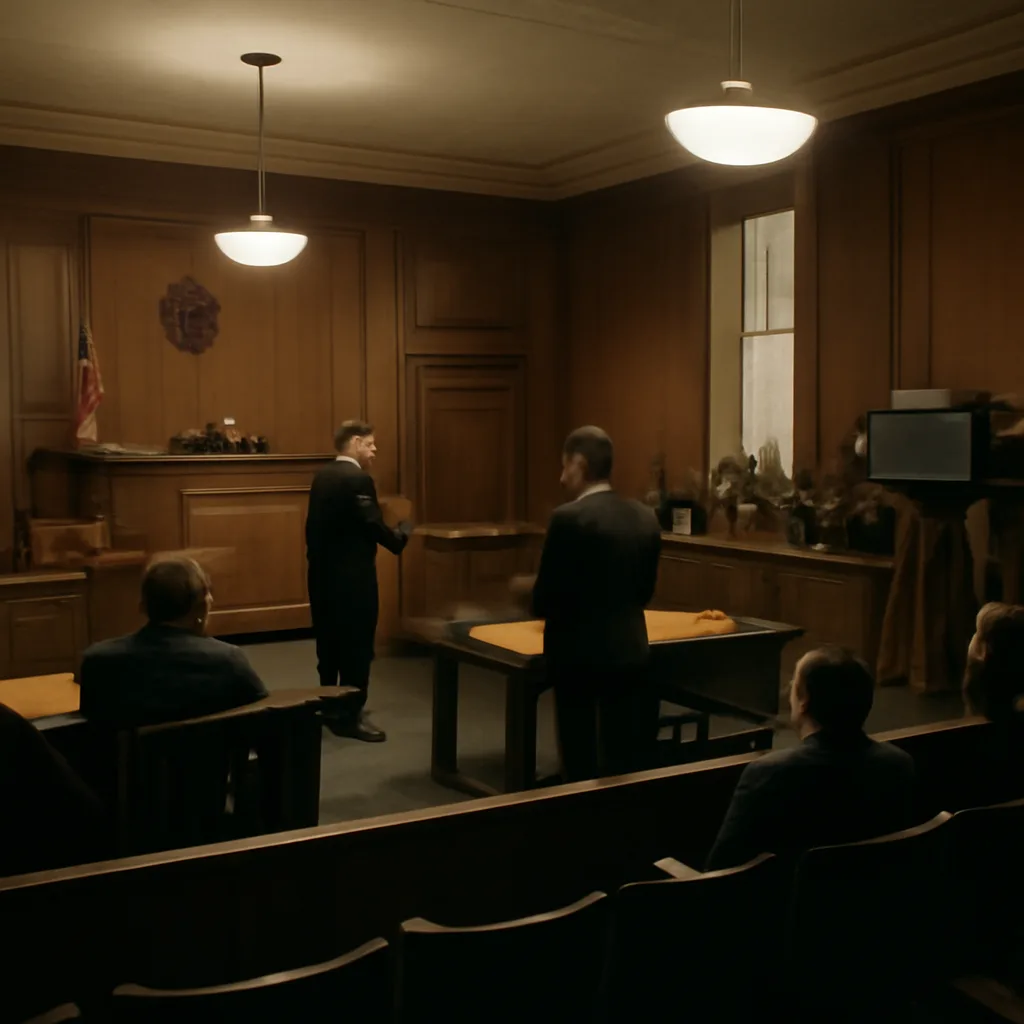
Mid-1950s courtroom interior with seated judge, attorneys at counsel tables, and a bulky television camera on a tripod positioned near the courtroom doorway; jurors and spectators visible but not individually identifiable.

On February 5, 1954, the United States recorded its first televised murder trial when California courts allowed limited camera access, marking a contentious shift toward broadcasting courtroom proceedings to the public.


On February 5, 1954, television cameras were allowed into an American murder trial for the first time, initiating a new and controversial chapter in the relationship between the press, the public, and the judiciary. The case occurred during a period when television was rapidly expanding as a primary source of news and entertainment, prompting judges and legal commentators to confront questions about fairness, publicity, and the dignity of court proceedings.

The trial in question took place in California, where an initial judicial decision permitted restricted camera coverage. The arrangement typically involved limitations: only certain portions of the courtroom were filmed; camera positions were fixed; and broadcasters were often required to stop filming at sensitive moments or to avoid close-ups of jurors, witnesses, and attorneys. These constraints reflected judicial concern that cameras might influence witness testimony, intimidate jurors, or otherwise interfere with the administration of justice.

Reactions were mixed. Advocates of televised trials argued that broadcasting court proceedings served the democratic goal of an informed citizenry and could demystify the legal process. They saw television as an extension of the public’s right to observe government functions. Opponents warned that cameras would encourage spectacle over substance, distort courtroom behavior for ratings, and jeopardize defendants’ rights to a fair trial.

The 1954 broadcast was not a clean precedent for unrestricted television access. Courts that experimented with cameras did so under careful guidelines and often only on a trial-by-trial basis. Over the following decades, jurisdictions varied widely: some embraced televised proceedings under strict rules; others prohibited cameras entirely. Concerns about witness privacy, juror safety, and trial integrity continued to shape policies.

The first televised murder trial in 1954 contributed to ongoing legal and ethical debates that culminated in landmark moments later in the century, such as the live, gavel-to-gavel broadcast of the 1995 O.J. Simpson criminal trial, which dramatically raised national awareness of television’s influence on high-profile trials. Legal scholars, judges, and legislators have since sought to balance transparency with procedural fairness, resulting in a patchwork of state and federal rules that persist today.

Historically, the 1954 event is significant less for creating an immediate nationwide practice than for forcing courts to confront television’s presence in the courtroom and to begin developing policies that remain contested. The episode illustrates how new media technologies can prompt reevaluation of established civic processes and rights, a dynamic that continues with each successive communication innovation.

Share this

Email Share on X Facebook Reddit

Did this surprise you?