Japan Executes Aum Shinrikyo Leader Shoko Asahara and Several Followers
On August 6, 2018, Japanese authorities executed Shoko Asahara, founder of the Aum Shinrikyo cult, along with six followers, concluding a long legal process stemming from the group's 1995 sarin attack and other crimes.
Shoko Asahara (birth name Chizuo Matsumoto), founder of the apocalyptic cult Aum Shinrikyo, was executed by hanging by Japanese authorities on August 6, 2018, along with six senior members of the group. The executions came after decades of investigation, trials and appeals related to a campaign of violent crimes perpetrated by the cult, most notably the March 1995 sarin gas attack on the Tokyo subway that killed 13 people and injured thousands. The executions were carried out more than 23 years after the subway attack and followed final court rulings that affirmed death sentences for Asahara and several of his closest associates.
Background: Aum Shinrikyo originally presented itself in the 1980s as a religious movement blending Buddhist, Hindu and apocalyptic elements under Asahara’s leadership. Over time the group developed a hierarchical structure and engaged in covert efforts to acquire chemical and biological agents, weapons and facilities for producing them. In 1994–1995, members of the group carried out multiple crimes, including the release of sarin nerve agent in Matsumoto in 1994 and the coordinated sarin attack on Tokyo’s subway system in 1995, as well as kidnappings and murders of perceived enemies.
Legal process: Following the 1995 attacks, Japanese police arrested Asahara and dozens of Aum members. Prosecutors charged Asahara with masterminding the attacks and ordering murders and other violent acts. Over many years, Japanese courts tried cases against Asahara and various members of Aum Shinrikyo. Asahara was first sentenced to death in 2004; that verdict was upheld through subsequent appeals and legal reviews. In the years that followed, additional trials resulted in death sentences for several senior associates and prison terms for many other members.
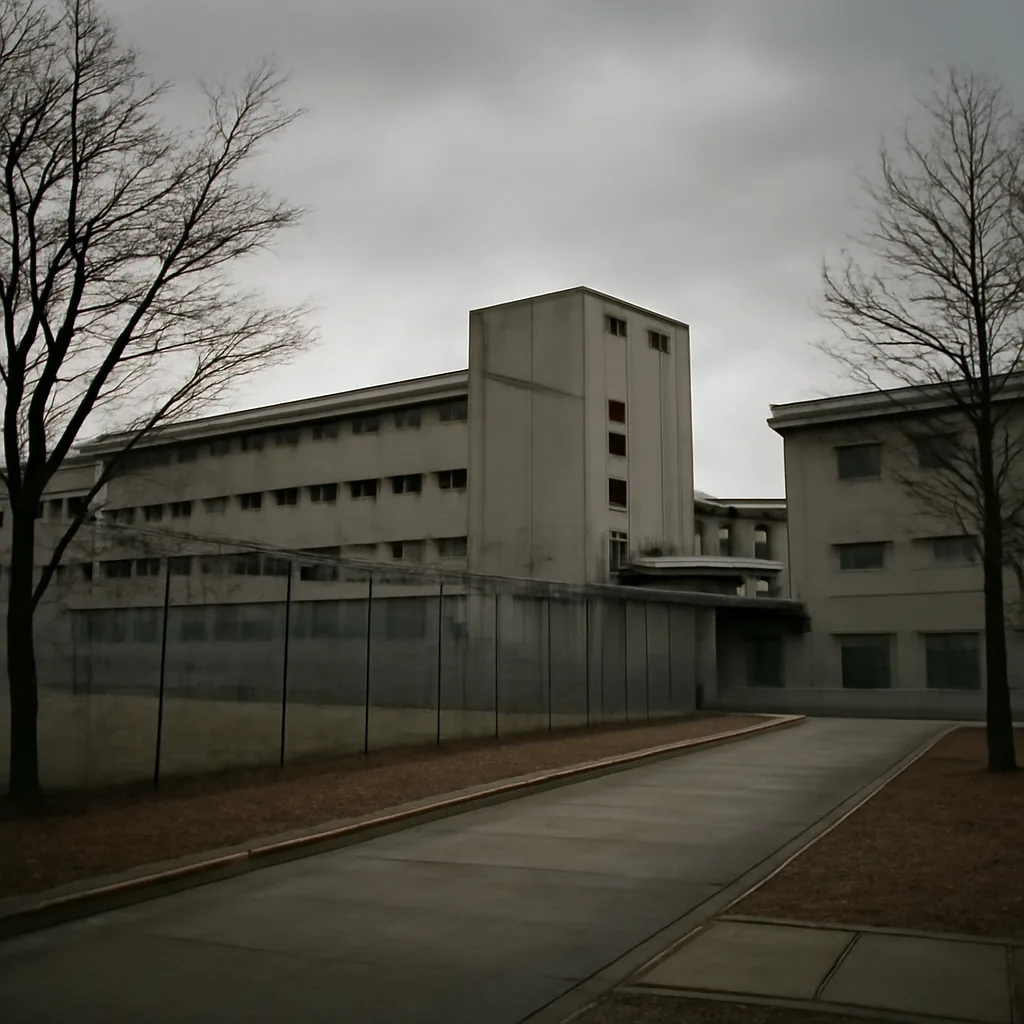
Executions: On August 6, 2018, Japan carried out executions of Asahara and six others convicted of crimes related to the Aum campaigns. Japanese authorities do not provide extensive public detail about executions beyond confirming that they have taken place. Domestic and international reactions varied: some victims’ families and others affected by the 1995 attacks welcomed the executions as the culmination of a long quest for justice, while human rights organizations criticized Japan’s use of capital punishment and called for greater transparency and abolition.
Aftermath and legacy: The executions closed a major chapter in Japan’s postwar history, but Aum’s aftermath continued to raise legal and social issues. Surviving members, successor groups and civil litigation have kept questions about compensation, de-radicalization and the monitoring of extremist organizations in public debate. The Aum case prompted Japanese authorities to strengthen legal frameworks for responding to religiously motivated violence, chemical weapons and domestic terrorism. It also left enduring scars among victims, families and communities affected by the attacks.
Historical significance: The Aum Shinrikyo attacks remain among the most serious domestic terrorist incidents in Japan’s modern history. The legal process culminating in the executions underscored Japan’s judicial handling of mass-casualty crimes and rekindled international discussion about capital punishment and counterterrorism policy. While Asahara’s execution removed the movement’s central figure, experts and officials have noted that extremist ideologies can persist and that vigilance and legal safeguards are necessary to prevent similar tragedies.
Sources: This summary is based on widely reported, contemporaneous accounts and official statements from Japanese authorities and international reporting on Aum Shinrikyo, the 1995 Tokyo subway sarin attack, subsequent trials and executions.