
← Back
09/05/2015 • 4 views

September 2015: European borders strained as refugee flows surge
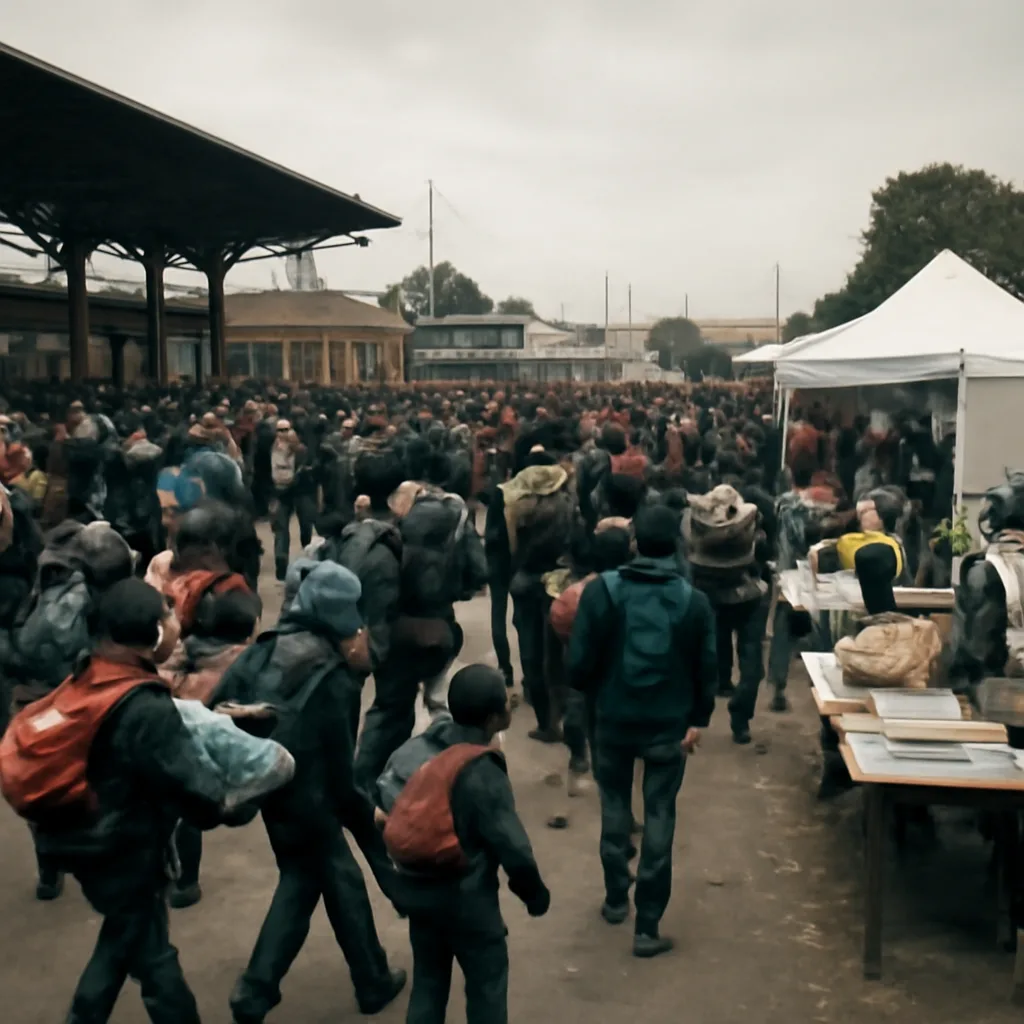
Crowds of refugees and migrants gathered at a crowded train station and makeshift reception area near a European border in September 2015, with luggage and children visible and volunteers distributing aid.

A sharp rise in refugees and migrants in early September 2015 overwhelmed border controls across Europe, triggering emergency responses, temporary border closures and a growing humanitarian crisis as governments struggled to process arrivals and provide basic services.


In the first week of September 2015, Europe experienced a rapid and highly visible escalation in the numbers of refugees and migrants arriving on its borders. Large movements of people — primarily fleeing conflict, persecution and economic hardship in Syria, Afghanistan, Iraq and parts of Africa — converged on routeways into southeastern and central Europe. The surge strained reception facilities, transportation systems and border-control capacities, exposing gaps in coordination among European Union member states and prompting divergent national responses.

Key transit points included Greece — particularly the Aegean islands and the northern land routes — the Western Balkans corridor through Macedonia, Serbia and Hungary, and points of arrival across Italy. Thousands of people arrived each day in some locations, overwhelming camps, train stations and makeshift reception centres. At several border crossings, authorities faced the immediate challenge of providing shelter, food, medical care and registration while maintaining security and public order.

In Hungary, the government took a notably firm stance. Hungarian authorities erected and reinforced barbed-wire fencing along sections of the Serbian border in late summer 2015 and by early September were processing large groups at official crossing points while preventing irregular entries elsewhere. Tensions rose at railway stations and border areas when migrants attempted to travel onward; images from that period show crowded platforms and long lines of people with large bundles.

Germany and Austria, major destinations for many arriving migrants, initially tried to balance humanitarian reception with border-management needs. German authorities were open in 2015 about expecting high numbers of asylum seekers; by September, informal transit through other countries toward Germany increased pressure on neighbouring states to clarify policies. Austria and several Balkan states intermittently adjusted transit procedures, using temporary controls or restricting onward movement to manage flows.

The European Union’s Schengen framework, designed to allow passport-free travel across most member states, came under significant stress. Some countries temporarily reinstated internal border controls or announced contingency measures to regulate cross-border movement. These actions sparked debate among EU officials and members over burden-sharing, asylum procedures and the adequacy of existing EU migration and asylum systems.

Humanitarian organizations and local volunteers mobilized to provide emergency relief. Non-governmental groups, churches and community organizations delivered food, water, clothing and medical aid at transit points and makeshift camps. Yet the scale and speed of arrivals outpaced available resources in many places, leading to crowded conditions and sanitation concerns. International bodies, including United Nations agencies, called for coordinated responses and urged European states to uphold international protection obligations.

The media attention on visible scenes — crowded trains, overflowing reception centres and dramatic arrivals on small boats to Greek islands — amplified public awareness and political pressure. Public opinion across Europe was divided: many citizens and civil-society groups advocated for humanitarian reception and solidarity, while others expressed concern about security, integration capacity and social cohesion.

Policy discussions in September 2015 focused on short-term emergency measures and longer-term reforms. Emergency relocation and resettlement proposals, funding for reception and integration, and calls for a more equitable EU-wide sharing of asylum seekers were central themes. Critics argued that ad hoc national measures underscored the need for a coherent, legally grounded EU approach to asylum and migration management.

The events of early September 2015 did not occur in isolation but were part of a broader, ongoing migration and displacement crisis linked to years of conflict, instability and limited legal avenues for safe migration. The pressures on borders that month highlighted both the immediate humanitarian needs of people on the move and the structural challenges facing European migration governance.

Historians and policymakers later viewed this period as a pivotal moment that intensified debates on asylum policy, border control and European solidarity, with consequences for subsequent legislation, bilateral agreements and public discourse on migration.

Note: This summary focuses on widely reported developments in early September 2015; specific figures and localized incidents varied across countries and were subject to frequent updates at the time.

Share this

Email Share on X Facebook Reddit

Did this surprise you?