
← Back
02/15/1975 • 5 views

CIA Declassifies Files on Cold War Mind-Control Research
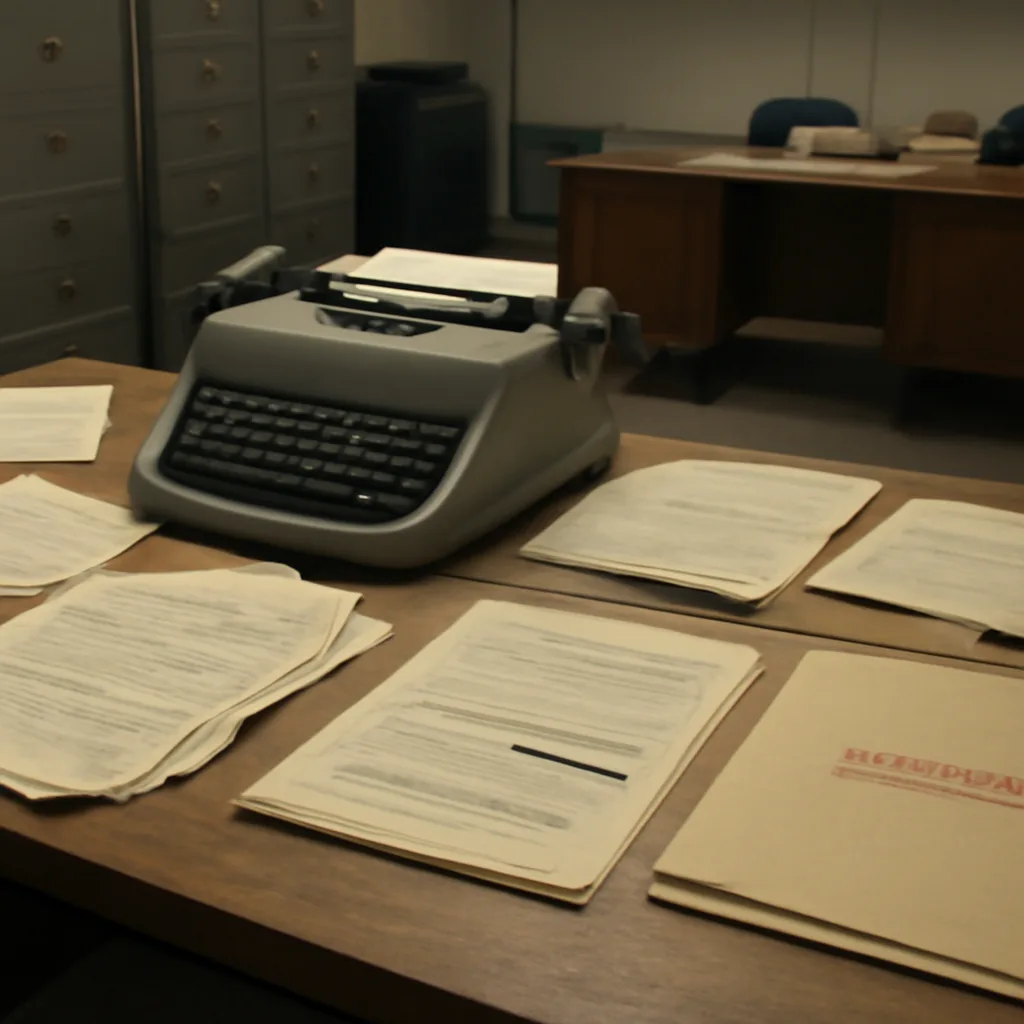
Stack of declassified government documents and typewritten memos on a wood table, with an old-fashioned typewriter and a fountain pen nearby, 1970s office setting.

On February 15, 1975, the CIA disclosed documents revealing government-funded experiments into behavior modification and interrogation techniques—sparking public debate over ethics, oversight and the limits of intelligence research.


In mid-February 1975, the Central Intelligence Agency publicly released a set of documents detailing decades of research into behavior modification, interrogation methods and chemical agents—research often summarized under the shorthand "mind-control." The disclosures were part of a broader public reckoning in the 1970s over intelligence activities after revelations of domestic spying, covert operations and other excesses that had eroded trust in U.S. agencies.

The material disclosed in 1975 reflected work carried out during the early Cold War era, including programs that explored the effects of drugs, sensory deprivation, hypnosis and other techniques on human subjects. Some studies were conducted at laboratories or through contracts with universities and private research firms. While the CIA described some efforts as exploratory basic research, critics and investigators raised alarms about inadequate consent, the use of unwitting subjects, and the ethical implications of experimenting with substances and procedures intended to influence cognition and behavior.

The release followed investigations by Congress and press reporting that had begun to expose previously secret programs. Congressional hearings in the mid-1970s—most notably those led by the Senate Select Committee on Intelligence and the Church Committee—examined whether intelligence agencies had exceeded legal and ethical boundaries. The 1975 disclosures contributed to those inquiries by providing documentary evidence of the scope and nature of certain projects, prompting policy debates about oversight, classification, and safeguards for human subjects.

Public reaction combined outrage, fear and demands for accountability. Critics pointed to instances where documentation suggested questionable consent practices, including experiments involving service members, prisoners or other vulnerable populations. Supporters within the intelligence community argued that some research had legitimate national-security purposes, undertaken in an era of intense geopolitical competition and perceived threats.

The revelations had concrete institutional consequences. They helped spur reforms in how intelligence and research programs were overseen, contributed to stricter protections for human-subject research, and reinforced congressional oversight of intelligence activities. Over time, some materials were further declassified, subject to redactions, or placed under review; other records remain fragmented or incomplete, leaving aspects of programs disputed or poorly documented.

Historians and journalists have since pieced together the story from declassified files, witness testimony and archival records. While accounts agree that the CIA funded and conducted wide-ranging experiments into behavior and interrogation techniques, interpretations differ on intent, scale and the degree to which abuses occurred. Some specific projects and practices have been well documented; in other cases, gaps in the archival record mean conclusions are tentative.

The 1975 disclosures occupy an important place in public memory of Cold War intelligence: they helped catalyze legal, ethical and institutional changes and served as a cautionary episode about secrecy, scientific responsibility and democratic oversight. Debates that began then—about balancing national security with civil liberties and research ethics—continue to inform contemporary discussions about government research and transparency.

Share this

Email Share on X Facebook Reddit

Did this surprise you?