
02/15/1996 • 5 views
Pentagon Acknowledges Near-Launch of Nuclear Missiles in 1996 Incident
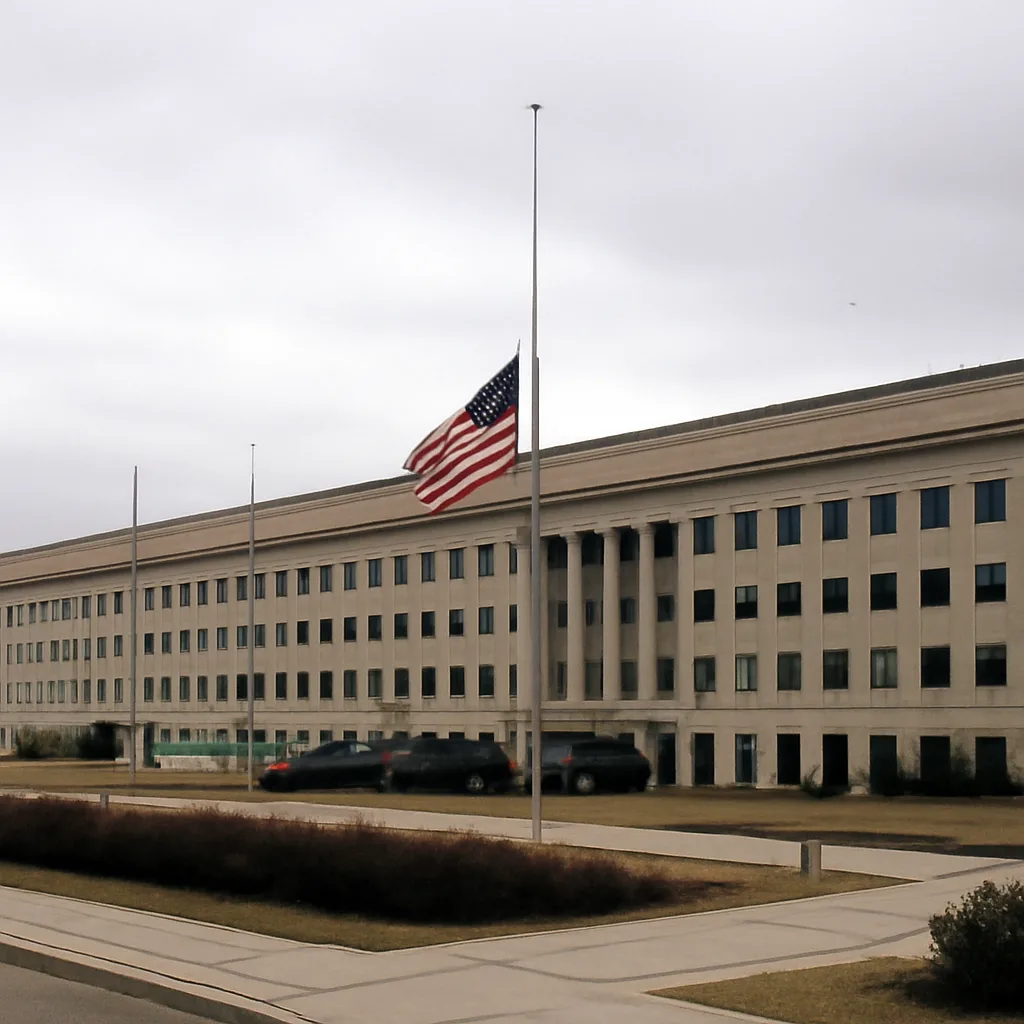
In February 1996 the Pentagon disclosed that U.S. nuclear forces came close to launching due to a series of errors and miscommunications; officials said procedural safeguards ultimately prevented an accidental launch.
What happened
Details released by the Pentagon and reported in contemporaneous media describe a sequence involving incorrect targeting data and confused command-and-control communications. At least one element of the nuclear triad — typically understood to include land-based intercontinental ballistic missiles (ICBMs), strategic bombers, and submarine-launched ballistic missiles (SLBMs) — was reported to have entered a heightened readiness status that moved it closer to a launch posture than normal peacetime operations would permit. Multiple safeguards and verification steps remained in place and were cited by officials as preventing an actual launch.
Investigations and findings
After the incident, internal Pentagon reviews and inspector general inquiries examined the procedural failures. The reviews identified shortcomings such as inadequate cross-checking of target and launch orders, confusion over command authorities during the event, and weaknesses in training and communication protocols. Some reports called for revised procedures, improved personnel training, and technical fixes to reduce the risk of similar incidents.
Context and implications
The 1996 admission came during the post–Cold War era when the United States and Russia were negotiating reductions in nuclear arsenals and seeking greater stability. Revelations that accidental or near-accidental events could bring forces close to a launch underscored persistent risks in managing nuclear weapons systems even after tensions had eased. The incident reinforced arguments by policymakers and arms-control advocates for strengthened safeguards, clearer command-and-control rules, and confidence-building measures with other nuclear states.
Limits of the record
Public accounts of the 1996 near-launch are constrained by classification and redaction; the Pentagon released summaries and officials provided briefings, but many operational details remain undisclosed. Media reporting at the time relied on official statements, anonymous sources within the defense establishment, and later interviews with retired officers. As a result, some specifics — including exact chain-of-events timelines, which platforms were involved in every step, and the full content of internal reviews — are either partially public or remain uncertain.
Aftermath
Following the disclosure, the Defense Department and related agencies undertook policy and technical measures intended to reduce the risk of inadvertent escalation. These included procedural clarifications, revised checklists, enhanced training for personnel responsible for nuclear command-and-control, and technology updates where needed. The incident has since been referenced in discussions about the fragility of nuclear command-and-control systems and the ongoing need for transparency, risk reduction, and international dialogue to prevent accidental nuclear use.
Why it matters today
Histories of nuclear operations emphasize that human error, technical faults, and miscommunication have repeatedly produced close calls. The 1996 Pentagon admission is one of several episodes—alongside better-known Cold War incidents—that illustrate how near-misses have persisted into the post–Cold War era. Scholars, policymakers, and military planners cite such events when advocating for sustained investment in safeguards and international measures to lower the risk of accidental or unauthorized nuclear detonations.
Sources and verification
This summary is drawn from the public record of Pentagon statements, contemporaneous news reporting, and subsequent analyses of U.S. nuclear command-and-control practices. Specific classified details are not publicly available, so some operational elements remain disputed or unknown.