
← Back
01/07/2002 • 7 views

The first confirmed case of human cloning fraud
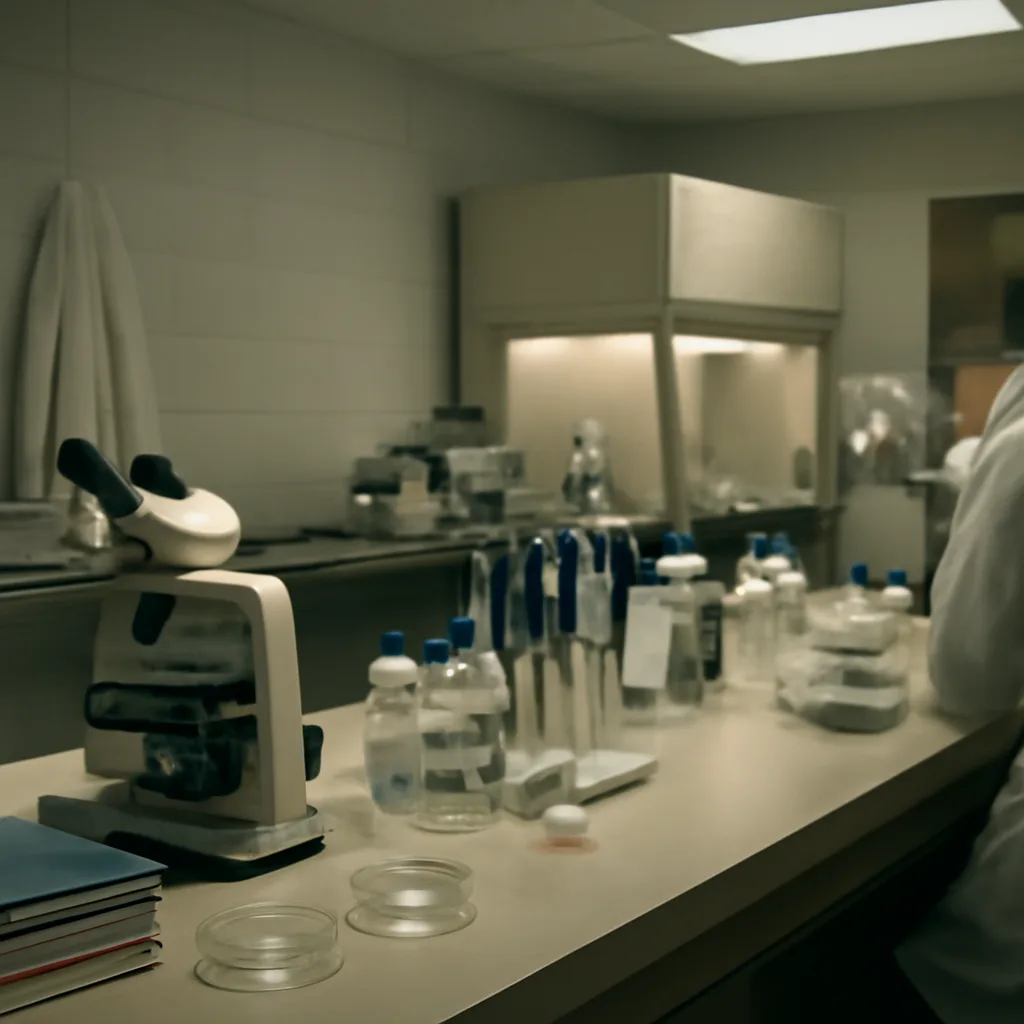
Laboratory workspace with microscopes, petri dishes, and pipettes on a bench, evoking early 2000s stem-cell research without showing identifiable people.

On January 7, 2002, South Korean scientist Hwang Woo-suk published claims of creating cloned human embryos; subsequent investigations showed fabricated data and ethical violations, making it the first widely confirmed case of human cloning fraud.


On January 7, 2002, a paper by Hwang Woo-suk and colleagues at Seoul National University was published in the journal Science reporting the successful cloning of human embryos and the derivation of patient-specific embryonic stem cells. The claims came amid intense international interest in therapeutic cloning and regenerative medicine, promising a pathway to tailored stem-cell therapies without immune rejection.

Within months, skepticism arose over the reproducibility of Hwang’s results. Other laboratories failed to replicate his findings, and inconsistencies in figures and data were noticed by independent scientists. Concerns intensified when details about donor egg sourcing and ethical oversight were questioned. In late 2005, a joint investigation by Seoul National University and the South Korean government concluded that key data in Hwang’s papers had been fabricated and that ethical standards had been violated, including coercion and improper payment for human oocytes.

Science formally retracted the 2004 Science paper that had claimed derivation of patient-specific embryonic stem cells, and later the 2005 paper was also retracted. Hwang admitted to some falsifications, and several collaborators faced disciplinary actions. The scandal prompted criminal investigations; in 2006, a South Korean court found Hwang guilty of embezzlement and bioethics law violations, though he was later acquitted of fraud on appeal in 2009 while remaining convicted on lesser charges related to bioethical violations and misappropriation of funds.

The case had multiple broad impacts. It damaged public trust in high-profile stem cell research, led journals and institutions to strengthen data verification and ethical oversight, and spurred international discussion on the procurement and compensation of human oocytes in research. It also highlighted pressures on scientists to produce groundbreaking results and the hazards when institutional and national prestige intersect with scientific ambition.

While Hwang’s initial claims were reported as breakthroughs, the subsequent investigations and retractions established this episode as the first widely confirmed instance of deliberate fraud in human cloning research at a high, publicized level. Historians and ethicists view the affair as a cautionary example about research integrity, institutional responsibility, and the need for transparent ethical standards in emerging biomedical fields.

Share this

Email Share on X Facebook Reddit

Did this surprise you?