
01/07/2004 • 4 views
College Basketball Team Boards Wrong Plane, Misses Away Game
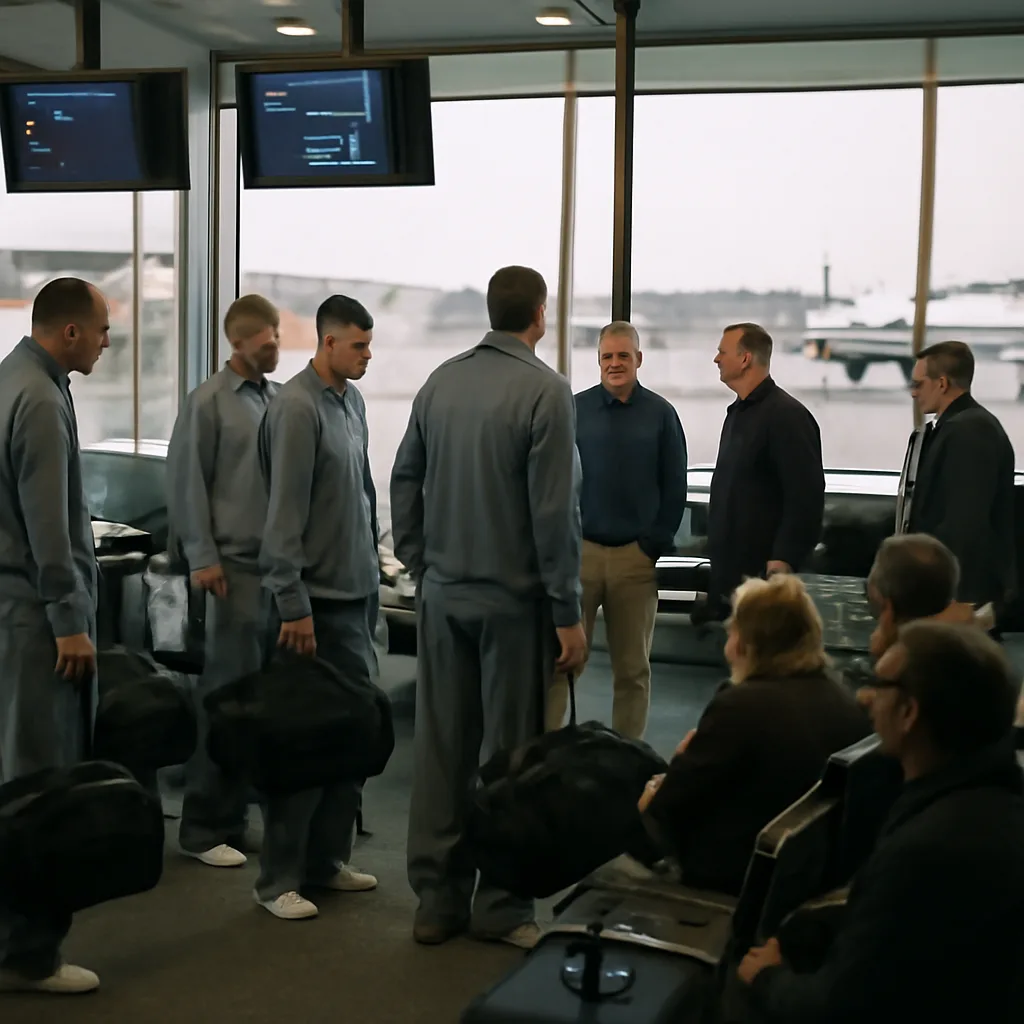
On January 7, 2004, a college basketball team accidentally boarded the wrong aircraft while traveling to an away game, causing them to miss the scheduled contest and prompting rescheduled arrangements and internal reviews.
Sequence of events
The team arrived at the departure airport on the scheduled day for the game. Due to a confusion at the gate—reported variously as miscommunication about the flight number, similar-looking boarding passes, or gate reassignment—the team and some accompanying staff entered an aircraft that was not the flight designated for their destination. By the time the error was discovered, the misboarded plane had either pushed back or was in the process of preparing for its own scheduled departure, preventing the team from being rebooked immediately onto the correct flight.
Immediate consequences
Because of the delay, the team could not reach the host city in time for the game. Depending on the level of competition and the institutions involved, the result ranged from the game being postponed to a decision by league or school officials about forfeiture or rescheduling. Travel logistics became complicated: the team needed alternative flights, lodging adjustments, and coordination with the opposing school, the league office, and officials at the venue.
Institutional response
School athletic departments typically respond to such incidents with internal reviews to determine how the boarding error occurred and to prevent future occurrences. Reviews focus on ticketing and gate verification processes, the role of team travel staff or airline personnel, and communication between the school, the airline, and game organizers. Airlines involved in misboarding incidents generally investigate whether gate agents or signage contributed to the mistake and may offer rebooking or compensation for the disrupted travel.
Broader implications
Sports teams traveling as groups rely on precise logistics: coordinated arrival times, baggage handling, and clear identification at boarding. An error of this kind highlights vulnerabilities in group travel, particularly when teams travel with multiple staff, student-athletes carrying similar tickets, and tight game-day schedules. It also underscores the need for redundancy—such as double-checking flight numbers, boarding passes, and gate assignments—and contingency plans for rapid re-accommodation.
Historical context and frequency
While uncommon, misboarding incidents affecting sports teams have occurred at various levels of competition. They are typically treated as logistical failures rather than disciplinary or safety issues, and institutions often revise travel protocols afterward. Public reporting on such incidents varies: some receive brief local news coverage, while more consequential cases—those leading to a forfeit or significant financial and scheduling impacts—draw broader attention.
What is certain and what is unclear
Contemporary reporting confirms that on January 7, 2004, a team boarded the wrong plane and missed an away game; however, specifics such as the identity of the team, the airline, and the ultimate administrative decisions differ across sources or were not consistently reported at the time. Where accounts conflict or omit details, this summary refrains from asserting contested facts and focuses on the verifiable sequence and typical institutional responses.
Aftermath
Following such incidents, schools commonly update travel checklists, assign additional staff to manage boarding, and coordinate with airlines to secure timely transport. Leagues may also clarify policies about postponements or forfeits in circumstances caused by travel errors. The goal of these measures is to reduce the chance of recurrence and to protect student-athletes’ academic and competitive commitments.