
← Back
06/16/1931 • 6 views

1931’s Don’t Look Now: Audiences Faint at the First Modern Horror Hit
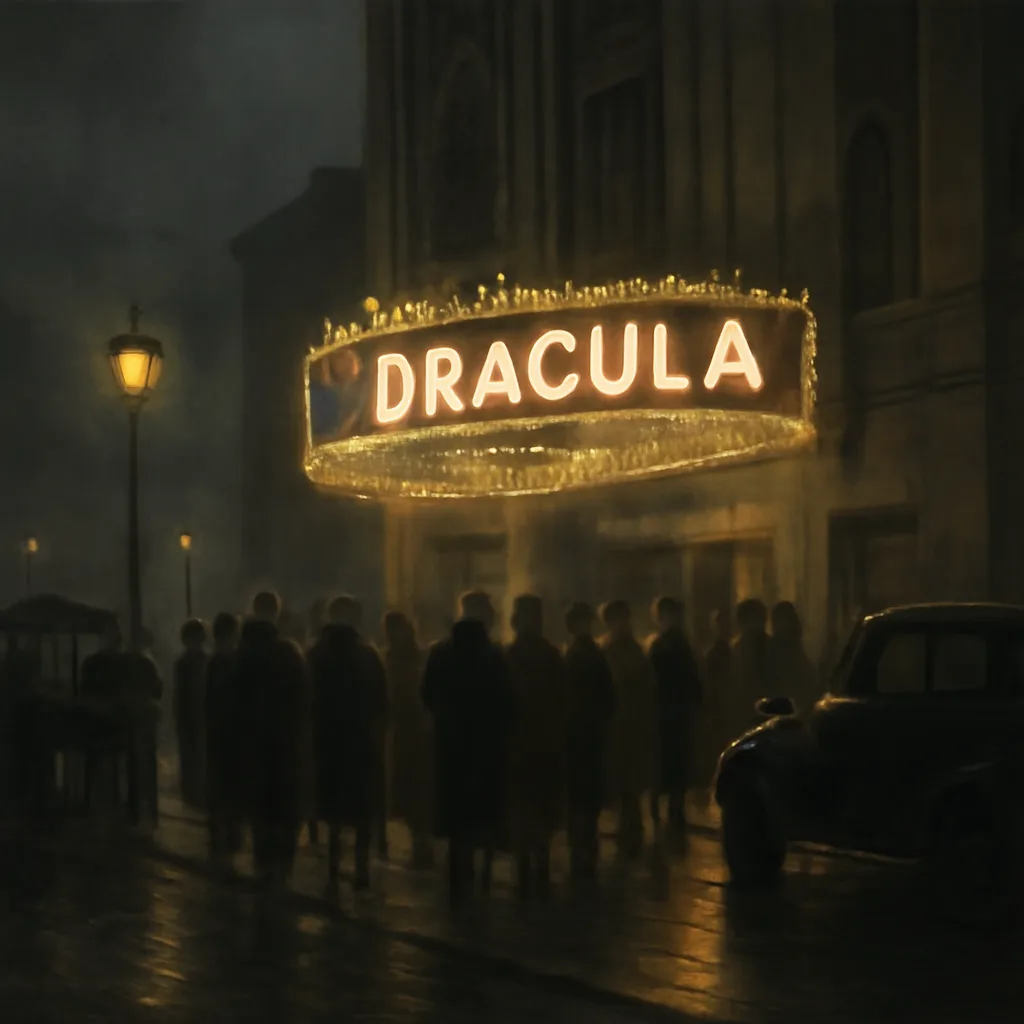
Black-and-white cinema auditorium exterior at night in the early 1930s with patrons queueing; a marquee reading ‘Dracula’ (no faces in close-up).

When Universal Pictures’ Dracula premiered on June 16, 1931, reports circulated that the film’s moody atmosphere, unsettling visuals and Bela Lugosi’s performance provoked fainting and faint praise in some theaters — a reaction that helped define early cinematic horror.


On June 16, 1931, Universal Pictures released Dracula, an adaptation of Bram Stoker’s 1897 novel that drew on the stage play starring Bela Lugosi. The film arrived at a moment when sound cinema was still new and studios were experimenting with how cinematic techniques, performance and music could shape audience reactions. Dracula’s formal qualities — shadow-drenched cinematography, claustrophobic set design, suggestive camera angles, and Lugosi’s icy, hypnotic presence — helped establish a template for the “modern” horror film and generated a potent public response.

Contemporary newspapers and trade papers recorded that some audience members fainted or felt ill during early screenings. Those reports, amplified by publicity departments and local press, were common in coverage of sensational entertainment at the time and functioned both as genuine eyewitness accounts and as promotional fodder. The combination of striking imagery, evocative sound design (the film’s musical accompaniment and carefully controlled silence), and culturally resonant fears about contagion, sexuality and the uncanny produced emotional intensity in some viewers unaccustomed to cinematic frights.

Dracula’s impact was also technical and stylistic. Director Tod Browning and cinematographer Karl Freund used stark lighting contrasts and deep shadows to suggest unseen threats, while sets evoked decayed aristocratic spaces that contrasted with modern urban life. Bela Lugosi’s measured, accented delivery and stillness created an iconic, ritualized villainy that other filmmakers would imitate. The film’s economy of explicit gore in favor of atmosphere and suggestion set a pattern for horror films that sought psychological unease rather than shock alone.

The reports of fainting should be placed in context. Sensational press accounts were a known tool for generating box-office interest; exhibitors routinely advertised extreme audience reactions to entice patrons. At the same time, the novelty of sound, the communal intensity of early cinema audiences, and the film’s skill at manipulating mood likely did produce genuine, if localized, strong reactions. Medical and sociological documentation of mass fainting or hysteria around film screenings is sparse, so it is difficult to quantify how widespread such incidents were. Modern historians treat these accounts cautiously: they are evidence of cultural impact but not definitive proof of mass physical collapse.

Dracula’s commercial success and cultural resonance were clear. The film helped launch Universal’s long-running horror cycle during the 1930s, paving the way for titles such as Frankenstein (1931), The Mummy (1932) and later sequels and crossovers. It also cemented Bela Lugosi’s public image as the definitive cinematic vampire for decades. The movie’s aesthetic — urban nightscapes, suggestion over explicitness, and a charismatic monster whose presence dominates the frame — influenced subsequent filmmakers both in Hollywood and abroad.

Today, film historians credit Dracula with helping to codify the rules of modern horror: atmosphere and suggestion, star-based monster branding, and the interplay of sound and image to elicit psychological responses. Accounts of fainting, whether partly promotional or authentic, reflect how audiences and exhibitors of the early sound era talked about cinema’s power. They also underscore the film’s role in transforming horror from stage melodrama and literary Gothic into a distinctly cinematic form that could provoke strong emotional reactions in a shared, theatrical setting.

In short, whether every fainting report was literal or exaggerated, Dracula’s June 1931 release marked a watershed in film history. It demonstrated how stylistic innovation and star performance could produce intense audience responses and set patterns that defined the modern horror film for decades.

Share this

Email Share on X Facebook Reddit

Did this surprise you?