
← Back
01/07/1966 • 7 views

Pentagon Confirms Misplaced Nuclear Weapons in 1966 Incident
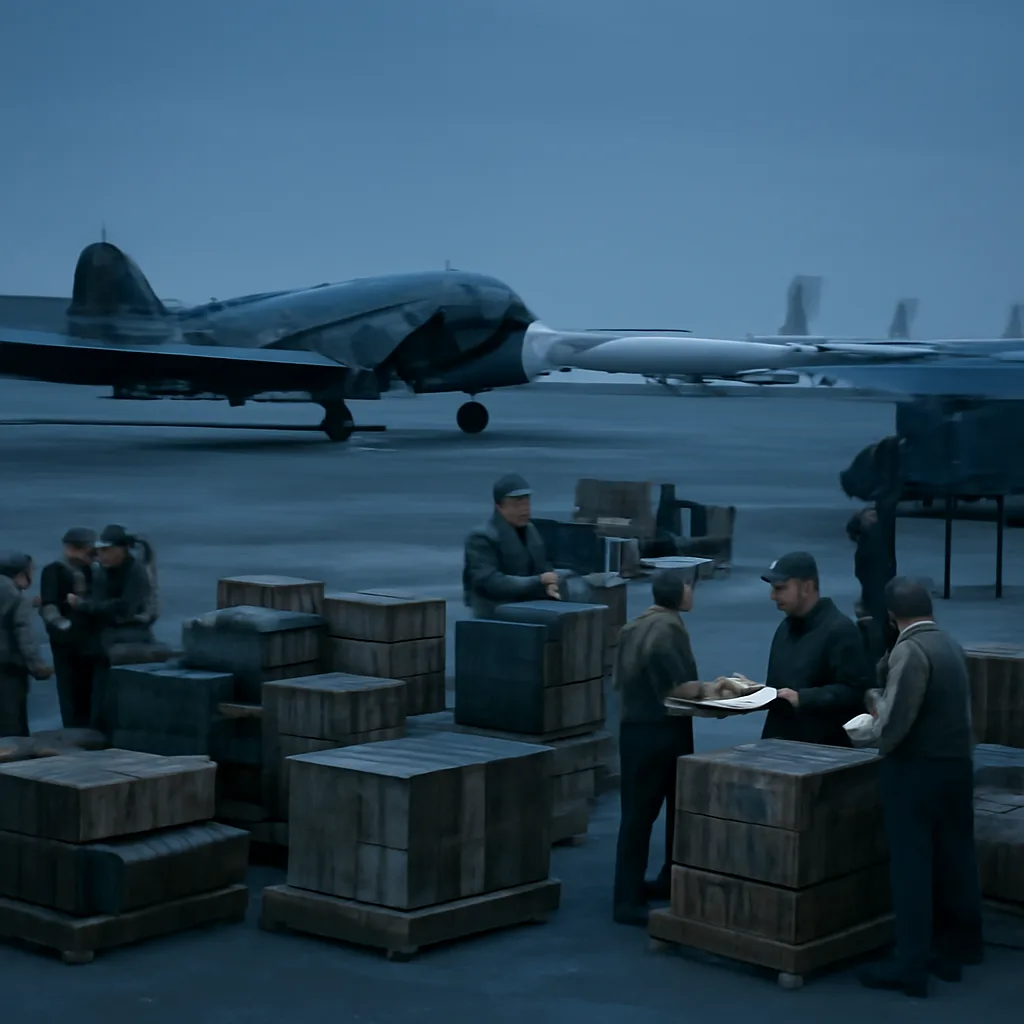
Cold War–era military cargo area with crates and parked transport aircraft, soldiers and civilian technicians inspecting manifests and containers.

On January 7, 1966 the Department of Defense acknowledged that several nuclear weapons were unaccounted for following inventory and transport errors, prompting an internal review and public concern about weapons security during the Cold War.


On January 7, 1966, the United States Department of Defense publicly acknowledged that nuclear weapons had been misplaced. The admission came amid growing scrutiny of the handling, transport and accounting of strategic weapons during a tense phase of the Cold War. Officials said the incident involved errors in inventory and logistics rather than an enemy action, and it prompted internal reviews of procedures governing custody, transport and security of nuclear ordnance.

Background
In the 1950s and 1960s the United States maintained large inventories of tactical and strategic nuclear weapons distributed across bases, ships and aircraft. The complexity of managing warheads—each requiring strict accounting, specialized handling and multiple security layers—made oversight a persistent challenge. Periodic incidents involving loss, misplacement or unauthorized movements of nuclear components were a source of concern for military and civilian leaders and became public in part due to investigative reporting and congressional inquiries.

The 1966 acknowledgment
The Pentagon's statement on January 7 did not portray the incident as a theft or foreign seizure but as a failure in bookkeeping, transport manifesting and custody transfer procedures. According to contemporaneous reporting and later declassified documents about similar cases from that era, such admissions typically followed discovery during routine inventories or audits, after which units and commands conducted searches and reconciled records to determine the disposition of the missing items.

Responses and consequences
Following the admission, the Department of Defense ordered reviews of handling protocols and tighter controls on documentation and transport. Congressional members and oversight bodies pressed for clearer chains of custody and more rigorous inspection routines. The incident contributed to incremental changes in nuclear weapons security doctrine, emphasizing redundant checks, improved tracking and clearer lines of responsibility.

Context and historical significance
While specific operational details about the 1966 episode remain limited in public records, the admission fits a broader pattern: Cold War nuclear forces operated under enormous pressure to be ready and mobile, and this operational tempo sometimes led to lapses in administrative control. Public revelations of misplaced or unaccounted-for nuclear weapons raised fears about accidental detonation, unauthorized use or international embarrassment, and they influenced both military policy and public debate over nuclear safety.

Limitations and sources
Publicly available accounts about the January 7, 1966 acknowledgment are constrained by the classified nature of many nuclear weapons records from that period. Where exact numbers, locations or unit names are not present in declassified material, historians rely on official statements, contemporaneous news reporting and later declassified summaries of incidents involving nuclear custody and transport. This summary avoids asserting specifics not supported by declassified documentation or contemporaneous reporting.

Legacy
Incidents from this era helped shape the evolution of nuclear stewardship in the U.S. military: stricter inventory controls, improved transport protocols, and enhanced interagency oversight. They also informed later efforts to make nuclear operations more transparent to Congress and the public, while preserving necessary secrecy for national security.

Share this

Email Share on X Facebook Reddit

Did this surprise you?