
06/15/1952 • 4 views
Televised Scandal: 1952’s First Major Political Controversy on U.S. Television
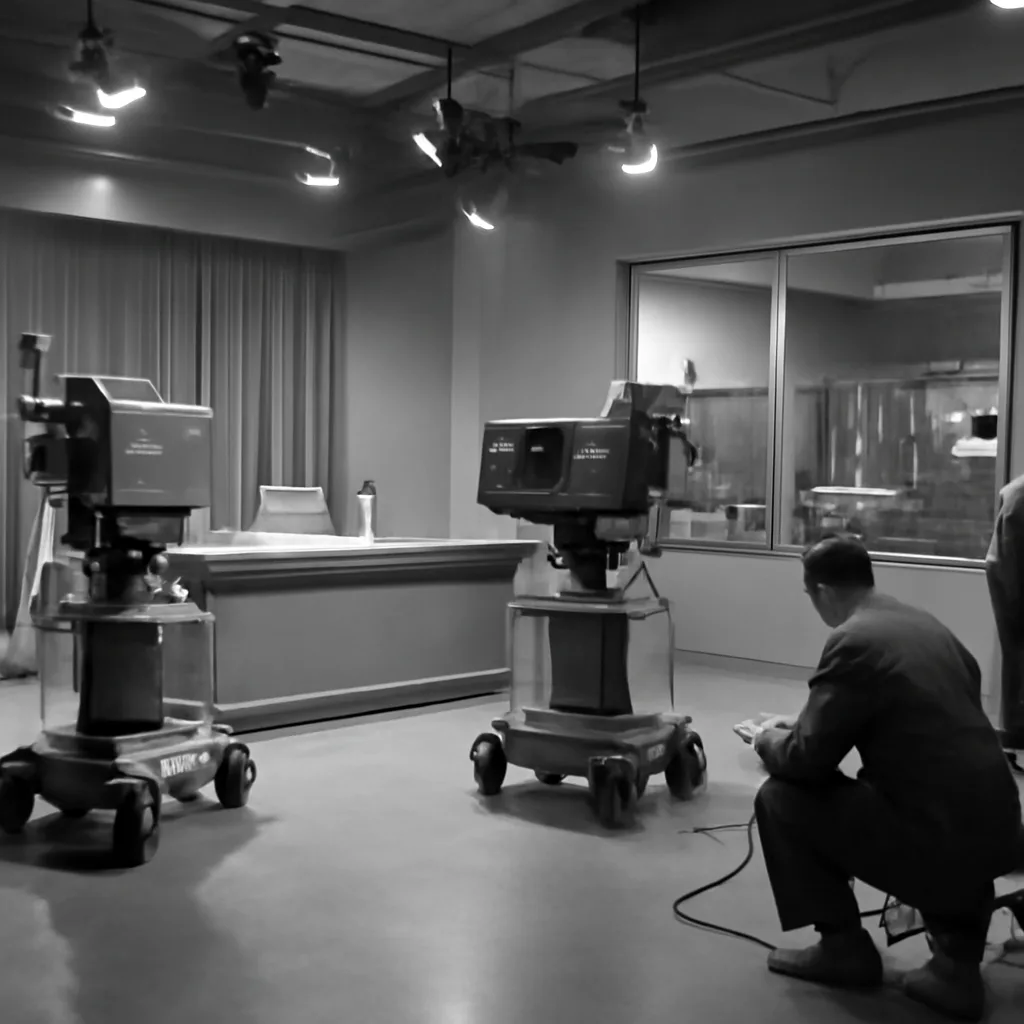
On June 15, 1952, U.S. television helped bring a major political controversy into American living rooms when networks covered allegations and hearings tied to political corruption and loyalty questions—marking one of the earliest national scandals shaped by TV broadcasting.
The early 1950s context matters: the United States was in the grip of Cold War anxieties and domestic anti-communist investigations, and television ownership was rapidly increasing. Networks and local stations were expanding news programming, bringing Congressional hearings, political rallies, and courtroom coverage into living rooms. On June 15, 1952, a combination of congressional activity, press conferences, and network reports focused on allegations—ranging from loyalty concerns to charges of misconduct—connected to public officials and associates. The resulting broadcast coverage amplified the controversy beyond newspaper readership and radio listenership, engaging a broader, visually oriented audience.
Television coverage changed dynamics in several ways. First, visual presentation allowed viewers to assess witnesses’ demeanor and lawmakers’ reactions directly, increasing the emotional impact of testimony and televised exchanges. Second, television’s live or rapidly edited segments compressed complex proceedings into accessible narrative segments, shaping public understanding and political rhetoric. Third, the networks’ editorial choices—what to show, what to omit, and how to frame events—began to influence political reputations and electoral calculations in new ways.
Scholars note that early televised political scandals did not originate solely because of television; underlying controversies often had deep roots in institutional disputes, partisan conflict, or credible allegations investigated by legislative committees and prosecutors. But the 1952 broadcasts contributed to the emergence of a modern media-political feedback loop: televised coverage could increase public attention, which in turn pressured political actors and institutions to respond publicly and quickly. For politicians, the stakes changed: appearance, composure, and televised soundbites now mattered alongside policy positions.
Contemporary accounts and later historical studies emphasize that this period inaugurated a new phase in American political life, in which television became an essential arena for accountability and spectacle. Historians caution against attributing all consequences to television alone; newspapers, radio, and congressional records remained crucial sources of information and interpretation. Still, June 1952 stands as an early, widely noticed instance in which television played a decisive role in how a political controversy was experienced by the public.
This event foreshadowed later televised moments—hearings, debates, and investigative reports—that would further entwine media practices and political fortunes. It also prompted discussions about journalistic responsibility, the ethics of broadcasting sensitive testimony, and the effects of immediacy on due process. Over subsequent decades, these debates intensified as television matured and new technologies emerged, but June 15, 1952, remains a notable early example of television’s capacity to bring a political scandal into the national spotlight.