
← Back
06/15/1970 • 4 views

Nationwide Antiwar Demonstrations Sweep U.S. Cities on June 15, 1970
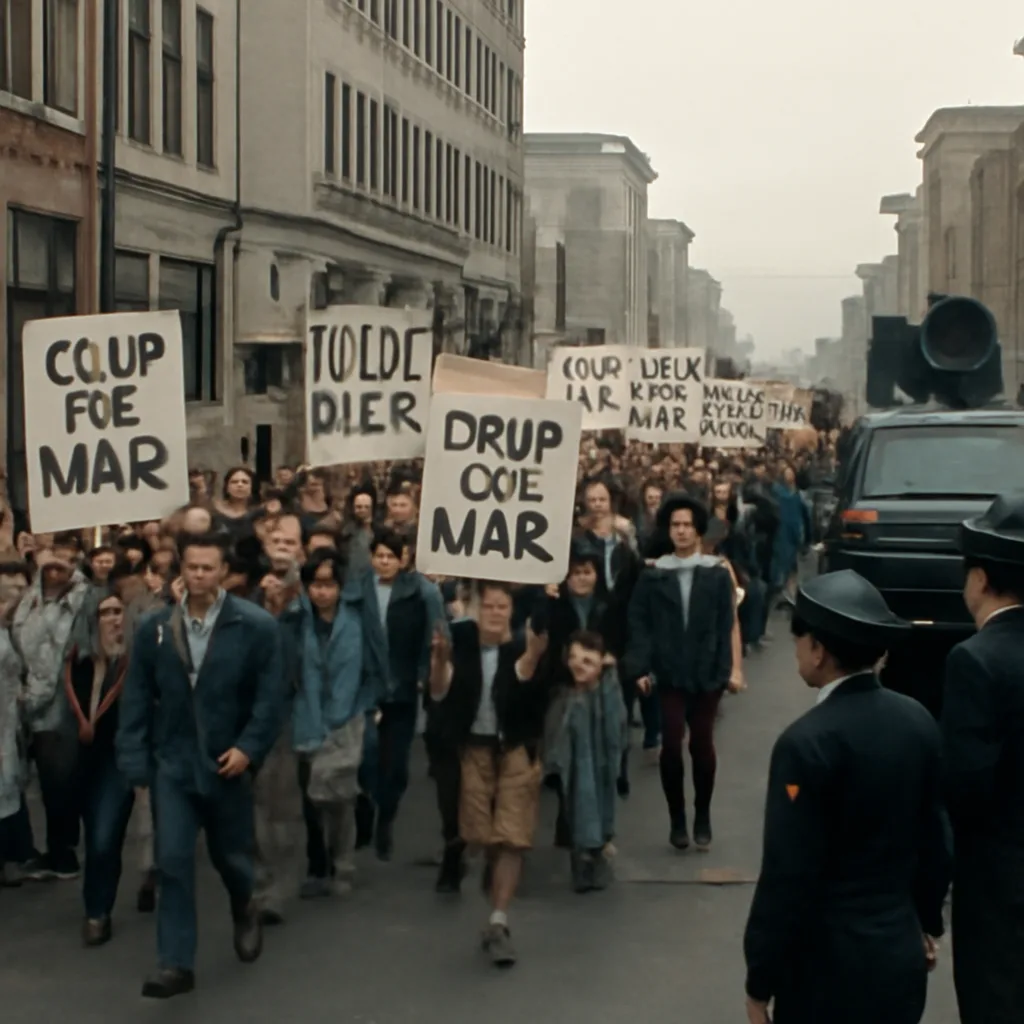
Crowd of protesters marching in an American city street in 1970 carrying banners and signs against the Vietnam War, with police and city buildings visible in the background.

On June 15, 1970, thousands of people staged coordinated antiwar demonstrations across major U.S. cities, reflecting mounting opposition to the Vietnam War and recent domestic events that intensified public protest.


On June 15, 1970, mass antiwar demonstrations occurred across the United States as part of a broader wave of protest against the Vietnam War. Demonstrations ranged from planned marches and rallies in city centers to spontaneous gatherings at campuses, military induction centers and government buildings. Organizers and participants came from a mix of student groups, antiwar organizations, labor unions and community activists who had been mobilizing throughout the late 1960s and into 1970.

The immediate context for these demonstrations included the Cambodian incursion announced in April 1970, the May 1970 shootings at Kent State University in Ohio that left four students dead and nine wounded, and growing public frustration over the draft and the length of the U.S. military commitment in Vietnam. Those events helped broaden antiwar sentiment beyond college campuses to older age groups and organized labor, increasing turnout and geographic spread for coordinated actions in June.

In large cities such as New York, Chicago, San Francisco and Washington, D.C., demonstrators held organized marches, rallies and teach-ins. University campuses—many of which had been sites of escalating unrest—saw both peaceful assemblies and confrontations with law enforcement in some locations. In some communities, protests targeted draft boards, military recruitment centers and federal buildings as symbolic sites of policy opposition. Local authorities responded in varied ways: some permitted marches under negotiated terms, others imposed curfews, and in a few places clashes between protesters and police were reported. Arrests of demonstrators occurred in multiple cities, contributing to national headlines and fueling further debate about civil liberties and protest tactics.

Media coverage emphasized both the scale of dissent and the diversity of participants, noting that antiwar demonstrations now included veterans, clergy and parents as well as students. Many organizers sought to link the demonstrations to electoral politics and Congressional pressure to end U.S. involvement in Southeast Asia, while others emphasized immediate demands such as an end to the draft and withdrawal of troops.

The protests on June 15 were part of a sustained period of activism that contributed to shifting public opinion and increased Congressional scrutiny of war policy through 1970 and beyond. They did not produce immediate policy change, but helped maintain national attention on the war and the domestic consequences of U.S. foreign policy. Historians view these actions as one element in the larger antiwar movement that influenced political discourse, electoral strategies and cultural attitudes in the early 1970s.

Accounts of the day’s events vary by city and source; numbers reported for participants and arrests differ among contemporaneous news reports and later scholarly estimates. Where confrontations occurred, local investigations and subsequent histories offer differing interpretations of responsibility and sequence. This summary avoids attributing specific, unverified incidents to named individuals and relies on the established context of widespread protest activity in mid-1970.

Overall, June 15, 1970, stands as a notable date in the chronology of antiwar protest in the United States, illustrating how public opposition had broadened geographically and demographically and how domestic events were directly shaping collective action against the Vietnam War.

Share this

Email Share on X Facebook Reddit

Did this surprise you?