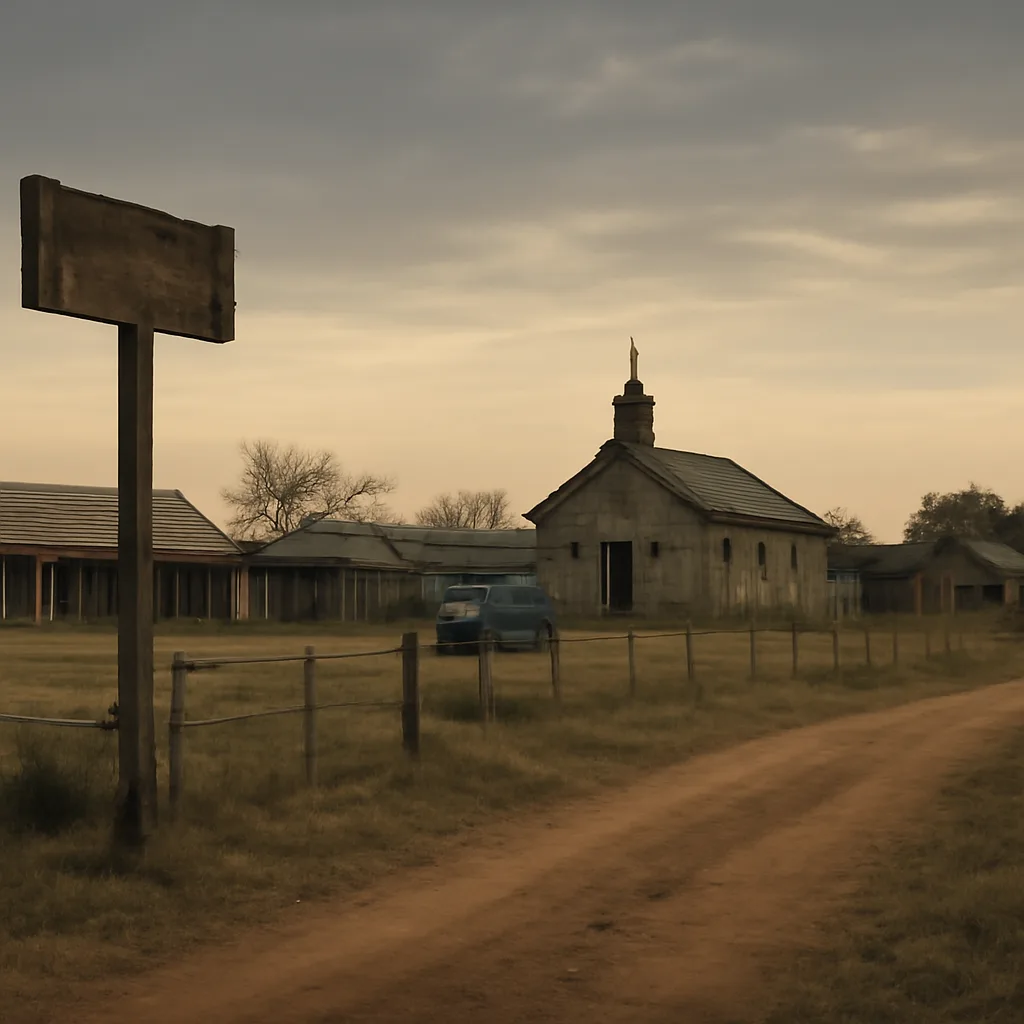
Rising Standoff: David Koresh and Branch Davidians Clash with Authorities
On June 15, 1992, tensions between David Koresh-led Branch Davidians near Waco, Texas and federal and local authorities escalated amid investigations into firearms violations and allegations of misconduct, marking a phase of mounting mistrust that presaged later confrontations.
Background
The Branch Davidians were a religious movement based at a compound near Waco, Texas, led by Vernon Howell, later known as David Koresh, from the mid-1980s into the 1990s. The group lived at Mount Carmel Center and combined apocalyptic religious teachings with communal living. Throughout Koresh’s leadership, authorities and neighbors reported concerns about weapons stockpiling, child welfare, and claims of Koresh’s sexual relationships with underage followers. Some of these allegations were disputed within and outside the community.
Events of June 15, 1992
By mid-June 1992, investigators from federal and state agencies were actively collecting information about the Branch Davidians. On June 15, 1992, interactions between authorities and the group intensified as law enforcement followed leads related to alleged illegal weapons possession and other suspected violations. The day did not produce a single dramatic incident like raids or arrests on site, but it represented part of a protracted period of inquiries, surveillance, and legal preparations that increased mutual suspicion.
Authorities sought to corroborate witness statements and gather evidence that could support search warrants or indictments. The Branch Davidians, informed by prior encounters and persistent scrutiny, responded with heightened defensive postures and limited cooperation with investigators. Local media coverage and community rumors contributed to a tense atmosphere around the Mount Carmel property.
Significance and Context
June 15, 1992 sits within a broader timeline of escalating friction between Koresh’s group and law enforcement that culminated in the 1993 Bureau of Alcohol, Tobacco and Firearms (ATF) raid and the subsequent 51-day standoff with the FBI. Actions taken during 1992—investigative steps, witness interviews, and legal filings—helped shape federal planning and the narrative that influenced both agencies and the Branch Davidians. At the same time, contested accounts and disputed allegations meant that much about internal life at Mount Carmel remained legally and historically complex.
Historical assessments note that months of surveillance and legal maneuvering contributed to a cycle in which both sides anticipated confrontation. Critics of law enforcement planning have pointed to failures of communication and cultural misunderstanding, while supporters of the investigations emphasize credible allegations concerning weapon stockpiles and possible criminal conduct. Historians and official reviews after the 1993 events examine these earlier episodes—including June 1992—as part of an incremental escalation rather than an isolated turning point.
Limitations and Sources
This account synthesizes established historical facts about the Branch Davidians, David Koresh, and law enforcement activity in 1992 without asserting unverified details. Specific actions on any single day in 1992 can be difficult to reconstruct with precision from public records alone; contemporaneous media, court filings, and later investigations provide the primary documentary basis. Where eyewitness or participant testimony conflicts, those disputes are noted in secondary analyses and official reports.
Aftermath
The investigations and mounting tensions of 1992 set the stage for intensified federal attention in 1993. The ATF executed a search warrant at the Mount Carmel Center on February 28, 1993, which led to an armed clash and the extended siege that ended in a February 1993 fire and many deaths. Scholars and investigators continue to examine the sequence of events, including the cumulative effect of the 1992 inquiries, to understand how early investigative choices and interactions contributed to the later tragedy.