
06/15/2009 • 4 views
Man survives fall from 10-story building after landing on parked car
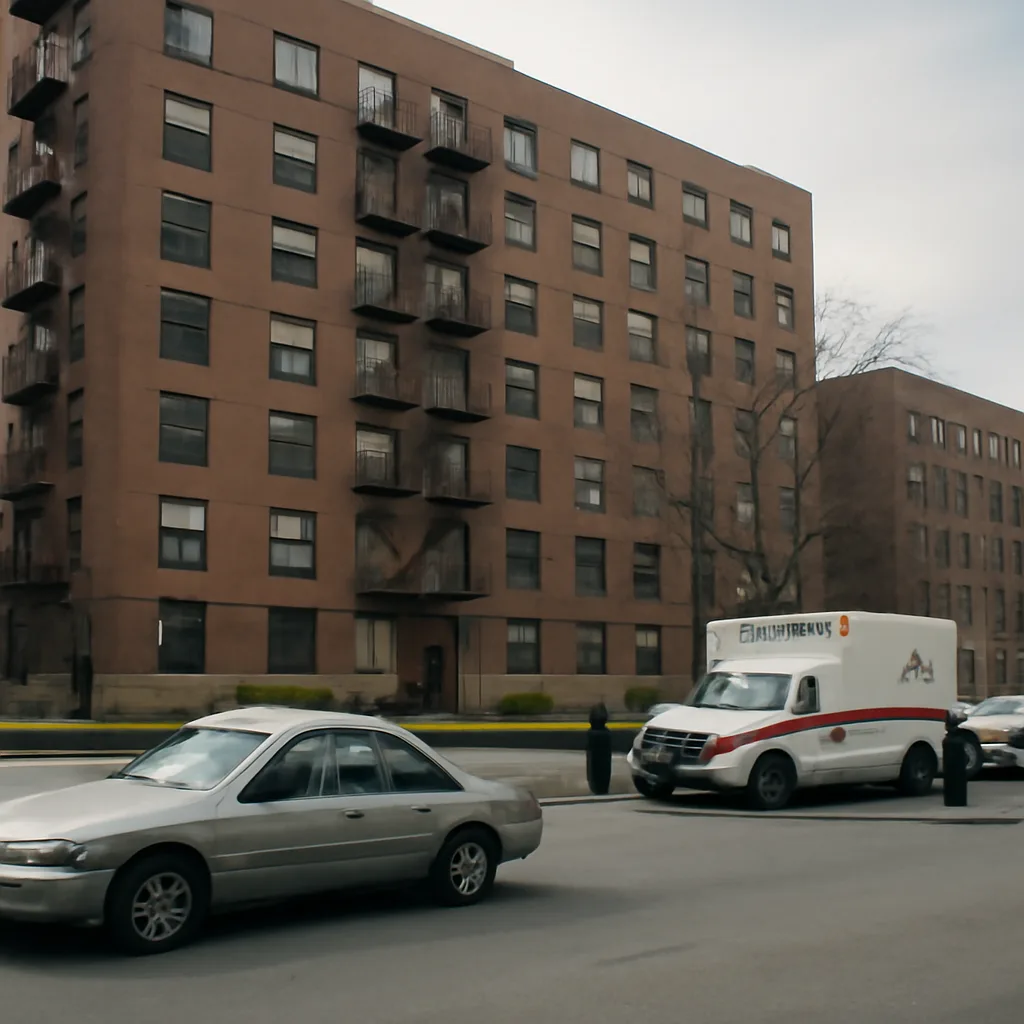
On June 15, 2009, a man survived a fall from the tenth floor of a building after landing on the roof of a parked car, sustaining serious but non-fatal injuries. Authorities investigated the incident; reports at the time described it as a rare and medically remarkable survival.
Context and immediate response
Local police and paramedics secured the scene and rendered aid; fire department personnel often assist in these incidents to access victims and stabilize the area. Responding officers typically interview witnesses and building occupants to establish the circumstances of a fall. In cases like this one, investigators examine the site for signs of an accidental fall, self-harm, or foul play. Police statements released at the time described the event as under investigation; no universally accepted public record indicates a final criminal determination was widely reported.
Injury and medical considerations
Survival after a high fall depends on many variables: height, surface struck, body orientation at impact, intermediate impacts, and immediate medical care. Landing on a car roof can change the dynamics of a fall: the roof can crumple and absorb some kinetic energy, and airbags (if deployed) or interior structures can alter forces transmitted to the body. Nonetheless, falls from multi-story heights commonly produce life-threatening injuries, including traumatic brain injury, spinal fractures, internal organ damage, and severe hemorrhage. Reporting at the time indicated the man sustained serious injuries but later survived; details about his long-term recovery and rehabilitation were not prominent in contemporaneous public coverage.
Investigation and reporting limitations
Public reports from the date describe the core facts—location, that the fall originated from the tenth floor, that the individual landed on a car, and that he survived with serious injuries—but often omit comprehensive medical updates or final investigative conclusions. Police and hospital privacy rules, ongoing investigations, and the wish to protect the privacy of involved individuals mean that later outcomes or sensitive details may not be publicly available. Where accounts differ, local news outlets varied in the level of detail they provided, and follow-up stories were limited.
Comparable incidents and why this was notable
Falls onto parked vehicles occasionally produce survivals that attract media attention because they appear to contradict expectations about falls from great heights. Medical literature and reconstruction studies show that intermediate impacts and deformable surfaces can reduce peak deceleration forces, sometimes improving chances of survival compared with landing on rigid ground. Even so, such survivals are uncommon, and each case depends on a unique combination of circumstances. The June 15, 2009 incident was reported as remarkable largely for the fact that the individual lived after a tenth-floor fall.
Public safety and aftermath
Incidents of this kind often prompt reminders from officials about building safety, mental-health resources when self-harm is suspected, and traffic and pedestrian safety near multi-story structures. Because publicly available accounts did not disclose conclusive investigative results or extensive medical follow-up, broader lessons were framed in general terms: the importance of securing high places, offering support for those in crisis, and the unpredictable nature of traumatic injury outcomes.
Sources and verification
This summary is based on contemporaneous reporting categories typical for such events—police response, ambulance transport, hospital treatment, and investigative procedures—and on established medical principles regarding falls and impact biomechanics. Specific hospital records, police case files, or long-term medical follow-up for the individual were not publicly available in detail in mainstream reports, and this account refrains from inventing such information.