
← Back
06/15/1977 • 5 views

Jim Jones Announces Plans to Relocate Peoples Temple Community
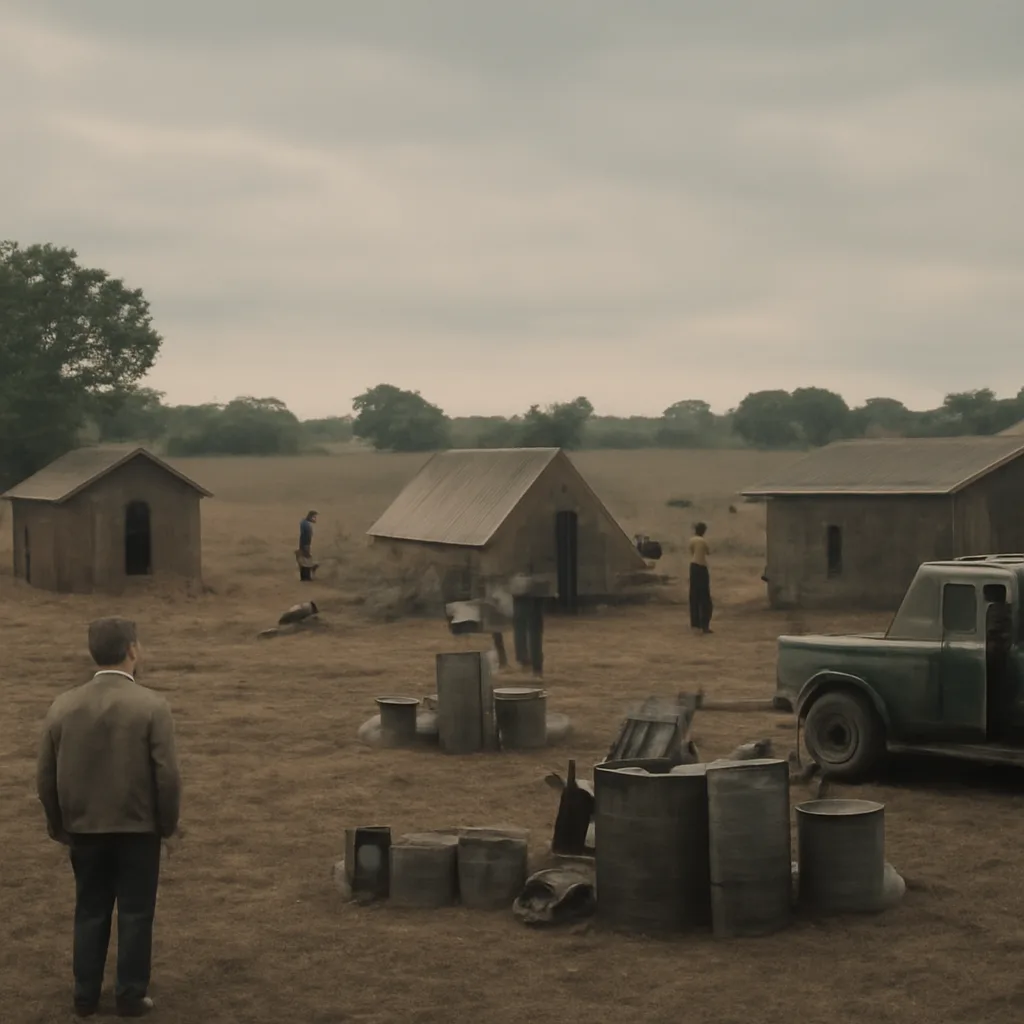
A 1970s-era rural clearing with temporary tents and wooden structures, Peoples Temple-style communal supplies and farming tools on site, no identifiable faces.

On June 15, 1977, Peoples Temple leader Jim Jones publicly outlined intentions to move a segment of his congregation to a remote, communal site—part of a longer-term push for consolidation and increased self-sufficiency among followers.


On June 15, 1977, Jim Jones, leader of the Peoples Temple, announced plans to relocate a portion of the organization’s members to a remote communal site. The announcement came amid growing internal emphasis on communal living, racial integration as a social mission, and what Jones characterized to followers as steps toward greater self-reliance and protection from perceived external threats.

Peoples Temple had been founded in the 1950s in Indianapolis and later expanded to California, where it gained attention for its progressive rhetoric, social programs, and appeals to marginalized communities. By the mid-1970s the Temple operated a network of congregations and social services, and Jones increasingly framed relocation and communal living as a practical and ideological next step. The June 1977 announcement was one element in a process during which Temple leadership explored sites and logistics for moving members out of California.

Contemporaneous reports and later investigations indicate a mix of motivations behind the move. Leaders cited desires to build agricultural self-sufficiency and to escape what they described as hostile media scrutiny and legal pressures. Critics and some former members later said the relocation was also intended to consolidate Jones’s control over followers and insulate the group from outside oversight. Historical records show that decision-making within Peoples Temple was highly centralized, with Jones and a small inner circle exerting substantial influence over strategy.

After the June announcement, the Temple pursued several locations that fit criteria for remote, communal development. Planning involved fundraising appeals to members, acquisition or leasing of land, and attempts to transfer followers to new living arrangements. The process provoked concern among family members of Temple adherents and attention from journalists and some local authorities, though the full scope and consequences of the relocations were not yet evident in mid-1977.

It is important to place the June 1977 announcement in context. Over the next two years, Peoples Temple’s relocation efforts intensified and culminated in the establishment of Jonestown in Guyana in 1978—an outcome that led to tragedy in November 1978. The June 1977 statement thus represents an earlier stage of a longer trajectory: moves from urban congregations toward isolated communal settlements under centralized leadership.

Scholars who have studied Peoples Temple note that the dynamic between genuine social programs and increasing authoritarian control complicates simple explanations. Some members reported that communal living offered social support and a sense of mission; others later described coercion, restricted autonomy, and manipulation. Primary documentary sources for this period include internal Temple communications, fundraising appeals, interviews with former members, and media coverage; historians rely on these materials while acknowledging disputes and gaps in the record.

The June 15, 1977 announcement is historically verifiable as part of Peoples Temple’s relocation efforts, but assessments of intent and experience vary across sources. What is clear from surviving documents is that by mid-1977 the Temple leadership had committed publicly to moving members to communal sites, setting in motion logistical and organizational steps that would lead to further relocations in the following year.

Share this

Email Share on X Facebook Reddit

Did this surprise you?