
← Back
11/20/2000 • 6 views

Nightclub Blaze Kills Dozens at Ohio Rock Venue in 2000
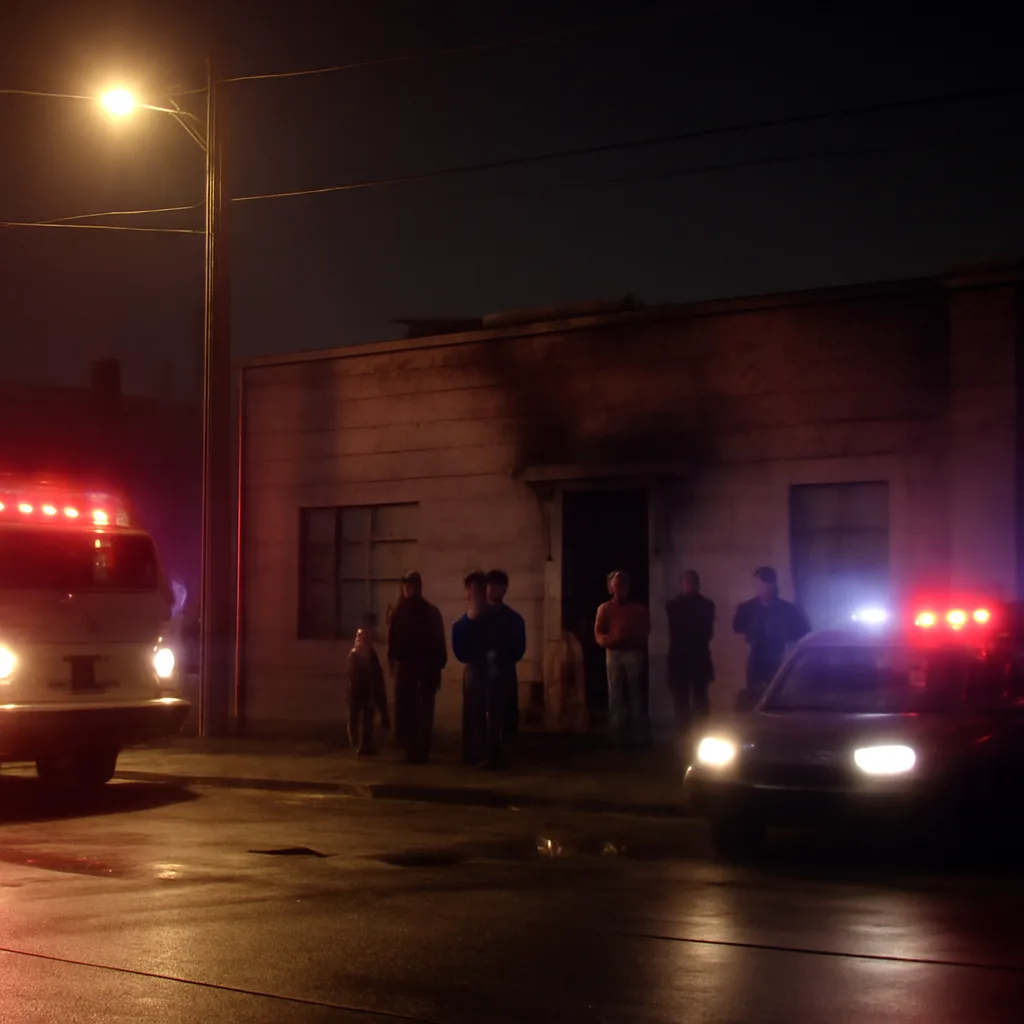
Exterior of a small converted nightclub building at night with emergency vehicles and flashing lights at the scene; crowd control barriers and responders visible.

On November 20, 2000, a fast‑moving fire tore through the State Club in the northeastern Ohio town of Youngstown during a rock concert, killing dozens and injuring many more in one of the region's deadliest nightclub fires.


On the night of November 20, 2000, a fire broke out at the State Club, a small rock venue in Youngstown, Ohio, during a concert. The blaze spread rapidly through the single‑story building, overwhelming exits and attendees. Emergency responders arrived but were confronted with thick smoke, high heat and a chaotic scene; many victims were found near doorways and in the main performance area.

The State Club was a converted commercial space operating as a local music venue. Investigators later examined building layout, occupancy levels and egress routes as part of determining how the fire caused such a high number of casualties. Early reports and subsequent inquiries pointed to inadequate exit capacity, crowding, and flammable interior finishes as factors that contributed to the speed and lethality of the blaze. Local media coverage described frantic attempts by patrons to escape through narrow corridors and stairways before some exits became impassable.

Fire officials worked with local law enforcement and fire investigators to determine origin and cause. While definitive attribution of a single ignition source was reported in some later accounts, other aspects—such as exact casualty counts, details of building code compliance, and the sequence of structural failures—were clarified over time through official reports, court records and news archives. Criminal charges and civil litigation followed in some instances in the broader aftermath of similar nightclub fires in the United States, and authorities scrutinized venue safety practices statewide.

The human toll was immediate and severe: dozens were killed and many more were injured. Survivors recounted scenes of smoke, confusion and attempts to assist others amid failing lighting and locked or obstructed exits in some sections. Hospitals in the region received multiple burn and smoke‑inhalation victims, and long‑term recovery needs included physical rehabilitation and counseling for survivors and families.

In the years after the Youngstown fire, local and state officials reviewed fire safety enforcement, licensing of music venues and inspection practices. The tragedy contributed to renewed calls for stricter adherence to occupancy limits, unobstructed exit routes, flame‑resistant interior materials and working emergency lighting. Nationally, the late 20th and early 21st centuries saw several high‑profile nightclub fires that prompted legislative and regulatory changes aimed at preventing similar disasters.

The 2000 State Club fire remains a somber chapter in Ohio’s history of public‑assembly safety incidents. Memorials and remembrances from community groups and survivors have marked anniversaries, emphasizing lessons learned about building safety and emergency preparedness. Where official investigations produced conclusive findings, those reports informed changes in code enforcement and enforcement practices; where questions remained, they underscored continuing challenges in ensuring that small entertainment venues meet life‑safety standards.

This summary is based on contemporaneous news reporting and subsequent public records concerning the November 20, 2000, nightclub fire in Youngstown, Ohio. Specific investigative and legal outcomes evolved over time; readers seeking detailed official findings should consult fire marshal reports, court documents and archived local news coverage for the full record.

Share this

Email Share on X Facebook Reddit

Did this surprise you?